Urgent care near me
 Key points
- The two spiders responsible for most clinically significant bites in the U.S. are the black widow and the brown recluse — most other spider bites are mild and self-limited.
- First aid for any spider bite: wash with soap and water, apply ice, elevate the limb, and take an OTC pain reliever. Do not attempt to remove venom.
- For non-venomous bites with itching or irritation, home remedies like ice, aloe vera, colloidal oatmeal, and baking soda paste can provide relief.
- Seek immediate medical care for muscle cramping, abdominal pain, spreading skin lesion, difficulty breathing, or hives — these may indicate envenomation or allergic reaction.
- If it's been more than 10 years since your last tetanus booster and the skin was broken, discuss getting a booster with a healthcare provider after a spider bite.
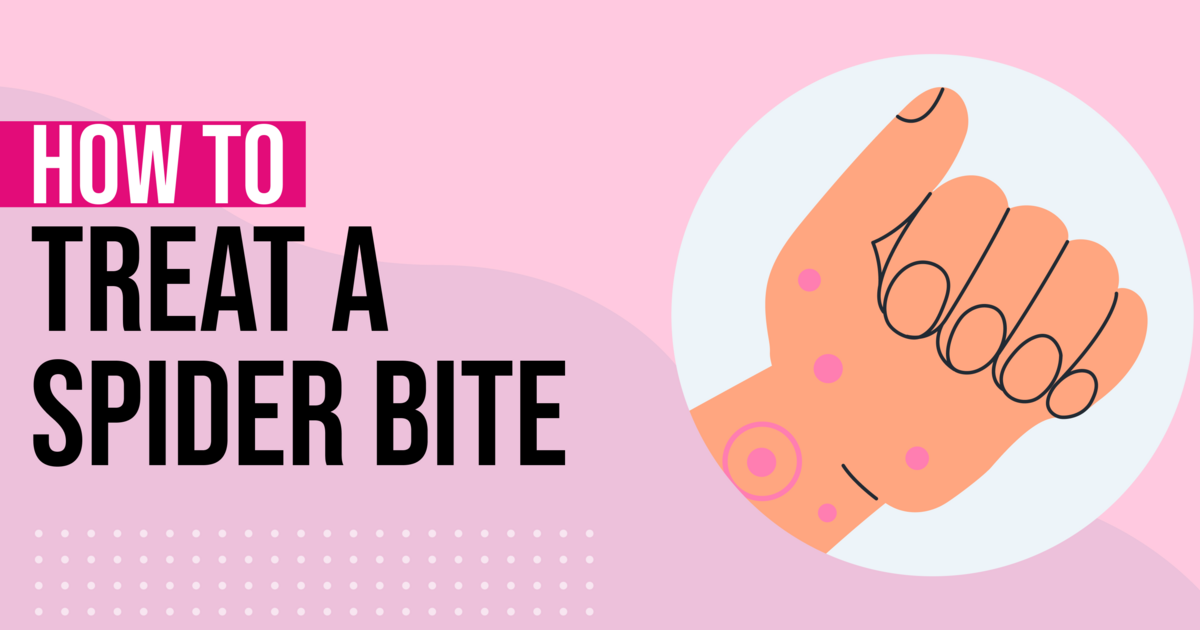
Spider bites can cause a range of symptoms, from mild irritation to serious medical emergencies. Most bites are minor and heal on their own with simple home care. Knowing how to treat a spider bite, which symptoms to watch for, and when to seek medical attention can help you respond confidently.
Common venomous spiders in the United States
The two spiders responsible for the vast majority of clinically significant bites in the United States are the black widow and the brown recluse, according to the CDC.1
The black widow is a shiny black spider with a distinctive red hourglass-shaped marking on its abdomen. Its venom is a neurotoxin that can cause muscle cramps, pain, and in rare cases, more serious systemic effects.
The brown recluse is light tan to brown with a darker violin-shaped marking on its back. Its venom can cause tissue damage at the bite site, sometimes leading to a slow-healing wound called a necrotic lesion.
Outside of these two, the vast majority of spider bites are from non-venomous species and produce only local, self-limited reactions.2
Symptoms of a spider bite
Common symptoms of a non-venomous spider bite include, according to the Mayo Clinic:2
- Redness and swelling around the bite site
- Itching or burning sensation
- Pain or tenderness at the site
- Small blisters or bumps that may break open and form a scab
Bites from venomous spiders — particularly black widows or brown recluses — can cause more serious symptoms, including muscle cramps, abdominal pain, fever, chills, nausea, vomiting, and in brown recluse bites, an expanding skin lesion that darkens over days.3
First aid for spider bites
For most spider bites, the following steps are recommended by the CDC and Cleveland Clinic:1,3
- Stay calm and, if it can be done safely, note or photograph the spider for identification
- Wash the bite area thoroughly with soap and water
- Apply a clean cloth dampened with cold water, or an ice pack wrapped in a cloth, to reduce swelling
- Elevate the affected limb if possible
- Take an over-the-counter pain reliever such as ibuprofen or acetaminophen to manage pain
- Do not attempt to cut, squeeze, or suck out venom
- Seek medical attention immediately if there is any chance the bite was from a venomous spider
An over-the-counter oral antihistamine or topical calamine lotion can help if the bite is itchy.2
9 soothing remedies for non-venomous spider bites
For mild, non-venomous bites, these home remedies may help relieve itching and discomfort while the site heals:
1. Ice pack
Applying ice wrapped in a cloth to the bite reduces swelling and numbs local pain. Apply for 10–15 minutes at a time during the first 24 hours.3
2. Baking soda paste
Mixing a small amount of baking soda with water to form a paste and applying it to the bite may help relieve itching and reduce local inflammation for minor skin irritations.
3. Aloe vera
Aloe vera gel has well-documented soothing and anti-inflammatory properties. Apply fresh gel from an aloe leaf or an over-the-counter aloe product to the bite site to ease irritation.4
4. Witch hazel
Witch hazel is a natural astringent that may help reduce itching and inflammation. Apply with a cotton ball and gently dab onto the bite area.
5. Calendula cream
Calendula, derived from marigold flowers, is used topically for its soothing properties. Calendula cream is available at natural food stores and some pharmacies.
6. Cooled tea bags
Black and green teas contain tannins that may help reduce local inflammation. Moisten a cooled tea bag and place it gently on the bite site for 10–15 minutes.
7. Honey
Honey has antibacterial properties and may support wound healing for minor skin injuries. Apply a small amount to the bite and cover with a clean bandage.
8. Colloidal oatmeal bath
Adding colloidal oatmeal to warm bathwater soothes irritated skin and can relieve itching from bites on the body or limbs.
9. Epsom salt soak
Dissolving Epsom salt in warm water and soaking the affected area for 15–20 minutes may help reduce minor swelling and discomfort.
Consider getting a tetanus booster
If you haven't had a tetanus booster in the past 10 years, a spider bite is a reason to discuss one with a healthcare provider, particularly if the skin was broken. The CDC recommends tetanus boosters every 10 years for adults.5
When to seek medical care
Seek care at urgent care or an emergency room immediately if you experience any of the following after a spider bite, according to the Cleveland Clinic:3
- Muscle cramping or severe pain spreading beyond the bite site
- Abdominal pain, nausea, or vomiting
- Fever or chills
- Extreme fatigue (especially in children)
- Dark, cola-colored urine
- Difficulty breathing or shortness of breath
- Hives or widespread itching (signs of an allergic reaction)
- A bite wound that is enlarging, turning dark, or not healing after several days
When in doubt, it is always better to be evaluated. Venomous spider bites may require antivenom, prescription medication, or wound care that cannot be managed at home. Urgent care is appropriate for suspected non-venomous bites with significant local symptoms, tetanus booster needs, or wound care. Go to the ER for symptoms of systemic reaction or suspected black widow or brown recluse envenomation.
How to prevent spider bites
To reduce your risk of spider bites, the CDC recommends:1
- Shake out shoes, gloves, and clothing that have been stored, especially in garages, sheds, or closets
- Wear long sleeves, pants, and gloves when working in areas where spiders may hide (woodpiles, basements, attics)
- Keep clutter to a minimum in storage areas — spiders prefer undisturbed spaces
- Seal cracks and gaps in your home's exterior to reduce spider entry points
- Don't leave shoes, gloves, or toys outside overnight
Frequently asked questions
How do I know if a spider bit me?
Spider bites often appear as a red, swollen bump with tenderness or itching at the site. You may not feel the bite when it happens. If you develop two small puncture marks, expanding redness, or more severe symptoms such as cramping or nausea, seek medical evaluation to rule out a venomous bite.
What is the fastest way to treat a spider bite at home?
Wash the area with soap and water, apply an ice pack wrapped in a cloth for 10–15 minutes to reduce swelling, and take an over-the-counter pain reliever such as ibuprofen or acetaminophen. An antihistamine can help with itching. Keep the area clean and watch for signs of worsening.
What are the symptoms of a venomous spider bite?
Symptoms of a venomous spider bite — from a black widow or brown recluse — can include severe muscle cramping, abdominal pain, nausea, vomiting, fever, fatigue, and dark urine. Brown recluse bites may cause an enlarging, darkening skin lesion. These symptoms require immediate medical attention.
When should I go to urgent care or the ER for a spider bite?
Go to urgent care for wound care, tetanus booster, or significant local symptoms. Go to the ER immediately if you have difficulty breathing, hives, muscle cramps spreading beyond the bite site, severe abdominal pain, or if you believe you were bitten by a black widow or brown recluse.
Does a spider bite need antibiotics?
Most spider bites do not require antibiotics. However, if a bite wound shows signs of secondary bacterial infection — increasing redness, warmth, pus, or red streaks — a provider may prescribe them. Brown recluse bites with tissue damage may also need medical wound management.
How can I tell if a spider bite is getting worse?
Warning signs that a bite is worsening include expanding redness or darkening at the site, a blister that opens into a wound that doesn't heal, increasing pain, fever, or the onset of systemic symptoms like cramping, nausea, or difficulty breathing. Seek care promptly if any of these develop.

How we reviewed this article
Medically reviewed
View this article's sources and history, and read more about Solv's Content Mission Statement, editorial process, and editorial team.
5 sources
Solv has strict sourcing guidelines and relies on peer-reviewed studies, academic research institutions, and medical associations. We avoid using tertiary references.
- Centers for Disease Control and Prevention. Venomous spiders. cdc.gov. Updated 2023. Accessed May 2026.
- Mayo Clinic. Spider bites: first aid. mayoclinic.org. Accessed May 2026.
- Cleveland Clinic. How to treat spider bites. health.clevelandclinic.org. Accessed May 2026.
- Surjushe A, Vasani R, Saple DG. Aloe vera: a short review. Indian Journal of Dermatology. 2008;53(4):163–166.
- Centers for Disease Control and Prevention. Tetanus vaccination. cdc.gov. Updated 2024. Accessed May 2026.
Solv’s team of medical writers and experts review and update our articles when new information becomes available.
January 19 2024
Written by Solv Editorial Team
Medically reviewed by: Dr. Rob Rohatsch, MD
May 20 2026
Edited by Solv Editorial Team
May 23 2026
Edited by Solv Editorial Team
June 03 2026
Edited by Solv Editorial Team