Urgent care near me
 Key points
- Dress kids in bright, flame-resistant costumes with reflectors; use flashlights for visibility.
- Avoid long costumes and masks; test face paints for allergies.
- Check candy for allergens, choking hazards, and tampering before eating.
- Use soft, safe costume props; never carry real weapons.
- Trick-or-treat in groups, stay on sidewalks, and know urgent care options for injuries.
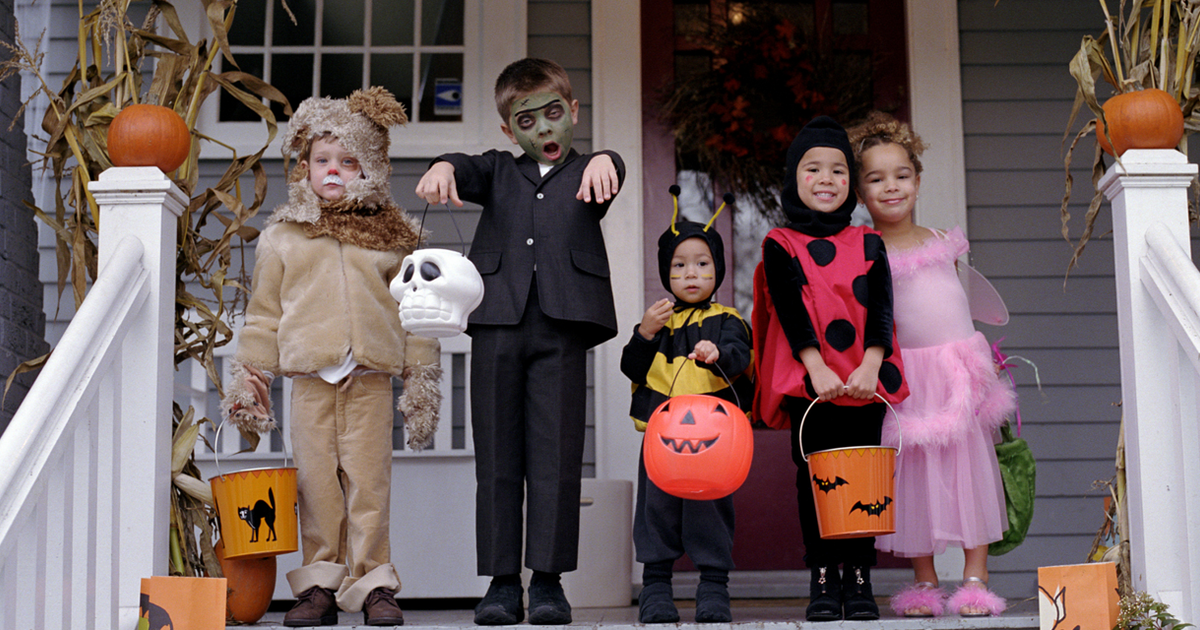
Halloween is one of the most exciting nights of the year for kids and families alike. It’s a time for spooky costumes, late-night sugar rushes, and memories made walking the neighborhood with friends. But as much fun as it is, Halloween also comes with safety risks — from tripping hazards and food allergies to road traffic and stranger danger.
Whether you’re a seasoned parent or taking your toddler trick-or-treating for the first time, these 12 essential Halloween safety tips will help you keep the night both festive and safe.
1. Make your child visible with reflective tape and flashlights
Even with street lights, porch lights, and glow-in-the-dark costumes, visibility is one of the biggest dangers during Halloween. The American Academy of Pediatrics (AAP) recommends that children wear bright colors or costumes with reflective elements. You can also apply reflective tape or stickers to costumes, treat bags, strollers, and shoes.
In addition to reflectors, equip your child with a small flashlight, glow stick necklace, or a wearable LED clip light. Many stores carry Halloween-themed safety lights that kids will love to wear.
Tip: Remind children not to shine flashlights into people’s eyes or into oncoming traffic.
2. Choose sensible, safe costumes
While elaborate or spooky costumes are part of the fun, they shouldn’t come at the cost of safety. When selecting or creating a costume:
-
Avoid long, trailing fabric that can cause tripping or get caught on steps.
-
Choose well-fitting shoes, even if they don’t match the costume perfectly.
-
Avoid masks that block vision or impair breathing. Opt for face paint when possible.
-
Make sure the costume is made from flame-resistant materials, especially if candles or fire pits are in use.
Pro parent tip: If your child insists on a floor-length costume (like a princess gown or vampire cape), use temporary hem tape to shorten it or tie it up with decorative ribbon.
3. Test face paints and makeup ahead of time
Face paint is a safer alternative to masks, but not all paints are created equal. Some contain ingredients that may trigger allergic reactions, especially in children with sensitive skin.
Before Halloween night:
-
Test face paint on a small area of your child’s wrist or cheek 24 hours in advance.
-
Look for products labeled as non-toxic, hypoallergenic, and FDA-approved for cosmetic use.
-
Avoid painting near the eyes or mouth.
If your child develops a rash, swelling, or itching after applying paint, remove it immediately and consult a doctor. Many urgent care clinics treat mild allergic reactions and can provide care for more serious symptoms if needed.
4. Accessorize safely
Accessories like swords, wands, knives, pitchforks, or other costume props should always be soft, flexible, and made from foam or rubber. Never allow a child to carry anything made of wood, metal, or glass.
Additionally:
-
Avoid sharp-edged costume jewelry or masks with rough plastic.
-
If using fake blood or makeup, confirm it’s safe for children and washes off easily.
Avoid real or antique props — especially anything that resembles an actual weapon. They can be dangerous, frightening to others, or even mistaken for real weapons by law enforcement.
5. Trick-or-treat in safe, familiar neighborhoods
Staying local is one of the best ways to keep Halloween safe. Choose well-lit neighborhoods with sidewalks and crosswalks, and preferably ones you’re familiar with. If visiting friends or family, stick to trusted routes and avoid shortcuts through alleys or unlit areas.
Additional neighborhood safety tips:
-
Always walk on sidewalks. If there are no sidewalks, walk facing traffic.
-
Use marked crosswalks and look both ways before crossing any street.
-
Never cut across yards or driveways, which may have hidden obstacles or unfamiliar pets.
6. Stay in groups and set clear rules
If your child is old enough to trick-or-treat without a parent (usually age 12+), make sure they:
-
Travel in a group of at least 3–4 children.
-
Carry a fully charged phone with location sharing turned on.
-
Stick to a planned route and check in at set times.
-
Never enter a stranger’s home or vehicle for any reason.
Establish a clear curfew and remind them to follow basic pedestrian rules. Many families find it helpful to use a family tracking app like Life360 on Halloween night.
7. Inspect candy before eating it
Before letting your kids dig into their haul, take a few minutes to examine every treat:
-
Discard anything that’s open, torn, homemade, or unwrapped (unless it’s from a trusted neighbor or friend).
-
Watch for choking hazards like hard candies, gum, or chewy candies in toddlers’ bags.
-
Look for allergens like peanuts, tree nuts, dairy, or gluten if your child has food allergies.
Be especially cautious with homemade treats, baked goods, or loose candy. If your child has a severe allergy and eats something they shouldn’t, head to an urgent care center or emergency room immediately, especially if symptoms like swelling, hives, or difficulty breathing occur.
8. Be mindful of food allergies and sensitivities
One in 13 children in the U.S. has a food allergy. Many common Halloween candies contain allergens, including:
-
Peanuts and tree nuts (Snickers, Reese’s, Almond Joy)
-
Milk and dairy (chocolate bars, caramel candies)
-
Gluten and wheat (Kit Kats, Twix)
-
Soy (often present in chocolate)
To promote allergy-safe trick-or-treating, consider participating in the Teal Pumpkin Project, which encourages offering non-food treats like stickers, pencils, or glow sticks. Place a teal pumpkin outside your door to indicate that you have allergy-friendly options available.
9. Keep pets indoors and calm
Halloween can be stressful for pets — the doorbell rings repeatedly, people are in strange costumes, and there’s a lot of activity outside. To prevent bites or escapes:
-
Keep pets secured in a quiet room away from the front door.
-
Avoid putting costumes on pets unless they tolerate them well.
-
Remind children not to approach unfamiliar animals while trick-or-treating.
Veterinary clinics report spikes in pet-related incidents during holidays, including bites and animal anxiety. Keeping pets calm also keeps kids safe.
10. Avoid candles and open flames
Decorative candles, jack-o’-lanterns, and fire pits are Halloween staples — but they’re also fire hazards. Kids in long costumes or capes can easily brush against flames without noticing.
Safer alternatives include:
-
LED tea lights for pumpkins
-
Battery-operated lanterns
-
Glow sticks or fairy lights
If you do use candles outside, keep them on a stable surface and far from walkways or decorations.
11. Know when and where to seek medical help
Even with the best safety precautions, accidents happen. Common Halloween injuries treated at urgent care centers include:
-
Twisted ankles or sprained wrists from falls
-
Skin reactions from costume makeup or adhesives
-
Small burns from candles or heated props
-
Allergic reactions from candy or face paint
-
Cuts or scrapes from accessories or sharp decorations
Know the location of your nearest urgent care or pediatric urgent care center, especially if you’re in an unfamiliar neighborhood. Many clinics offer extended hours on Halloween and weekends.
12. Talk with your children before you go out
Before heading out the door, have a quick safety huddle with your kids:
-
Review street-crossing rules and stranger danger.
-
Agree on what to do if they get separated or feel unsafe.
-
Set candy rules (how much they can eat and when).
-
Remind them not to enter homes or cars without permission.
If your kids are older, you can give them some autonomy while still emphasizing accountability and check-ins.
Final thoughts
Halloween should be a time of laughter, imagination, and sugar-fueled fun. By planning ahead and following these simple safety tips, you’ll reduce risk and maximize the joy — for your kids and yourself.
If you or your child experiences a minor injury, allergic reaction, or illness on Halloween night, consider visiting a nearby urgent care center. Many are open late and equipped to handle non-life-threatening concerns. For serious injuries or symptoms like trouble breathing, call 911 or head to the nearest emergency room.
Stay safe, stay spooky — and Happy Halloween!
Frequently asked questions
Should I use reflective materials on my child's costume?
Yes, using reflective tape on costumes and trick or treat bags can improve visibility and safety.
What should I consider when choosing my child's costume?
Choose a costume that is of appropriate length to prevent tripping or falls and avoid masks that block vision.
Are real weapons safe as costume accessories?
No, real weapons should never be used as costume accessories. Opt for soft and flexible props instead.
Should I check my child's candy bag?
Yes, you should examine every piece of candy for potential allergens and unsafe treats.
Is it safe to use face paints on my child?
It's best to test the paint on a small portion of their hand first to see how the skin reacts, as some children may be allergic to the ingredients.
What are some safety tips parents should discuss with their kids before going trick-or-treating?
Parents should discuss how to cross the street safely, the dangers of running at night, the importance of staying close to their supervisors, and the concept of stranger danger. It's important to ensure children know what to do if they feel threatened.
What should parents do if their child experiences a reaction to face paint?
If a child experiences a reaction to face paint, parents should seek the help of a family care physician who can recommend appropriate treatment.
What should parents do if their child suffers a serious injury while trick-or-treating?
If a child suffers a serious injury like a broken bone, they should be taken to an urgent care center for immediate medical attention.

How we reviewed this article
Medically reviewed
View this article's sources and history, and read more about Solv's Content Mission Statement, editorial process, and editorial team.
Solv’s team of medical writers and experts review and update our articles when new information becomes available.
October 11 2021
Written by Solv Editorial Team
Medically reviewed by: Dr. Rob Rohatsch, MD
October 27 2025
Edited by Solv Editorial Team
May 06 2026
Edited by Solv Editorial Team
May 23 2026
Edited by Solv Editorial Team
June 03 2026
Edited by Solv Editorial Team