Urgent care near me
 Key points
- Urgent care is a good option for mild to moderate E. coli symptoms like watery diarrhea, stomach cramps, nausea, and low-grade fever, especially when you need fluids, anti-nausea help, or a stool test.
- Most E. coli infections clear up on their own in about a week with rest and hydration, and antibiotics are usually not recommended because they can raise the risk of serious complications.
- Go to the ER instead of urgent care for bloody diarrhea, signs of severe dehydration, very little urination, confusion, or unexplained bruising, which can signal hemolytic uremic syndrome (HUS).
- Symptoms usually start 3 to 4 days after eating contaminated food, often undercooked ground beef, raw produce, unpasteurized milk or juice, or contaminated water.
- Prevent E. coli by cooking ground beef to an internal temperature of 160 degrees F, washing hands thoroughly, separating raw meat from other foods, and refrigerating leftovers promptly.
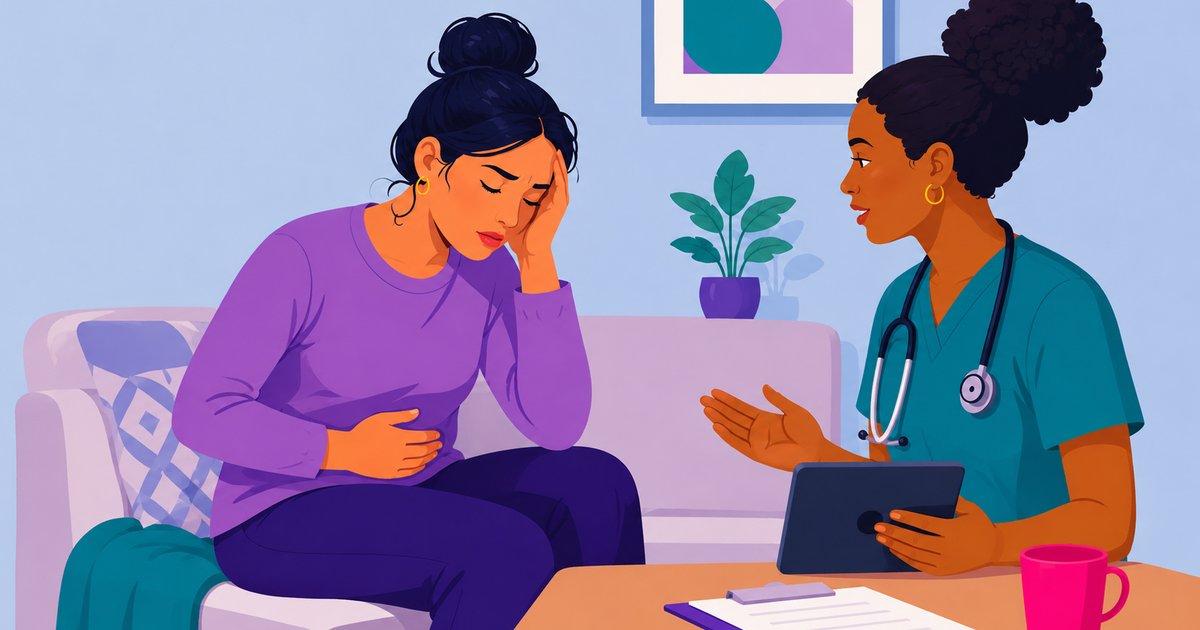
Yes, urgent care is an appropriate place to be evaluated for an E. coli infection in most cases, especially if your symptoms are mild to moderate. Urgent care providers can assess your hydration, order a stool test to confirm the diagnosis, give IV fluids if you're dehydrated, and help you decide whether you need additional care. However, if you have bloody diarrhea, severe dehydration, signs of kidney problems, or you're caring for a young child or older adult with concerning symptoms, the emergency room is the safer choice.1,2
Below is what to know about E. coli infections, how they're treated, and how to tell which level of care fits your situation.
What is an E. coli infection?
Escherichia coli (E. coli) is a large group of bacteria. Most strains live harmlessly in the intestines of people and animals, but a few cause illness. The strain most associated with serious foodborne illness is Shiga toxin-producing E. coli (STEC), which includes E. coli O157:H7. STEC is the strain that can cause bloody diarrhea and, in a small percentage of cases, a dangerous complication called hemolytic uremic syndrome (HUS).1,3
People typically get sick after eating contaminated food (most commonly undercooked ground beef, raw leafy greens, sprouts, or unpasteurized milk and juice), drinking contaminated water, swallowing water while swimming, or coming into contact with infected animals or people who haven't washed their hands well.1,4
What are the symptoms of E. coli?
Symptoms of an E. coli infection usually appear 3 to 4 days after exposure, though they can begin as early as 1 day or as late as 10 days after.1 Common symptoms include:1,2
- Severe stomach cramps
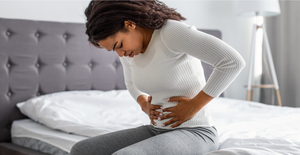
- Diarrhea, which is often watery at first and may become bloody after a couple of days
- Nausea and vomiting
- Low-grade fever (usually under 101 degrees F)
- Fatigue
Most healthy adults recover within about a week. Symptoms in young children, older adults, pregnant people, and anyone with a weakened immune system can be more severe and more likely to lead to complications.2
When can urgent care help with E. coli symptoms?
Urgent care is a practical option when you have ongoing diarrhea, cramps, vomiting, or low-grade fever and you want to be checked out without waiting days for a primary care appointment or sitting in the ER for hours. At urgent care, a provider can:
- Assess how dehydrated you are based on vital signs and a physical exam
- Order a stool test to identify E. coli or another cause
- Provide IV fluids and anti-nausea medication if needed
- Counsel you on what to eat and drink while you recover
- Help you decide whether further evaluation at an ER or follow-up with your primary care provider is needed
The NIDDK recommends seeing a healthcare provider if you aren't getting better after a couple of days, have a fever over 100 degrees F, or are vomiting so often you can't keep fluids down, all of which urgent care can handle.3
When should you go to the ER instead?
Some symptoms signal a complication that needs hospital-level care. Skip urgent care and head to the emergency room (or call 911) if you or someone you're caring for has any of the following:1,3,5
- Bloody diarrhea
- Severe abdominal pain
- Signs of severe dehydration: very little or no urination, dark urine, dizziness, rapid heartbeat, or sunken eyes
- Very pale skin or unexplained bruising or small red spots on the skin
- Confusion, extreme fatigue, or decreased alertness
- Persistent vomiting for more than 24 hours
- Symptoms in a baby, young child, older adult, pregnant person, or anyone with a weakened immune system who is getting worse rather than better
These symptoms can be early signs of hemolytic uremic syndrome (HUS), a serious complication that affects roughly 5 to 10 percent of people with STEC infections and can lead to kidney failure if not treated quickly.5
How is an E. coli infection treated?
For most people, treatment is supportive, which means managing symptoms while the body clears the infection on its own. That typically includes:1,2,3
- Hydration. Drinking water, broth, oral rehydration solutions, or other clear fluids. IV fluids may be needed if you're vomiting a lot or showing signs of dehydration.
- Rest. Most adults feel better within 5 to 7 days.
- Careful eating. Bland, easy-to-digest foods (toast, rice, bananas, applesauce) are often easiest to tolerate once you can keep food down.
Two things to avoid unless your provider specifically tells you otherwise:1,2
- Antibiotics. For STEC infections in particular, antibiotics may actually increase the risk of HUS and are generally not recommended.
- Anti-diarrheal medicines such as loperamide (Imodium). These can slow the elimination of toxin-producing bacteria and worsen the illness, especially with bloody diarrhea or a confirmed STEC infection.
Severe cases, particularly HUS, are treated in the hospital with IV fluids, electrolyte management, blood transfusions, and sometimes dialysis if the kidneys are affected.5
How long does it take to recover from E. coli?
Most healthy adults recover from an E. coli infection in about 5 to 7 days without specific treatment.2 You may have loose stools or feel run down for a little longer. If your symptoms aren't improving by day 3 or 4, are getting worse, or you develop bloody stool or signs of dehydration, get checked out promptly.
How can you prevent E. coli infections?
Most E. coli infections are preventable with consistent food handling and hygiene habits. The CDC recommends:4,6
- Cook ground beef to 160 degrees F internal temperature, measured with a food thermometer. Color is not a reliable indicator.
- Cook steaks and roasts to at least 145 degrees F and let them rest for 3 minutes.
- Wash hands thoroughly with soap and warm water before and after handling food, after using the bathroom, after changing diapers, and after contact with animals.
- Separate raw meat from produce and other foods. Use separate cutting boards.
- Wash produce well, and avoid unpasteurized milk, juice, and soft cheeses.
- Refrigerate perishable foods within 2 hours (1 hour if it's above 90 degrees F outside).
- Avoid swallowing water when swimming in lakes, pools, or water parks.
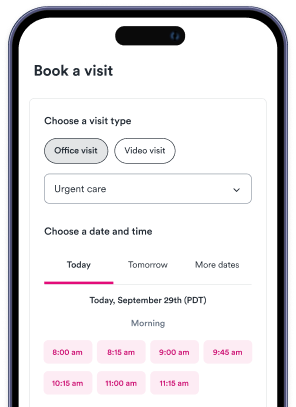
If you're experiencing symptoms of an E. coli infection and need to be seen today, Solv can help you find and book same-day urgent care near you. You can compare wait times, see prices, and reserve your spot online in just a few minutes.
Frequently asked questions
Is E. coli contagious from person to person?
Yes. E. coli can spread from an infected person to others, especially through the fecal-oral route. That means if someone with E. coli doesn't wash their hands well after using the bathroom or changing a diaper, they can pass bacteria to surfaces, food, or directly to others. Thorough handwashing with soap and warm water is the single most important step to prevent spread, particularly in households with young children or anyone preparing food for others.
How long are you contagious after an E. coli infection?
You can shed E. coli in your stool for one to three weeks after your symptoms go away, and sometimes longer in young children. Even when you feel completely better, careful handwashing after using the bathroom and before handling food remains important. Some workplaces (food service, daycare, healthcare) and schools may require negative stool tests before you return.
Can you cook E. coli out of contaminated meat?
Yes. E. coli is killed by heat. The CDC recommends cooking ground beef to an internal temperature of 160 degrees F, and whole cuts of beef to at least 145 degrees F with a 3-minute rest. Use a food thermometer rather than relying on color, since ground beef can look brown before it's reached a safe temperature. Cross-contamination from raw meat to other foods or surfaces is just as important to prevent.
Can pets give you an E. coli infection?
It's possible. Dogs, cats, livestock, and animals at petting zoos or farms can carry E. coli in their intestines without appearing sick, and you can pick it up by touching them, their environment, or their food and then your mouth. Wash your hands after contact with animals or animal areas, and keep raw pet food away from human food prep surfaces.
Do I need a stool test if I think I have E. coli?
Not always. Mild cases that resolve on their own usually don't need testing. A stool test is more important if you have bloody diarrhea, severe symptoms, symptoms that aren't improving, you're at higher risk for complications, or your provider suspects an outbreak. Urgent care can order the test and forward results to your primary care provider or the local health department if needed.
Can drinking water cause an E. coli infection?
Yes. Drinking untreated well water, swallowing water while swimming in lakes or pools, or drinking from a contaminated public supply during a boil-water advisory can all transmit E. coli. If you have a private well, the CDC recommends testing it at least once a year. When traveling or after a flood or water-system disruption, stick to bottled or boiled water until your local utility says it's safe.

How we reviewed this article
Medically reviewed
View this article's sources and history, and read more about Solv's Content Mission Statement, editorial process, and editorial team.
6 sources
Solv has strict sourcing guidelines and relies on peer-reviewed studies, academic research institutions, and medical associations. We avoid using tertiary references.
- Centers for Disease Control and Prevention. "Symptoms of E. coli Infection." CDC. .
- Mayo Clinic. "E. coli — Symptoms and causes." Mayo Clinic. .
- National Institute of Diabetes and Digestive and Kidney Diseases. "Symptoms & Causes of Food Poisoning." NIDDK. .
- Centers for Disease Control and Prevention. "How to Prevent E. coli Infection." CDC. .
- Cleveland Clinic. "E. coli: Infection, Causes, Symptoms & Treatment." Cleveland Clinic. .
- Centers for Disease Control and Prevention. "Cook Meat and Eggs to Safe Internal Temperatures." CDC. .
Solv’s team of medical writers and experts review and update our articles when new information becomes available.
June 14 2018
Written by Solv Editorial Team
Medically reviewed by: Dr. Rob Rohatsch, MD
May 19 2026
Edited by Solv Editorial Team
May 23 2026
Edited by Solv Editorial Team
May 25 2026
Edited by Solv Editorial Team
May 27 2026
Edited by Solv Editorial Team
May 28 2026
Edited by Solv Editorial Team
June 03 2026
Edited by Solv Editorial Team