Urgent care near me
 Key points
- Most food poisoning resolves at home in 1 to 3 days with rest, sips of fluids, and oral rehydration solutions like Pedialyte.
- Go to the ER for bloody diarrhea, fever above 102°F, vomiting that prevents you from keeping fluids down, or signs of severe dehydration.
- Call 911 for any neurologic symptoms — blurry vision, slurred speech, weakness, or trouble breathing — which can signal botulism or another life-threatening illness.
- Higher-risk groups (infants and young children, adults 65+, pregnant patients, and people with weakened immune systems) should seek medical care earlier rather than waiting it out.
- Urgent care is appropriate for moderate symptoms like persistent vomiting, mild dehydration, or symptoms lasting more than 48 hours when you're not in a high-risk group.

Most food poisoning resolves at home within 1 to 3 days. Go to the hospital — the ER specifically — if you have bloody diarrhea, a fever over 102°F, vomiting that keeps you from holding down fluids, signs of severe dehydration, or any neurologic symptoms like blurred vision, slurred speech, or muscle weakness.1,2 When in doubt, urgent care is a fast, lower-cost step before the ER for moderate symptoms.
What is food poisoning?
Food poisoning is illness caused by eating or drinking something contaminated with harmful bacteria, viruses, parasites, or toxins. Common culprits include norovirus, Salmonella, E. coli, Campylobacter, and Listeria. Symptoms typically start 30 minutes to a few days after exposure and include nausea, vomiting, diarrhea, abdominal cramps, fever, and sometimes headache or muscle aches.3
When should you go to the ER for food poisoning?
The CDC and Mayo Clinic identify five red-flag symptoms that mean it's time for emergency care:1,2
- Bloody diarrhea or stool that looks black or tarry
- Fever above 102°F (38.9°C)
- Vomiting that prevents you from keeping any liquid down for more than a few hours
- Signs of severe dehydration: very little urine output, dry mouth and throat, dizziness when standing, rapid heartbeat, or confusion
- Diarrhea that lasts more than 3 days
Call 911 — do not drive yourself — for blurred vision, drooping eyelids, slurred speech, difficulty swallowing, muscle weakness, or trouble breathing. These can signal botulism or another life-threatening illness.1
When is urgent care the right choice?
Urgent care is well suited for moderate cases that need medical attention but not emergency-level resources:
- Persistent vomiting or diarrhea lasting more than 24 to 48 hours
- Mild to moderate dehydration (dry mouth, fatigue, low urine output) without confusion or fainting
- Fever between 100.4°F and 101.9°F that is not improving
- Suspected food poisoning in someone who is otherwise healthy and not in a high-risk group
Urgent care providers can prescribe anti-nausea medication, give IV fluids in some clinics, order stool testing if needed, and refer you to the ER if your symptoms worsen.
Who is at higher risk and should seek care earlier?
Some groups are far more likely to develop severe complications and should not wait it out:3
- Infants and young children
- Adults 65 and older
- Pregnant patients (Listeria can cross the placenta)
- People with diabetes, chronic kidney or liver disease, HIV/AIDS, or active cancer treatment
- Anyone on immunosuppressing medication
For these patients, the threshold for medical evaluation is much lower — even moderate vomiting and diarrhea, or a fever over 100.4°F, is worth a call.
How can I treat food poisoning at home?
For mild cases without red flags, home care is straightforward:
- Hydrate aggressively. Sip oral rehydration solution like Pedialyte, Ceralyte, or Oralyte. Sports drinks have too much sugar and not enough electrolytes, and water alone does not replace sodium losses.4
- Rest the gut. Avoid solid food until vomiting stops, then advance slowly with bland items (bananas, rice, applesauce, toast).
- Skip dairy, caffeine, alcohol, and fatty foods for 24 to 48 hours after symptoms resolve.
- Use OTC medication carefully. Loperamide (Imodium) can help simple watery diarrhea, but should be avoided if you have bloody stools, high fever, or suspected bacterial infection.4
- Wash hands well with soap and water — alcohol-based sanitizer does not kill norovirus.
Signs of dehydration to watch for
Dehydration is the most common reason food poisoning sends people to the hospital. Watch for:1,2
- Going more than 8 hours without urinating, or very dark urine
- Dry mouth, dry tongue, no tears when crying (in children)
- Dizziness or lightheadedness when standing
- Rapid heartbeat or rapid breathing
- Sunken eyes or, in infants, a sunken soft spot on the head
- Confusion, extreme fatigue, or fainting
Severe dehydration is a medical emergency — head to the ER for IV fluids.
How do I avoid food poisoning?
The CDC's four core food safety rules cover most prevention:5
- Clean: wash hands and surfaces often
- Separate: keep raw meats away from ready-to-eat foods
- Cook: use a thermometer; chicken to 165°F, ground beef to 160°F, fish to 145°F
- Chill: refrigerate perishables within 2 hours (1 hour above 90°F)
Next steps
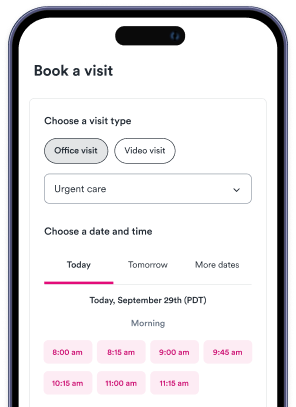
If you have any of the red-flag symptoms above, head to the ER. For moderate symptoms or if you're in a high-risk group, urgent care is a faster, lower-cost option. Solv lets you check wait times and book a same-day urgent care visit near you.
Frequently asked questions
How long does food poisoning usually last?
Most food poisoning lasts 12 to 48 hours, though some bacterial infections (Salmonella, Campylobacter) can take 4 to 7 days to fully clear. Diarrhea that lasts more than 3 days, fever above 102°F, or any blood in the stool warrants medical evaluation.
Should I take anti-diarrhea medicine for food poisoning?
For mild watery diarrhea without blood or fever, an over-the-counter product like loperamide can help with symptoms. Do not use anti-diarrhea medicine if you have bloody stool, high fever, or suspect a bacterial infection — slowing the gut can keep the pathogen in your body longer.
Is Gatorade good for food poisoning?
Sports drinks like Gatorade are not the best choice. They have too much sugar and not enough sodium and potassium for true rehydration. CDC recommends oral rehydration solutions such as Pedialyte, Ceralyte, or Oralyte, which are specifically formulated to replace lost fluids and electrolytes.
Can food poisoning be contagious?
The food itself is not contagious, but some pathogens that cause food poisoning (norovirus, certain strains of E. coli, Shigella) can spread person-to-person via contaminated hands or surfaces. Wash hands thoroughly with soap and water — hand sanitizer alone does not kill norovirus.
What is botulism and why is it dangerous?
Botulism is a rare but life-threatening foodborne illness caused by a toxin from Clostridium botulinum bacteria. It causes blurred vision, drooping eyelids, slurred speech, difficulty swallowing, muscle weakness, and trouble breathing. Anyone with these symptoms after eating canned, fermented, or improperly stored food should call 911.
When can I eat normally again after food poisoning?
Start with clear fluids and oral rehydration. Once vomiting stops, advance to bland foods (bananas, rice, applesauce, toast). Avoid dairy, fatty foods, caffeine, and alcohol for 24 to 48 hours after symptoms resolve. If you cannot keep food down after 24 hours of trying, see a clinician.

How we reviewed this article
Medically reviewed
View this article's sources and history, and read more about Solv's Content Mission Statement, editorial process, and editorial team.
6 sources
Solv has strict sourcing guidelines and relies on peer-reviewed studies, academic research institutions, and medical associations. We avoid using tertiary references.
- Centers for Disease Control and Prevention. Symptoms of Food Poisoning.
- Mayo Clinic. Food Poisoning: Symptoms and Causes.
- Centers for Disease Control and Prevention. Food Safety Clinician Brief.
- National Institute of Diabetes and Digestive and Kidney Diseases. Treatment for Food Poisoning.
- Centers for Disease Control and Prevention. Four Core Food Safety Steps.
- Mayo Clinic. Foodborne Illness: First Aid.
Solv’s team of medical writers and experts review and update our articles when new information becomes available.
July 08 2024
Written by Solv Editorial Team
Medically reviewed by: Dr. Rob Rohatsch, MD
April 28 2026
Edited by Solv Editorial Team
May 06 2026
Edited by Solv Editorial Team
May 23 2026
Edited by Solv Editorial Team
May 26 2026
Edited by Solv Editorial Team
June 03 2026
Edited by Solv Editorial Team