Urgent care near me
 Key points
- Hand, foot, and mouth disease (HFMD) is caused by coxsackievirus and spreads easily in summer camps and daycares — most cases resolve on their own in 7–10 days.
- The classic symptom pattern: fever first, then painful mouth sores and a rash or blisters on hands, feet, and sometimes the buttocks.
- There is no antiviral treatment for HFMD; care focuses on managing fever and pain and preventing dehydration, especially in young children.
- Warning signs that require medical attention include inability to swallow liquids, signs of dehydration, fever lasting more than 3 days, or symptoms that worsen after initial improvement.
- Adults can get HFMD too, and while it is often milder, they can spread it to children without knowing they're infected.
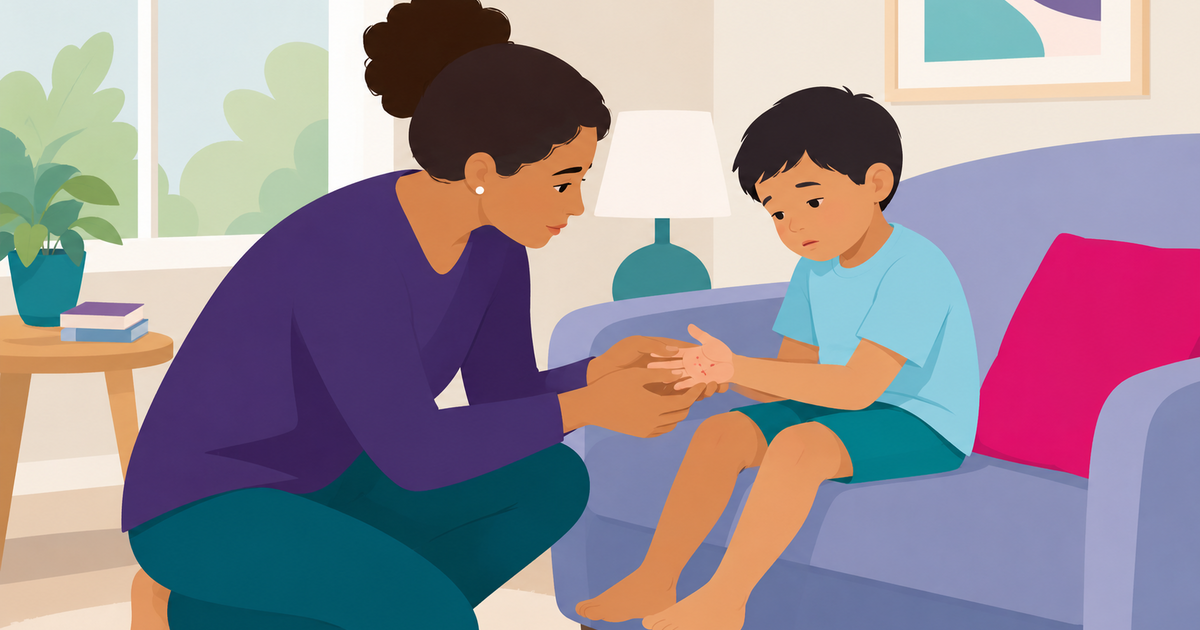
Hand, foot, and mouth disease (HFMD) is one of the most common illnesses pediatricians see every summer — and one of the most alarming for parents who've never encountered it before. The blisters look dramatic, the mouth sores make eating painful, and the virus spreads rapidly through daycares and summer camps. The reassuring truth: most cases in otherwise healthy children resolve completely in 7–10 days without any antiviral treatment, according to the CDC.
What causes hand, foot, and mouth disease?
HFMD is caused by enteroviruses, most commonly coxsackievirus A16, though coxsackievirus A6 and enterovirus 71 (EV-A71) also cause cases. The CDC notes that the virus spreads through direct contact with saliva, nasal secretions, blister fluid, and stool of infected individuals. This is why daycares, preschools, and summer camps see outbreaks — young children frequently put hands in mouths and share objects before symptoms are apparent. Incubation is 3–6 days from exposure to first symptoms.
What does HFMD look like?
The symptom pattern follows a predictable sequence. According to the CDC, children typically develop a fever of 101–103°F first, followed by a sore throat and painful mouth sores (ulcers on the tongue, gums, and inside the cheeks) 1–2 days later. A rash appears around the same time — small red spots or fluid-filled blisters on the palms of the hands, soles of the feet, and sometimes the buttocks and genitals. The rash may not be itchy, but the mouth sores are often painful enough to reduce appetite significantly. Some children, particularly those infected with coxsackievirus A6, develop a more widespread rash covering the arms, legs, and torso.
How is HFMD treated?
There is no antiviral medication for HFMD. Treatment is supportive: the CDC recommends over-the-counter medications such as ibuprofen or acetaminophen to manage fever and mouth pain. (Never give aspirin to children due to the risk of Reye's syndrome.) Cold foods — ice chips, popsicles, cold yogurt — can soothe mouth sores. Offer small, frequent amounts of cool liquids to keep children hydrated. Avoid acidic beverages like juice and soda, which can irritate mouth sores. Salty and spicy foods should also be avoided until sores heal. Most children feel significantly better within 3–5 days of fever onset.
How long is HFMD contagious?
HFMD is most contagious during the first week of illness. However, the CDC notes that the virus can be shed in stool for weeks after symptoms resolve, meaning a child can spread it even after feeling well. Keep children home from school or daycare until fever has been gone for at least 24 hours without fever-reducing medication and the child is well enough to participate in normal activities. Frequent handwashing — especially after diaper changes and before meals — is the most effective way to limit spread within families.
When should you worry about HFMD?
Call your pediatrician if your child cannot swallow any liquids due to mouth pain, shows signs of dehydration (no tears when crying, no wet diapers for 6–8 hours, dry mouth and lips, unusual sleepiness), has a fever above 104°F or one lasting more than 3 days, or if symptoms worsen after an initial period of improvement. Go to urgent care or the emergency room immediately if your child develops a stiff neck, severe headache, difficulty breathing, or unusual confusion — these can be signs of rare but serious complications such as viral meningitis.
When should you see a doctor for hand, foot, and mouth disease?
Most cases do not require a doctor visit. However, contact your pediatrician if you're unsure of the diagnosis, if your child is an infant under 6 months, or if dehydration is a concern. Urgent care can assess dehydration status, confirm the diagnosis, and provide guidance on managing symptoms at home. Immunocompromised children and newborns should be evaluated promptly given their higher risk of complications.
How Solv can help
If your child is running a high fever, refusing liquids, or you're not certain it's HFMD and not something that needs treatment, a quick urgent care visit can give you answers and peace of mind. Find a pediatric-friendly urgent care near you, check wait times, and book online at https://www.solvhealth.com/.
Frequently asked questions
How long does hand, foot, and mouth disease last in kids?
Most children recover fully within 7–10 days according to the CDC. Fever typically resolves within 3 days. Mouth sores heal within a week; blisters on hands and feet may linger a few days longer. In rare cases, fingernails or toenails may shed several weeks after the illness.
Is hand, foot, and mouth disease contagious?
Yes — HFMD is highly contagious. It spreads through direct contact with saliva, blister fluid, nasal secretions, and stool of infected individuals. Children remain contagious for 7–10 days after symptoms begin; in some cases they can spread the virus for weeks. Good handwashing and keeping sick children home from school or camp significantly reduces spread.
Can my child go to school with hand, foot, and mouth disease?
No. Keep your child home until the fever has been gone for at least 24 hours without fever-reducing medication and the child feels well enough to participate in normal activities. Because the virus spreads through blister fluid, children with open sores should stay home until the blisters have crusted over.
What can I give my child for the pain from mouth sores?
The CDC recommends over-the-counter medications such as ibuprofen or acetaminophen to relieve fever and pain. Cold foods like ice chips, popsicles, and yogurt can also help soothe mouth sores. Avoid acidic or spicy foods that worsen pain. Never give aspirin to children due to the risk of Reye's syndrome.
Can adults get hand, foot, and mouth disease?
Yes. Adults can get HFMD, though they often have milder symptoms or none at all. Adults who are infected can still spread the virus to children. Pregnant women who are exposed should contact their healthcare provider, as HFMD during pregnancy — especially near the due date — requires monitoring.

Dr. Linda Halbrook is a Board-Certified Family Medicine physician with over 40 years of experience, dedicated to providing comprehensive care to patients across Texas. She retired from practice but currently serves on the Clinical Services Committee of CommonGood Medical, a non-profit organization serving the uninsured in Collin County.
How we reviewed this article
Medically reviewed
View this article's sources and history, and read more about Solv's Content Mission Statement, editorial process, and editorial team.
5 sources
Solv has strict sourcing guidelines and relies on peer-reviewed studies, academic research institutions, and medical associations. We avoid using tertiary references.
- About Hand, Foot, and Mouth Disease. CDC. (Reviewed 2024)
- HFMD Symptoms and Complications. CDC. (Reviewed 2024)
- HFMD: Causes and How It Spreads. CDC. (Reviewed 2024)
- Hand, Foot, and Mouth Disease. CDC Yellow Book 2024. (2024)
- Diagnostic Methods, Clinical Guidelines, and Antibiotic Treatment for Group A Streptococcal Pharyngitis. PMC. (Oct 30, 2020)
Solv’s team of medical writers and experts review and update our articles when new information becomes available.
July 06 2026
Written by Solv Editorial Team
Medically reviewed by: Dr. Rob Rohatsch, MD