Urgent care near me
Key points
- RSV hospitalizes about 160,000 U.S. adults aged 65 and older each year — it is not just a childhood illness.
- Older adults may have serious RSV without a high fever; shortness of breath and worsening cough are more reliable warning signs.
- Two RSV vaccines (Abrysvo, Arexvy) are CDC-recommended for adults 60 and older and can prevent severe lower respiratory disease.
- Urgent care can test for RSV with a nasal swab and assess oxygen saturation — early evaluation matters for high-risk adults.
- There is no approved outpatient antiviral for RSV in older adults; vaccination is currently the most effective prevention strategy.

RSV (respiratory syncytial virus) is often thought of as a baby illness, but it poses a real threat to older adults. Each year RSV sends roughly 160,000 adults aged 65 and older to the hospital in the United States, according to the CDC. For older adults with heart or lung conditions, what starts as a runny nose can progress to pneumonia within days. Knowing the warning signs can mean the difference between a few days of rest and a serious hospital stay.
Why is RSV more dangerous in adults over 60?
RSV is a common respiratory virus that infects the airways from the nose and throat down into the lungs. In healthy young adults, it typically causes cold-like symptoms that clear in one to two weeks. In adults over 60, the immune system responds more slowly — a process called immunosenescence — which allows the virus to replicate longer and spread deeper into the lower respiratory tract. Adults with COPD, congestive heart failure, diabetes, or weakened immune systems face the highest risk of severe illness.
A 2026 study published in Euro Surveillance comparing outcomes among hospitalized adults found that RSV-associated hospitalizations carry a heavy clinical burden in older adults, with high rates of ICU admission (PMID 42757413). A companion study confirmed that RSV outcomes in adults are often worse than those associated with influenza (PMID 42648396).
What are the symptoms of RSV in older adults?
RSV in older adults often begins like a severe cold but can shift rapidly. Early symptoms include runny or stuffy nose, mild sore throat, low-grade fever (which may be absent even in serious infection), and fatigue. Within three to five days, symptoms can progress to a persistent cough that worsens at night, wheezing or rattling when breathing, and shortness of breath during light activity. The absence of fever does not mean the infection is mild — older adults frequently do not mount high fevers even when significantly ill, so shortness of breath and worsening cough should be taken seriously regardless of temperature.
How is RSV diagnosed and treated?
RSV cannot reliably be distinguished from the flu or COVID-19 by symptoms alone. Urgent care centers can test for RSV using a nasal swab, and many now offer combination respiratory panels that detect RSV, influenza A and B, and SARS-CoV-2 simultaneously. As of 2026, there is no approved outpatient oral antiviral specifically for RSV in older adults. Treatment is primarily supportive: rest, adequate hydration, and close monitoring for worsening. Two RSV vaccines — Abrysvo (Pfizer) and Arexvy (GSK) — are CDC-recommended for adults aged 60 and older and have shown strong efficacy against lower respiratory tract disease.
When should an older adult see a doctor for RSV symptoms?
Older adults with RSV-like symptoms should visit urgent care promptly if any of these warning signs appear: shortness of breath or difficulty breathing at rest, oxygen saturation below 95% on a home pulse oximeter, confusion or unusual drowsiness, a bluish tint to the lips or fingernails, chest pain or pressure, or high fever that does not respond to medication. Even without these red flags, adults 65 and older whose symptoms persist beyond a week without improvement should seek evaluation rather than waiting it out.
How Solv can help
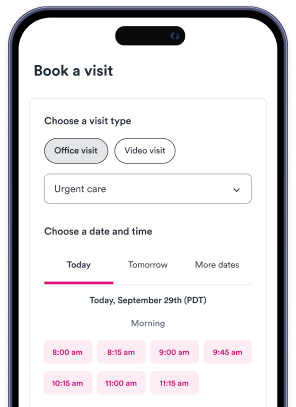
If you or an older family member has RSV-like symptoms this fall or winter, an urgent care visit can provide rapid respiratory testing, assess oxygen levels, and guide next steps. Solv makes it easy to find same-day appointments near you. Visit solvhealth.com to book a visit today.
Frequently asked questions
Is RSV dangerous for adults?
RSV can be serious for adults over 60 or those with chronic conditions like COPD or heart disease. It is a leading cause of hospitalization in older adults during fall and winter.
How do you know if you have RSV vs. the flu?
Symptoms overlap significantly. A nasal swab test available at most urgent care centers can distinguish RSV from influenza A and B and COVID-19 in about 15 to 30 minutes.
Can adults get the RSV vaccine?
Yes. The CDC recommends RSV vaccination for adults aged 60 and older. Two vaccines — Abrysvo (Pfizer) and Arexvy (GSK) — are FDA-approved and widely available.
How long does RSV last in older adults?
RSV typically lasts one to two weeks. In older adults or those with underlying conditions, symptoms may persist longer or progress to pneumonia.
Should an older adult go to urgent care for RSV?
Yes, especially with shortness of breath, low oxygen levels, confusion, or symptoms worsening after five days. Urgent care can test, assess severity, and refer to the ER if needed.

Dr. Linda Halbrook is a Board-Certified Family Medicine physician with over 40 years of experience, dedicated to providing comprehensive care to patients across Texas. She retired from practice but currently serves on the Clinical Services Committee of CommonGood Medical, a non-profit organization serving the uninsured in Collin County.
How we reviewed this article
Medically reviewed
View this article's sources and history, and read more about Solv's Content Mission Statement, editorial process, and editorial team.
6 sources
Solv has strict sourcing guidelines and relies on peer-reviewed studies, academic research institutions, and medical associations. We avoid using tertiary references.
- RSV in Older Adults and Adults with Chronic Medical Conditions. (Oct 24, 2024)
- Characteristics and outcomes of adult patients hospitalised with RSV infection, influenza and COVID-19. (Sep 2026)
- Comparison of clinical outcomes associated with RSV and influenza infections in adults. (Aug 2026)
- RSV Vaccines. (Sep 12, 2024)
- Respiratory Syncytial Virus Infection . (Oct 14, 2024) (RSV)
- RSV in Adults. (Feb 15, 2024)