Urgent care near me
 Key points
- Iron deficiency can cause symptoms like constant fatigue, frequent headaches, pale skin, and unusual cravings for non-food items.
- Other signs of iron deficiency include brittle or spoon-shaped nails, shortness of breath with light activity, and frequent illnesses.
- Common causes of iron deficiency include blood loss, poor dietary intake, pregnancy, absorption issues, and chronic illnesses or medications.
- Iron levels can be boosted through dietary changes and supplements, but it's important to consult a healthcare provider before starting a supplement regimen.
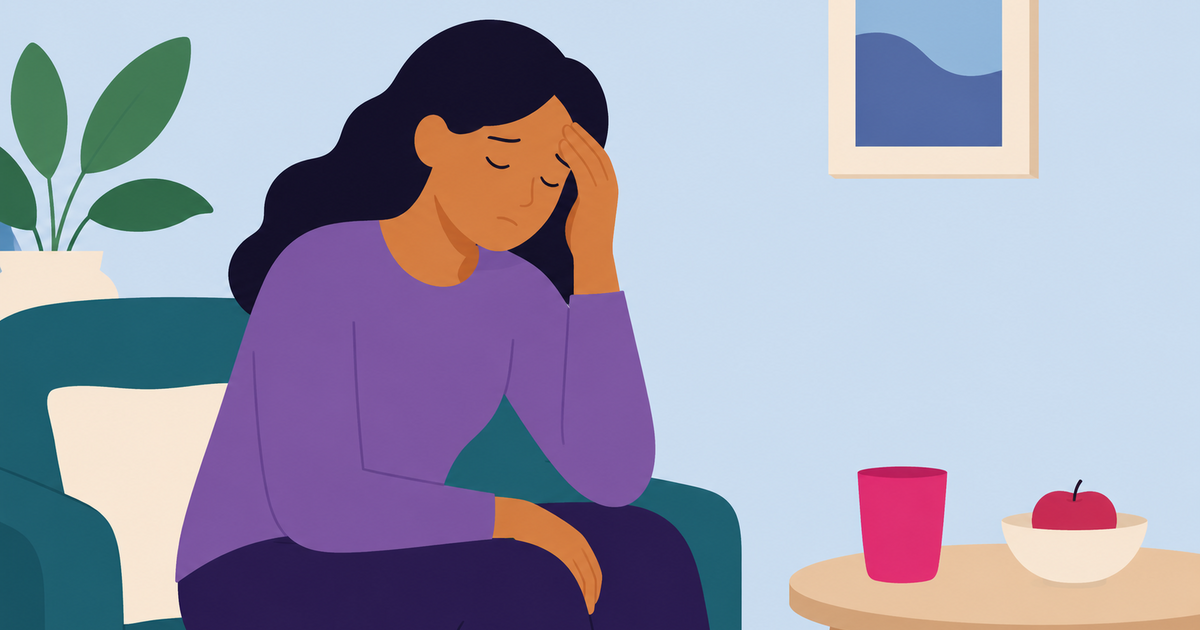
Iron plays a huge role in keeping your body functioning well. It helps transport oxygen through your blood, supports energy levels, and even impacts your brain function and mood. But despite how important it is, iron deficiency is one of the most common nutritional deficiencies worldwide, affecting people of all ages and backgrounds. The tricky part? Many of the symptoms are easy to miss or get brushed off as something else, like stress or lack of sleep. This article will walk you through seven surprising signs that you might be low on iron, some of which you may not have connected to a nutrient deficiency before. Knowing what to look for can help you catch the issue early and start feeling more like yourself again.
1. You’re tired all the time, even after rest
If you’re constantly exhausted, even after a full night’s sleep or a lazy weekend, it could be more than just a busy schedule wearing you down. Iron is essential for producing hemoglobin, a protein in your red blood cells that helps carry oxygen to the rest of your body. According to Hematology.org, when you don’t have enough iron, your body can’t deliver oxygen efficiently, which means your muscles, organs, and brain aren’t getting the fuel they need to function properly. This kind of iron-related fatigue isn’t the same as everyday tiredness; it’s a deep, lingering exhaustion that doesn’t go away with rest and can make even simple tasks feel draining. If you’re feeling constantly low-energy for no clear reason, low iron could be part of the picture.
2. You get frequent headaches or dizziness
If you’ve been dealing with frequent headaches or feeling lightheaded more often than usual, low iron might be a factor, according to the American Medical Association. When your iron levels are low, your body struggles to produce enough hemoglobin, which is the protein that helps carry oxygen in your blood. Without enough oxygen reaching your brain, you might experience tension headaches, brain fog, or even dizzy spells, especially when standing up quickly or moving around. While occasional dizziness can happen to anyone, feeling faint or off balance regularly could signal an underlying issue like iron deficiency anemia. If these symptoms keep popping up, it’s worth checking in with your doctor and getting a simple blood test to see what’s going on.
3. You have pale or yellowish skin
Pale or yellowish skin can be one of the more visible signs that your body might be low on iron, especially if you start to notice you’re looking a bit washed out or less vibrant than usual. That’s because iron helps your body make hemoglobin, the red pigment in your blood that gives your skin its healthy color. When hemoglobin levels drop, your skin may start to lose its natural rosy tone, and the change can show up in more than just your face, according to the American Society of Hematology. You might also notice paleness in your lips, gums, or even the inner lining of your lower eyelids. It’s not always dramatic, but if you or someone close to you points out that you look paler than usual, especially alongside other symptoms like fatigue or dizziness, it’s worth looking into your iron levels.
4. You notice unusual cravings (like ice or clay)
If you’ve found yourself craving things that aren’t food, like ice, chalk, or even clay, you’re not alone, and it might be your body trying to tell you something. According to the American Society of Hematology, this type of craving is called pica, and it’s often linked to iron deficiency. While the exact reason isn’t fully understood, experts believe that low iron levels can disrupt the brain’s appetite signals, leading to cravings for non-nutritive substances. Chewing ice, in particular, is one of the most common signs and can sometimes bring a temporary feeling of alertness or relief. If you’re regularly craving or consuming non-food items, it’s important to talk to a doctor and get your iron levels checked. It’s a sign that your body may be running low on a key nutrient, and catching it early can help you get back on track.
5. Your nails are brittle or spoon-shaped
Your nails can tell you more about your health than you might think — and changes like brittleness, unusual ridges, or a spoon-like shape (where the nail curves upward) can be subtle signs of iron deficiency. According to the American Medical Association, this condition, called koilonychia, isn’t always dramatic, which is why it often gets overlooked. You might just notice that your nails break more easily, feel thinner than usual, or don’t grow as quickly. Over time, they may start to dip in the center or lose their natural smoothness. While nail changes can have a few different causes, if you’re seeing these symptoms along with things like fatigue, pale skin, or strange cravings, it’s worth getting your iron levels checked. Your nails may be giving you an early warning sign that your body needs a boost.
6. You feel short of breath with light activity
If you find yourself getting winded from light activity, like climbing stairs, carrying groceries, or even walking briskly, it could be more than just being out of shape. The American Society of Hematology explains that iron plays a key role in helping your body produce healthy red blood cells, which carry oxygen to your muscles and organs. When your iron levels are low, your blood can’t transport oxygen as efficiently, so your body has to work harder to keep up, especially during physical movement. This can lead to symptoms like shortness of breath, chest tightness, or even heart palpitations as your heart pumps faster to try and deliver more oxygen. If you’re breathing harder than usual during activities that used to feel easy, it might be time to have your iron levels checked.
7. You keep getting sick
If it feels like you’re always coming down with something, whether it’s back-to-back colds, frequent infections, or cuts that take forever to heal, low iron might be playing a role. Iron isn’t just important for energy and oxygen flow; it also supports a healthy immune system. When your iron levels are low, your body may have a harder time fighting off viruses and bacteria, which can leave you more vulnerable to getting sick and staying sick longer. The American Medical Association explains that you might find that minor illnesses linger or that you’re picking up every bug going around. If your immune system doesn’t seem to be bouncing back the way it used to, it could be a sign that your body is low on this essential nutrient.
Common causes of iron deficiency
Iron deficiency can happen for a variety of reasons, and understanding the root cause is an important step toward feeling better. In some cases, your body is losing more iron than it can replace. This is especially common with heavy menstrual periods, bleeding ulcers, or injuries that cause blood loss, according to the American Society of Hematology.
Other times, it comes down to not getting enough iron through your diet, which can happen if you don’t eat much red meat or iron-rich plant foods. Pregnancy and breastfeeding also increase your iron needs, making deficiency more likely if you’re not supplementing.
Some people struggle with absorption issues due to conditions like celiac disease, inflammatory bowel disease, or past gastrointestinal surgery. And in some cases, chronic illnesses or medications can interfere with how your body uses or stores iron. If you think low iron could be affecting your health, talking to a doctor and getting tested can help identify the cause and get you back on track.
In summary, common causes of iron deficiency include the following:
- Blood loss (menstruation, ulcers, injury)
- Poor dietary intake
- Pregnancy or breastfeeding
- Absorption issues (celiac disease, gastrointestinal surgery)
- Chronic illnesses or medications
How to know for sure: when to get tested
If you’re dealing with symptoms like fatigue, frequent illness, or shortness of breath and wondering if low iron could be the cause, the best way to know for sure is through a simple blood test. Common tests include a Complete Blood Count (CBC), which checks for anemia; ferritin, which measures your iron storage levels; and serum iron, which shows how much iron is in your blood. Certain groups are more at risk for iron deficiency, including women (especially those with heavy periods), young children, endurance athletes, and people who follow vegetarian or vegan diets. If any of this sounds like you, and your symptoms just won’t go away, it’s worth getting evaluated by a doctor. A quick test could explain what’s been draining your energy and help you take steps to start feeling like yourself again.
How to boost your iron levels
If your iron levels are low, there are a few simple ways to boost them, starting with what you eat. Iron comes in two forms: heme iron, found in animal products like red meat, chicken, and fish, and non-heme iron, found in plant-based foods like beans, lentils, spinach, and fortified cereals. Your body absorbs heme iron more easily, but you can improve absorption of non-heme iron by pairing it with foods rich in vitamin C, like oranges, bell peppers, or strawberries.
If your doctor recommends an iron supplement, it’s best to take it on an empty stomach with a glass of juice or water, and avoid taking it alongside calcium-rich foods or antacids, which can block absorption. Drinking extra fluid and increasing dietary fiber can help prevent the constipation that iron supplements may cause. That said, iron supplements aren’t one-size-fits-all; taking too much can be harmful, so always check with a healthcare provider before starting one to make sure it’s right for you and your specific needs.
Think you might have low iron? Book a same-day lab test near you
If you’re feeling unusually tired, foggy, or just not yourself, it could be time to check your iron levels. Use Solv to quickly find a local urgent care or lab testing center with same-day availability, and speak with a medical provider who can help you get answers and start feeling better
Frequently asked questions
What are some signs that I might be low on iron?
Some signs of low iron levels include constant fatigue even after rest, frequent headaches or dizziness, pale or yellowish skin, unusual cravings such as ice or clay, brittle or spoon-shaped nails, shortness of breath with light activity, and frequent illnesses.
What are the common causes of iron deficiency?
Iron deficiency can occur due to blood loss from menstruation, ulcers, or injury. It can also be caused by poor dietary intake of iron, increased iron needs during pregnancy or breastfeeding, absorption issues due to conditions like celiac disease or gastrointestinal surgery, and interference from chronic illnesses or medications.
How can I confirm if I have low iron levels?
If you're dealing with symptoms like fatigue, frequent illness, or shortness of breath, the best way to confirm if low iron is the cause is through a simple blood test. Common tests include a Complete Blood Count (CBC), ferritin, and serum iron tests.
How can I boost my iron levels?
If your iron levels are low, you can boost them by eating iron-rich foods. Iron comes in two forms: heme iron, found in animal products like red meat, chicken, and fish, and non-heme iron, found in plant-based foods like beans, lentils, spinach, and fortified cereals. Pairing non-heme iron with foods rich in vitamin C can improve absorption. If your doctor recommends an iron supplement, it’s best to take it on an empty stomach with a glass of juice or water.
Are there any risks associated with taking iron supplements?
Yes, taking too much iron can be harmful. Therefore, it's important to check with a healthcare provider before starting an iron supplement to make sure it's right for you and your specific needs.

Dr. Linda Halbrook is a Board-Certified Family Medicine physician with over 40 years of experience, dedicated to providing comprehensive care to patients across Texas. She retired from practice but currently serves on the Clinical Services Committee of CommonGood Medical, a non-profit organization serving the uninsured in Collin County.
How we reviewed this article
Medically reviewed
View this article's sources and history, and read more about Solv's Content Mission Statement, editorial process, and editorial team.
3 sources
Solv has strict sourcing guidelines and relies on peer-reviewed studies, academic research institutions, and medical associations. We avoid using tertiary references.
- Iron-Deficiency Anemia. (August 2, 2025)
- Iron-Deficiency Anemia. (August 2, 2025)
- What doctors wish patients knew about iron deficiency. (August 2, 2025)
Solv’s team of medical writers and experts review and update our articles when new information becomes available.
April 10 2026
Written by Solv Editorial Team
Medically reviewed by: Dr. Rob Rohatsch, MD
May 06 2026
Edited by Solv Editorial Team
May 23 2026
Edited by Solv Editorial Team
May 26 2026
Edited by Solv Editorial Team
June 03 2026
Edited by Solv Editorial Team