Urgent care near me
 Key points
- Children often get sick at school due to close contact, shared supplies, and frequent opportunities for germs to spread.
- Illness prevention includes teaching kids to wash hands, packing hand sanitizer, maintaining a strong immune system, and staying up-to-date on vaccines.
- It's best to keep children home from school if they have a fever over 100.4°F, vomiting, diarrhea, persistent cough, rash with fever, or severe fatigue.
- A sick-day game plan includes backup childcare options, stocking medicine essentials, and preparing a "sick kit" for comfort during recovery.

Once the school year kicks off, it seems like germs start spreading just as quickly as homework assignments. From runny noses to stomach bugs, kids are bound to pick up a virus or two, and while you can’t prevent every illness, having a plan in place can make those sick days a lot less stressful. Instead of scrambling at the last minute, you’ll feel more confident knowing how to spot symptoms early, what steps to take to care for your child, and how to manage time away from school and work. This article will walk you through simple prevention strategies, signs that it might be more than just a passing cold, and practical tips for building a sick-day game plan that keeps your family prepared.
Why do kids get sick more often at school?
Kids tend to catch more bugs once they’re back in school because classrooms and playgrounds are full of close contact, shared supplies, and lots of opportunities for germs to spread. The CDC explains that common illnesses like colds, the flu, strep throat, RSV, and stomach viruses move quickly when kids are in close quarters, especially since it’s tough to keep little ones from touching their faces or remembering to wash their hands often. Younger children usually get sick more often because their immune systems are still developing and learning how to fight off new infections. While these frequent sniffles and fevers can be frustrating, they’re also a normal part of building stronger defenses for the future.
Illness prevention starts at home
The best defense against back-to-school germs starts at home with a few simple habits:
- Teaching kids to wash their hands before meals and after using the bathroom is one of the easiest ways to stop the spread of illness
- Packing hand sanitizer and tissues in their backpack gives them extra tools when soap and water aren’t available
- A strong immune system also depends on the basics: plenty of sleep, good hydration, and healthy foods
- Remind kids not to share drinks or utensils with friends, since that’s an easy way for germs to hitch a ride
- And don’t forget the importance of staying up to date on vaccines like the flu shot, which adds another layer of protection during the school year
When to keep your child home
Knowing when to keep your child home from school can help protect not only their recovery but also the health of classmates and teachers. As a general rule, it’s best to stay home if your child has:
- A fever over 100.4°F
- Vomiting or diarrhea
- A persistent cough or sore throat
- A rash that comes with a fever
- Eye drainage, especially if accompanied by a pink eye
- Fatigue is so severe that they can’t participate in normal activities
Every school may have slightly different policies, but these guidelines are common across most healthcare recommendations. When in doubt, it’s always better to let your child rest and recover before returning to class.
How to prepare a sick-day game plan
Having a sick-day game plan ready before your child comes down with something can save you a lot of stress:
- Start by figuring out backup childcare options in case you can’t stay home, and make sure you know your school’s absence reporting process so you’re not scrambling the morning of.
- Stock your medicine cabinet with essentials like kid-friendly fever reducers, cough drops, and a reliable thermometer, and keep your pediatrician’s and local urgent care clinic’s contact information handy.
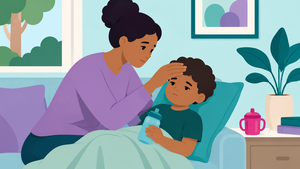
- You can also put together a little “sick kit” with cozy blankets, favorite books, and refillable water bottles to make your child more comfortable while they recover.
When to go to urgent care
Urgent care can be a great option when your child’s symptoms go beyond what you can manage at home but aren’t severe enough for the ER. The CDC recommends going to urgent care if your child has:
- A high fever that lasts more than two days
- Shows signs of dehydration, like a dry mouth, no tears, or fewer wet diapers
- Develops strep-like symptoms such as a sore throat with fever
- Is having breathing issues, such as wheezing, or persistent chest pain
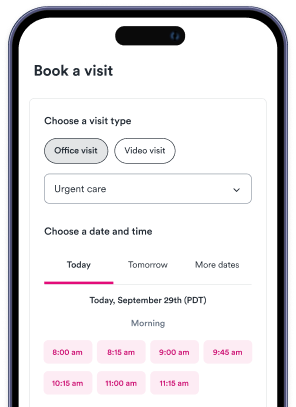
Need care fast? Find urgent care near you today.
Use Solv to book same-day pediatric urgent care for fevers, coughs, sore throats, or any school-season illness; quick relief means a quicker return to class.
Frequently asked questions
Why are children more prone to getting sick at school?
Children are more susceptible to illnesses at school due to the close contact in classrooms and playgrounds, shared supplies, and numerous opportunities for germs to spread. Younger children's immune systems are still developing, making them more susceptible to new infections.
What are some strategies for preventing illness in children?
Prevention strategies include teaching kids to wash their hands before meals and after using the bathroom, packing hand sanitizer and tissues in their backpacks, ensuring they get plenty of sleep, stay hydrated, and eat healthy foods. It's also important to remind kids not to share drinks or utensils with friends and to stay up to date on vaccines like the flu shot.
When should a child be kept home from school due to illness?
A child should be kept home from school if they have a fever over 100.4°F, vomiting or diarrhea, a persistent cough or sore throat, a rash that comes with a fever, eye drainage, especially if accompanied by a pink eye, or severe fatigue that prevents them from participating in normal activities.
How can parents prepare for when their child gets sick?
Parents can prepare by figuring out backup childcare options, knowing their school’s absence reporting process, stocking their medicine cabinet with essentials like kid-friendly fever reducers, cough drops, and a reliable thermometer, and keeping their pediatrician’s and local urgent care clinic’s contact information handy. They can also put together a "sick kit" with cozy blankets, favorite books, and refillable water bottles.
When should a child be taken to urgent care?
A child should be taken to urgent care if they have a high fever that lasts more than two days, show signs of dehydration, develop strep-like symptoms such as a sore throat with fever, or are having breathing issues, such as wheezing, or persistent chest pain.

Dr. Linda Halbrook is a Board-Certified Family Medicine physician with over 40 years of experience, dedicated to providing comprehensive care to patients across Texas. She retired from practice but currently serves on the Clinical Services Committee of CommonGood Medical, a non-profit organization serving the uninsured in Collin County.
How we reviewed this article
Medically reviewed
View this article's sources and history, and read more about Solv's Content Mission Statement, editorial process, and editorial team.
4 sources
Solv has strict sourcing guidelines and relies on peer-reviewed studies, academic research institutions, and medical associations. We avoid using tertiary references.
- Infection control basics. (August 19, 2025)
- About Handwashing. (August 19, 2025)
- Hygiene and respiratory virus prevention. (August 19, 2025)
- About handwashing. (August 19, 2025)
Solv’s team of medical writers and experts review and update our articles when new information becomes available.
February 20 2026
Written by Solv Editorial Team
Medically reviewed by: Dr. Rob Rohatsch, MD
May 06 2026
Edited by Solv Editorial Team
May 23 2026
Edited by Solv Editorial Team
May 27 2026
Edited by Solv Editorial Team
June 03 2026
Edited by Solv Editorial Team