Urgent care near me
Wegovy pill from $149/month
The FDA-approved weight loss pill is here
No injections. Just once-daily Wegovy® with proven results—up to 17% average weight loss in trials.
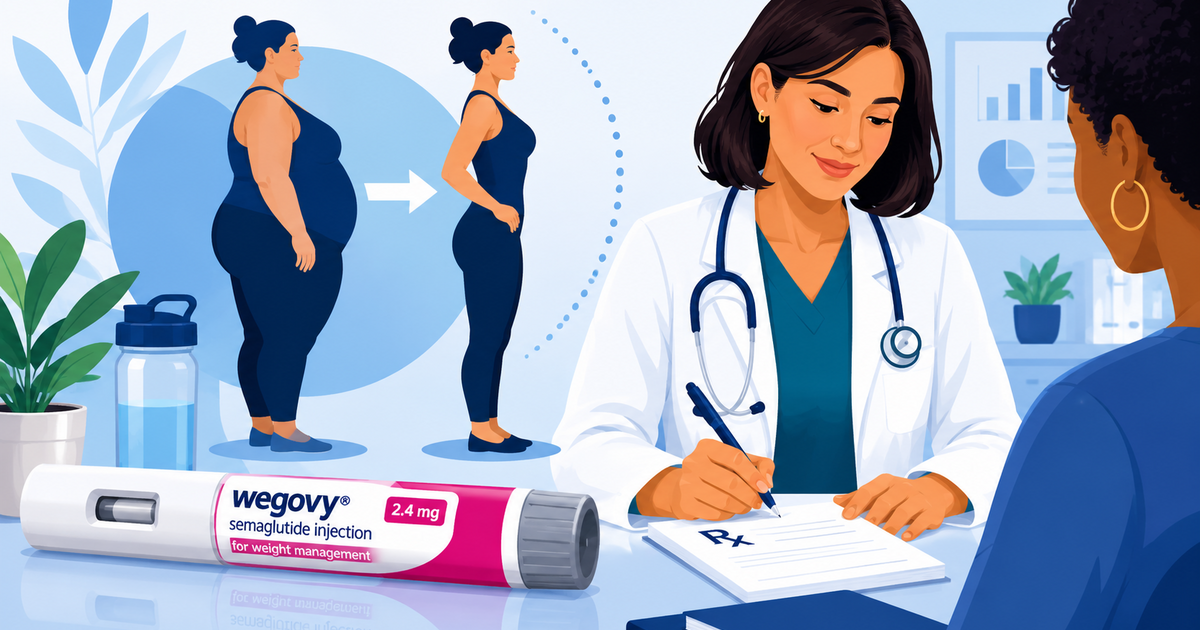
Yes — Wegovy can help with weight loss. Wegovy (semaglutide) now comes as a once-weekly injection and a once-daily pill. Both are FDA-approved for chronic weight management in people with obesity (BMI ≥30) or overweight (BMI ≥27) with a weight-related condition, alongside healthy eating and activity. The injection has strong data showing average losses around 15% of body weight at 68 weeks, and the newly approved pill shows similar double-digit losses at 64 weeks. Wegovy also carries a boxed warning (thyroid C-cell tumor risk) and can cause gastrointestinal side effects; careful dose-titration helps. Coverage varies, and out-of-pocket costs can be high, but there are alternatives and practical ways to get started safely. According to the FDA, Wegovy is also approved to lower the risk of cardiovascular death, heart attack, and stroke in certain adults with cardiovascular disease.
Once prescribed, Wegovy follows a gradual titration schedule—see the complete semaglutide dosing chart for week-by-week guidance.
Like other GLP-1 medications, Wegovy can cause side effects, especially early in treatment. Our guide covers what GLP-1 side effects are normal and when to seek care.
Wegovy is the brand name for semaglutide, a glucagon-like peptide-1 (GLP-1) receptor agonist. It’s available as a weekly subcutaneous injection and, newly, as once-daily tablets (the “Wegovy pill”). The FDA first approved the injection for chronic weight management in 2021, then expanded indications (including cardiovascular risk reduction) in 2024. The tablets were approved in late 2025 for the same weight-management indication. Wegovy should be used with a reduced-calorie diet and increased physical activity.
Yes. Both the injection and the pill are FDA-approved for chronic weight management in adults who meet BMI criteria, and the injection is also approved for certain adolescents ages 12 and up with obesity. Ozempic (also semaglutide) is FDA-approved for type 2 diabetes — not weight loss — though some clinicians prescribe it off-label. Wegovy should not be used together with other semaglutide products or other GLP-1 receptor agonists. Insurance coverage varies; plans often require prior authorization and documentation of eligibility.
Wegovy mimics GLP-1, a gut hormone that helps regulate appetite and slows stomach emptying. This can reduce hunger, curb cravings, and help you feel fuller with smaller meals. Most people notice less snacking and smaller portions within the first few weeks as doses are slowly increased. Titration is important — going slowly allows your GI tract and brain satiety centers to adjust, which lowers the chance of nausea. As one FDA leader put it when discussing the cardiovascular approval, “Wegovy is now the first weight loss medication to also be approved to help prevent life-threatening cardiovascular events” in eligible adults — a reminder that treating obesity can support heart health, too. — John Sharretts, MD, FDA.
Obesity experts also explain the brain-gut piece in plain terms: “This hormone is telling your brain, ‘I’m full, I don’t need to eat anymore,’” says Robert Kushner, MD, Northwestern University.
Injection (weekly): In a large, 68-week randomized trial in adults without diabetes, people on semaglutide 2.4 mg plus lifestyle changes lost about 15% of their starting weight on average, vs ~2% with lifestyle alone. Half lost at least 15% of their weight. Cardiometabolic markers (waist size, blood pressure, lipids) also improved.
Pill (daily): In a 64-week trial of adults with obesity or overweight and a related condition, the Wegovy pill led to ~14% average weight loss; ~28% lost ≥20%. Lifestyle coaching was included for all participants.
Staying on matters: Weight tends to plateau around a year and is maintained with continued therapy. When people stopped semaglutide after initial loss, they regained significant weight over the next 48 weeks — consistent with obesity being a chronic, relapsing disease.
You may be a candidate if you’re an adult with BMI ≥30, or ≥27 with at least one weight-related condition (e.g., high blood pressure, high cholesterol, sleep apnea). The injection is also approved for adolescents 12–17 with obesity (weight-based dosing).
Avoid Wegovy if you or a family member has medullary thyroid carcinoma (MTC) or MEN2; if you’re pregnant or planning pregnancy (stop at least 2 months before); or if you’ve had a serious allergic reaction to semaglutide. Use caution and talk with your clinician if you’ve had pancreatitis, gallbladder disease, diabetic retinopathy, kidney issues, or depression/suicidal thoughts. People scheduled for anesthesia or deep sedation may need special instructions because of delayed stomach emptying.
Common effects are usually GI-related and tend to improve with slow dose increases: nausea, diarrhea, vomiting, constipation, abdominal pain, reflux, gas, and bloating, plus headache, fatigue, and dizziness. Less common risks include gallbladder problems, kidney injury, and diabetic retinopathy changes (especially in those with diabetes). The boxed warning highlights thyroid C-cell tumor risk seen in rodents; while relevance to humans is uncertain, avoid in MTC/MEN2. Rare but serious reactions can include pancreatitis and severe allergy. Practical tips: eat smaller meals, limit high-fat/fried foods, prioritize hydration, and pause dose increases if symptoms spike. “These are game-changing medications,” notes Shauna Levy, MD, an obesity medicine physician — “but like any drug, they’re not without possible side effects,” so partner closely with your clinician.
Injection (weekly): Start 0.25 mg once weekly for 4 weeks, then increase every 4 weeks as tolerated: 0.5 mg → 1 mg → 1.7 mg → 2.4 mg (maintenance). If you can’t tolerate a step, delay the increase; some remain at 1.7 mg. Store pens refrigerated until use.
Pill (daily): Take first thing in the morning, on an empty stomach, with up to 4 ounces of water, and wait at least 30 minutes before food, drink, or other oral meds. Titrate monthly: 1.5 mg → 4 mg → 9 mg → 25 mg (maintenance), or a lower tolerated dose if needed. Swallow tablets whole.
Missed doses: The label includes specific guidance (varies by how long since your last dose and the dosage form); your prescriber can individualize based on symptoms and schedule.
Stopping Wegovy commonly leads to increased appetite and weight regain. In a maintenance trial, participants who switched from semaglutide to placebo after initial loss regained weight over 48 weeks, while those who continued treatment lost more. If you and your clinician decide to stop, plan ahead: reinforce nutrition and activity, consider behavioral support, and discuss alternate medications or staged tapering of lifestyle goals to minimize regain. As Dr. Kushner notes, the underlying drivers of weight tend to return when medication stops.
“Off-label” means prescribing an FDA-approved medicine for a non-approved use. The FDA doesn’t regulate medical practice; clinicians may prescribe off-label when it’s medically appropriate. That said, Wegovy is already approved for weight loss, so off-label discussions more often concern Ozempic (semaglutide for diabetes) being used for weight loss. Off-label use can affect insurance coverage, which is often stricter without a labeled indication. Regular follow-up and lifestyle changes remain essential.
Use caution. Compounded GLP-1 products are not FDA-approved, meaning their quality, potency, and sterility aren’t reviewed. The FDA has specifically warned about compounded semaglutide — especially salt forms (e.g., semaglutide sodium or acetate) that are not the same active ingredient as approved products. Risks include dosing errors, contamination, and storage issues. If your prescriber recommends a compounded product due to a true shortage or medical need, verify the pharmacy is state-licensed and, if applicable, 503B-registered.
Cash prices can be expensive, and coverage is variable. Many commercial plans require prior authorization, and criteria often mirror FDA labeling (BMI thresholds, comorbidities, documentation of lifestyle efforts). Medicare coverage for anti-obesity medications is evolving; policies may differ for Wegovy’s cardiovascular risk-reduction use versus weight loss alone — check your plan. Availability can fluctuate by dose and pharmacy. Non-profit and federal resources emphasize comparing options and working with your clinician to document medical necessity.
Medication works best with consistent habits:
Protein and fiber: Anchor meals with lean protein and high-fiber plants to preserve muscle and stay fuller longer (see Dietary Guidelines for Americans).
Move more: Aim for 150+ minutes/week of moderate activity plus 2 days of muscle-strengthening, adjusted for your fitness level.
Hydration: Choose water most often; sugary drinks make weight loss harder.
Sleep and alcohol: Get 7+ hours of sleep; keep alcohol modest, as it can worsen reflux and appetite signals.
Quick pro tip from clinic teams: lifting 2–3 times weekly (even short sessions) helps maintain muscle, which supports metabolism during weight loss.
Other incretin therapies: Zepbound (tirzepatide), a GLP-1/GIP agonist, is FDA-approved for chronic weight management; Saxenda (liraglutide) is another GLP-1 option (daily).
Non-GLP-1 medications: Depending on your health history, phentermine/topiramate, naltrexone/bupropion, or orlistat may help, typically with more modest average losses.
Metabolic/bariatric surgery: For higher BMIs or when medicines aren’t enough, surgery is effective and covered for many; talk with your clinician.
Lifestyle-only approach: Nutrition, movement, sleep, and behavior change are always foundational — and crucial for long-term maintenance, with or without medication.
Begin with your primary care clinician or an endocrinology/obesity medicine specialist. Expect baseline vitals and labs (A1C, lipids, kidney function), medication review, and a plan for titration and follow-ups (often monthly early on). If you’re considering the pill, review your morning routine and other medications, since the tablet must be taken on an empty stomach with specific timing. If you’re scheduling surgery or sedation, alert your team. Need help finding same-day care or a telemedicine visit? You can book quality care through Solv to discuss options and next steps.
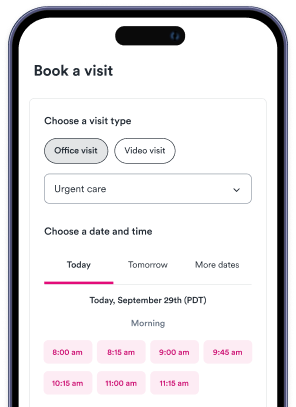
Find urgent care near you on Solv (for timely in-person evaluation).
Book a virtual visit on Solv (for medication discussions and refills).
Wegovy injection and pill are FDA-approved for weight loss.
Average losses: ~15% (shot) and ~14% (pill) with lifestyle.
Side effects are mostly GI; slow titration reduces symptoms.
Stopping often leads to weight regain — plan maintenance early.
Avoid if you have MTC/MEN2, or during pregnancy.
If you're comparing formulations, our breakdown of Wegovy pills versus injections covers key differences in form, cost, and side effects.
Wegovy is the brand name for semaglutide, a glucagon-like peptide-1 (GLP-1) receptor agonist. It comes in two forms: a once-weekly injection and a once-daily pill. It works by mimicking GLP-1, a gut hormone that helps regulate appetite and slows stomach emptying. This can reduce hunger, curb cravings, and help you feel fuller with smaller meals.
Yes, both the injection and the pill forms of Wegovy are FDA-approved for chronic weight management in adults who meet certain BMI criteria. The injection is also approved for certain adolescents ages 12 and up with obesity.
Wegovy has been shown to be quite effective for weight loss. The injection has data showing average losses around 15% of body weight at 68 weeks, and the pill shows similar double-digit losses at 64 weeks. However, it is important to note that these results are most effective when used alongside a reduced-calorie diet and increased physical activity.
Common side effects of Wegovy are usually gastrointestinal-related and tend to improve with slow dose increases. These include nausea, diarrhea, vomiting, constipation, abdominal pain, reflux, gas, and bloating, plus headache, fatigue, and dizziness. Less common risks include gallbladder problems, kidney injury, and diabetic retinopathy changes. There is also a boxed warning highlighting a thyroid C-cell tumor risk seen in rodents.
Wegovy should be avoided by individuals or family members who have medullary thyroid carcinoma (MTC) or MEN2, those who are pregnant or planning pregnancy, and those who have had a serious allergic reaction to semaglutide. It is also recommended to use caution and consult with your clinician if you've had pancreatitis, gallbladder disease, diabetic retinopathy, kidney issues, or depression/suicidal thoughts.
Obesity is chronic. Most people need ongoing treatment to maintain weight loss; stopping often leads to regain. Your clinician can reassess goals periodically.
No injections. Just once-daily Wegovy® with proven results—up to 17% average weight loss in trials.

Dr. Linda Halbrook is a Board-Certified Family Medicine physician with over 40 years of experience, dedicated to providing comprehensive care to patients across Texas. She retired from practice but currently serves on the Clinical Services Committee of CommonGood Medical, a non-profit organization serving the uninsured in Collin County.
Medically reviewed
View this article's sources and history, and read more about Solv's Content Mission Statement, editorial process, and editorial team.
Solv has strict sourcing guidelines and relies on peer-reviewed studies, academic research institutions, and medical associations. We avoid using tertiary references.
Solv’s team of medical writers and experts review and update our articles when new information becomes available.
Written by Solv Editorial Team
Medically reviewed by: Dr. Rob Rohatsch, MD
Edited by Solv Editorial Team
Edited by Solv Editorial Team
Edited by Solv Editorial Team
Edited by Solv Editorial Team
Edited by Solv Editorial Team
Edited by Solv Editorial Team
No injections. Just once-daily Wegovy® with proven results—up to 17% average weight loss in trials.