Urgent care near me
Wegovy pill from $149/month
The FDA-approved weight loss pill is here
No injections. Just once-daily Wegovy® with proven results—up to 17% average weight loss in trials.
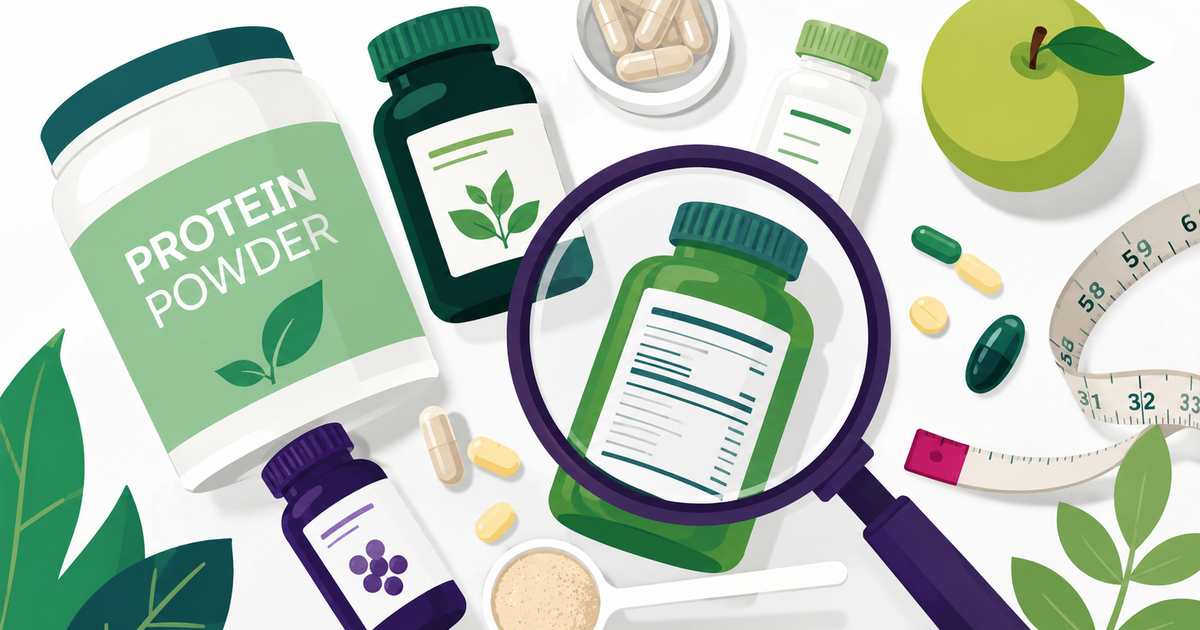
Losing weight and keeping it off is hard, and it’s totally normal to wonder whether a supplement could give you a safe boost. The short answer: a few options can help a little — mainly by improving fullness, supporting healthy habits, or correcting a deficiency — but none are magic, and quality/safety vary a lot. According to the National Institutes of Health (NIH), U.S. adults spend billions a year on weight-loss supplements, yet most products aren’t well-studied and many include long ingredient lists with mixed evidence.
Before we get into the best-supported picks, two important notes:
Dietary supplements aren’t approved by the FDA the way prescription medicines are, and the agency doesn’t verify products for effectiveness before they hit shelves. Talk with your clinician first — especially if you’re pregnant or nursing, have a medical condition, or take medications.
Sadly, some weight-loss products are adulterated with hidden drugs. The FDA maintains an active list of tainted items — avoid anything on it and report side effects.
Sleep is a foundational factor that supplements can't replace—here's how sleep affects weight loss and metabolism.
Yes — modestly and indirectly. Certain supplements can help you feel fuller, keep your gut healthy, or avoid shortfalls (like magnesium) that may make healthy changes harder. But sustainable weight loss still hinges on everyday patterns: balanced meals (protein + fiber), regular movement, good sleep, and stress management. Supplements are a supporting actor, not the star of the show. NIH emphasizes that lifestyle changes are the foundation, and any supplement should be a careful, individualized add-on.
Below are the options with the most practical, safety-minded evidence for everyday use. For each, you’ll see what the research suggests, how people typically use it, and safety must-knows.
Bottom line: Protein helps you feel fuller, makes it easier to maintain lean muscle while losing fat, and supports workouts. Food first (eggs, dairy, fish, poultry, tofu, beans); supplements can fill gaps when life gets busy.
How to use it: Pick a simple ingredient list, aim for ~20–30g of protein per serving, and think of it as a meal or snack component (e.g., a smoothie with fruit and nut butter). If you have kidney disease or another condition that affects protein needs, ask your clinician how much is right for you.
Safety tips: Choose third-party tested products (look for USP Verified or NSF Certified) to reduce contamination risk. If you’re dairy-sensitive, consider whey isolate or non-dairy proteins (pea, soy).
“Pro tip: Pair protein with fiber (below) for better fullness and steady energy.”
Bottom line: Strongest everyday assist. In randomized trials, adding isolated soluble fiber led to small but meaningful improvements in body weight and body composition in adults with overweight or obesity — likely by boosting satiety and smoothing blood sugar.
How to use it: Start low and go slow to avoid bloating. Many people begin with 3–5g/day of psyllium (mixed in 8–12 oz water) and gradually work toward ~10g/day, splitting doses before meals. Consistency matters more than brand.
Safety tips: Always take with enough water to prevent choking or blockage. Space fiber and oral meds by at least 2 hours (fiber can reduce absorption). If you have esophageal strictures, significant GI disease, or trouble swallowing, ask your clinician first.
Bottom line: Results are modest and strain-specific, but several trials and pooled analyses show small reductions in weight/waist when certain Lactobacillus and Bifidobacterium strains are taken consistently. Think of probiotics as gut-health support that may help weight management on the margins, especially alongside a high-fiber diet. Safety is good for most healthy adults.
How to use it: Consider food sources first (yogurt with live cultures, kefir, kimchi, tempeh) plus “prebiotic” fibers from plants. If trying a supplement, use a reputable brand with labeled strains and CFU; give it 8–12 weeks and track how you feel.
Safety tips: Probiotics are not for everyone. People who are severely ill, immunocompromised, or with central venous catheters (and all infants/children unless advised by a clinician) should talk with a clinician before use; rare infections have been reported in high-risk groups.
Bottom line: A plant compound studied mostly for blood-sugar and cholesterol support. Early research suggests it may help weight, particularly in people with insulin resistance — but quality varies and it can interact with medications. Consider only with clinician guidance.
How to use it: If your clinician recommends it, typical study doses are 500 mg 2–3 times daily with meals. Monitor for GI side effects (nausea, constipation/diarrhea).
Safety tips: Berberine can interact with many drugs (including those metabolized by CYP enzymes) and isn’t appropriate during pregnancy or breastfeeding. Discuss your full med/supplement list with your provider.
Bottom line: Magnesium supports hundreds of metabolic reactions, including glucose regulation and sleep quality. Supplementation won’t directly “melt fat,” but correcting a deficiency can make healthy habits more doable (energy, sleep, muscle function). Work with your clinician: blood tests don’t always reflect body stores, but they’re a start.
How to use it: Food first (legumes, nuts, seeds, whole grains, leafy greens). If supplementing, many people tolerate magnesium glycinate or citrate best. The upper limit for supplemental magnesium is 350 mg/day for adults (doesn’t include food sources). GI upset is common if you take too much at once.
Safety tips: Magnesium can interact with certain antibiotics, thyroid meds, and bisphosphonates (space doses by several hours).
Bottom line: Caffeine can slightly increase energy expenditure and fat oxidation; green tea catechins (EGCG) may add a small effect. Think of these as tiny nudges —useful only alongside healthy eating and activity. Do not use high-dose or “concentrated caffeine” powders.
How to use it: For most adults, staying ≤400 mg/day of caffeine from all sources is considered an amount not generally associated with negative effects (sensitivity varies). A cup of brewed coffee has ~85–100 mg; 8 oz green tea has ~45 mg.
Safety tips: Green tea extract capsules have been linked (rarely) to liver injury — avoid high doses, take with food, and stop if you notice yellowing of the skin/eyes, dark urine, or right-upper-abdominal pain. Green tea can also interact with some meds.
Plenty of popular ingredients have little or inconsistent evidence for meaningful, lasting weight loss — often with GI side effects or medication interactions:
Chitosan, chromium, and white kidney bean (Phaseolus vulgaris): mixed or minimal effects across small/short trials.
Raspberry ketone, “fat burners,” multi-stimulant blends: lack solid human data, and proprietary mixes can hide risky doses.
Yohimbe: can raise blood pressure/heart rate — generally avoid.
NIH’s comprehensive review for health professionals summarizes where evidence is lacking and where safety concerns rise — worth a read if you’re comparing labels.
Also, be alert for counterfeits and adulterants. The FDA routinely flags “slimming” teas, pills, and gummies that secretly contain drugs like sibutramine (withdrawn for safety) or laxatives/diuretics masquerading as fat loss. Check the FDA’s list before you buy.
Lead with food. Fiber-rich plants (veggies, fruit, beans, whole grains, nuts), hydration, and enough protein do more for fullness and energy than any bottle. The Dietary Guidelines for Americans lay out what a balanced pattern looks like at any life stage.
Look for third-party testing. USP Verified or NSF Certified for Sport marks help reduce the risk of contamination and dosing errors.
Avoid “everything but the kitchen sink.” Single-ingredient supplements make it easier to spot what actually helps — and what causes side effects.
Watch your meds. Fiber can reduce absorption of some oral drugs; green tea can interact with specific medications; berberine has multiple drug interactions. When in doubt, ask a clinician or pharmacist.
Start low, go slow, and track. Add only one new product at a time for 2–4 weeks. Keep notes on appetite, energy, sleep, GI symptoms, and weight/waist.
Stop if it makes you feel worse. New chest pain, severe headaches, palpitations, jaundice, fainting, or severe GI distress are red flags — seek care.
Need quick, real-world help choosing safely? A same-day visit (in person or virtual) with a primary care or urgent care clinician can review your meds, health history, and goals to tailor a plan.
Supplements work best alongside a solid fat-loss strategy. Our guide on how to lose body fat sustainably covers the fundamentals.
Yes, but only modestly and indirectly. Supplements can help you feel fuller, support gut health, and correct deficiencies that may hinder healthy habits. However, they are not a magic solution and should be used alongside balanced meals, regular exercise, good sleep, and stress management.
Some of the best research-backed options include protein (powders, shakes, or bars), soluble fiber (psyllium, glucomannan, inulin), probiotics (and fermented foods), berberine, magnesium (when you're deficient), and caffeine & green tea extract. However, each of these supplements should be used wisely and in conjunction with a healthy lifestyle.
Yes, there are several safety considerations. For example, dietary supplements are not approved by the FDA the same way prescription medicines are. Some weight-loss products may contain hidden drugs. Certain supplements can interact with medications, and it's important to choose third-party tested products to reduce contamination risk. Always consult with a healthcare professional before starting any new supplement regimen.
Yes, there are several popular ingredients that have little or inconsistent evidence for meaningful, lasting weight loss. These include chitosan, chromium, white kidney bean, raspberry ketone, "fat burners," multi-stimulant blends, and yohimbe.
Start with a healthy diet rich in fiber and protein. Look for supplements that have been third-party tested for safety. Avoid supplements with a long list of ingredients and be aware of potential interactions with medications. Add only one new product at a time and monitor your body's response. If a supplement makes you feel worse, stop using it and consult with a healthcare professional.
No injections. Just once-daily Wegovy® with proven results—up to 17% average weight loss in trials.

Dr. Linda Halbrook is a Board-Certified Family Medicine physician with over 40 years of experience, dedicated to providing comprehensive care to patients across Texas. She retired from practice but currently serves on the Clinical Services Committee of CommonGood Medical, a non-profit organization serving the uninsured in Collin County.
Medically reviewed
View this article's sources and history, and read more about Solv's Content Mission Statement, editorial process, and editorial team.
Solv has strict sourcing guidelines and relies on peer-reviewed studies, academic research institutions, and medical associations. We avoid using tertiary references.
Solv’s team of medical writers and experts review and update our articles when new information becomes available.
Written by Solv Editorial Team
Medically reviewed by: Dr. Rob Rohatsch, MD
Edited by Solv Editorial Team
Edited by Solv Editorial Team
Edited by Solv Editorial Team
Edited by Solv Editorial Team
Edited by Solv Editorial Team
Edited by Solv Editorial Team
No injections. Just once-daily Wegovy® with proven results—up to 17% average weight loss in trials.