Urgent care near me
Wegovy pill from $149/month
The FDA-approved weight loss pill is here
No injections. Just once-daily Wegovy® with proven results—up to 17% average weight loss in trials.

If you’ve been eating well, staying active, and still not seeing the weight loss results you hoped for, it’s easy to feel frustrated or stuck. That’s where lab testing can come in; it helps look beyond calories and workouts to uncover what might be happening beneath the surface.
Sometimes, conditions such as hormone imbalances, thyroid issues, nutrient deficiencies, or blood sugar problems can quietly impact your metabolism, making it harder to lose weight. With the right tests, you and your doctor can gain a clearer understanding of what’s happening inside your body and develop a more personalized and effective plan. It’s not about quick fixes; it’s about understanding your unique biology so you can make progress that actually sticks!
Lab tests can be a game-changer when it comes to managing your weight, especially if you’ve hit a plateau or nothing seems to be working.
Instead of guessing what your body needs, lab tests provide real insights to guide your nutrition, exercise, and even medication if needed.
When it comes to weight loss, specific lab tests can offer valuable insight into what might be slowing you down:
If you’ve been sticking to healthy habits like eating well and staying active, but the scale just won’t budge, or worse, you’re gaining weight for no clear reason, it might be time to dig a little deeper with lab testing. Some common signs that your body may need a closer look include:
Additionally, if you have a family history of thyroid disease, diabetes, or other metabolic conditions, testing can help catch things early and give you a clearer path forward. Lab tests can give you answers that your scale can’t, and that insight could be exactly what you need to move forward with confidence.
Getting lab tests done may sound intimidating, but the process is usually straightforward and simple. You can get tested through your primary care doctor, a weight loss clinic, an urgent care center, or even an independent lab; it all depends on what’s most convenient for you.
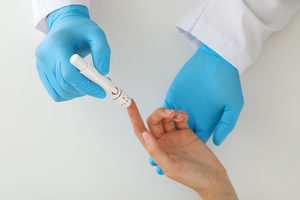
Most of the key tests involve a quick blood draw, often after fasting for 8–12 hours, so it’s a good idea to schedule a morning appointment if possible. Once your sample is collected, you can typically expect results within a few days, depending on the tests ordered.
As for cost, some lab tests may be covered by insurance, especially if your doctor believes they’re medically necessary based on your symptoms or health history. It’s always a good idea to double-check with your provider or insurance company to avoid any surprises.
Once you receive your lab results, the next step is just as important as the testing itself. Work with a healthcare provider to interpret the numbers. Lab results can be confusing on their own, but a provider can help you understand what they mean in the context of your weight loss goals. Maybe you need a supplement to correct a deficiency, a medication to balance hormones, or a shift in your eating or exercise routine to support your metabolism better. Whatever the case, using your results to guide your next steps makes your plan smarter and more personalized. And don’t forget, it’s not a one-and-done process. Tracking your progress and retesting over time can show how your body is responding and help fine-tune your plan as you go.
If you’re tired of guessing why the scale won’t budge, it might be time for lab testing to uncover what’s really going on. Use Solv to find nearby urgent care centers that offer lab tests and expert support to help you take the next step with confidence.
Yes, lab testing can be a significant aid in weight loss. It can uncover underlying conditions such as hormonal imbalances, thyroid problems, or nutrient deficiencies that may be affecting your metabolism and making weight loss more difficult.
Some key lab tests include a thyroid panel to detect hypothyroidism, fasting insulin and glucose levels to identify insulin resistance or prediabetes, a lipid panel to check cholesterol and heart health, hormone testing to reveal imbalances that affect fat storage, and vitamin level tests to ensure your body can burn calories efficiently.
If you've been maintaining healthy habits but aren't seeing weight loss results, or if you're experiencing unexplained weight gain, constant fatigue, or frequently feeling cold, you might benefit from lab testing. A family history of thyroid disease, diabetes, or other metabolic conditions can also be a reason to consider testing.
The lab testing process is straightforward. It often involves a blood draw, usually after fasting for 8-12 hours, and can be done through your primary care doctor, a weight loss clinic, an urgent care center, or an independent lab. Results are typically available within a few days.
Once you receive your lab results, you should work with a healthcare provider to interpret the data. They can help you understand what the results mean in the context of your weight loss goals and guide you in making necessary adjustments to your diet, exercise routine, or medication regimen. It's also important to track your progress and retest over time to fine-tune your plan.
No injections. Just once-daily Wegovy® with proven results—up to 17% average weight loss in trials.

Dr. Linda Halbrook is a Board-Certified Family Medicine physician with over 40 years of experience, dedicated to providing comprehensive care to patients across Texas. She retired from practice but currently serves on the Clinical Services Committee of CommonGood Medical, a non-profit organization serving the uninsured in Collin County.
Medically reviewed
View this article's sources and history, and read more about Solv's Content Mission Statement, editorial process, and editorial team.
Solv has strict sourcing guidelines and relies on peer-reviewed studies, academic research institutions, and medical associations. We avoid using tertiary references.
Solv’s team of medical writers and experts review and update our articles when new information becomes available.
Written by Solv Editorial Team
Medically reviewed by: Dr. Rob Rohatsch, MD
Edited by Solv Editorial Team
Edited by Solv Editorial Team
Edited by Solv Editorial Team
Edited by Solv Editorial Team
No injections. Just once-daily Wegovy® with proven results—up to 17% average weight loss in trials.