Urgent care near me
Sane-day doctor visits
Feel better faster. Get care today.
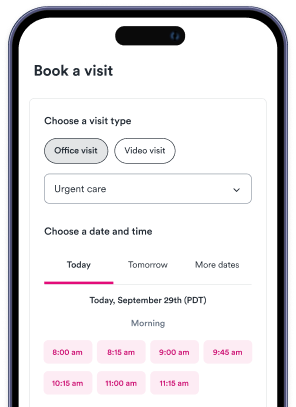
From the clinic or your couch. Find high quality, same-day urgent care for you and your kids. Book an urgent care visit today.
Yes, urgent care can evaluate and treat high blood pressure—including prescribing medication for new or uncontrolled hypertension. High blood pressure (hypertension) affects nearly half of all American adults, according to the CDC, yet most people have no symptoms until damage has accumulated.1 Knowing when urgent care is appropriate, when to call 911, and how to monitor your readings at home are the most important steps you can take for your cardiovascular health.
This is just one of many things urgent care handles — see the full list of urgent care services.
When blood pressure is severely elevated, urgent care providers may also order an EKG to screen for cardiac stress. Our guide on EKGs at urgent care explains what to expect and how the test works.
High blood pressure is often called a "silent killer" because most people have no symptoms—even at dangerously elevated readings, according to the American Heart Association.2 Symptoms, when they occur, typically appear once blood pressure reaches crisis levels or after years of cumulative damage. The following are the main symptoms to know.3,4
Headaches are a recognized symptom of hypertension, often described as a dull or throbbing pain on both sides of the head that is worse in the morning, according to Cleveland Clinic.4 However, headaches alone are a non-specific symptom. A severe, sudden-onset "thunderclap" headache warrants emergency evaluation.
Shortness of breath can occur when elevated blood pressure strains the heart's ability to pump effectively, according to Mayo Clinic.3 You may feel you can't catch your breath even at rest. This symptom, especially when new or worsening, should prompt urgent evaluation.
Chest pain from hypertension can feel like tightness, pressure, or sharp stabbing sensations, according to Mayo Clinic.3 It may radiate to the back or arms. Chest pain with elevated blood pressure should be treated as a potential cardiac emergency—go to the ER immediately, not urgent care.
Dizziness may indicate reduced blood flow to the brain, according to Mayo Clinic, and can range from mild lightheadedness to fainting.3 Vision changes—including blurred vision or seeing spots—can signal elevated eye pressure related to hypertension. Both symptoms warrant same-day evaluation at minimum.
Multiple factors increase your likelihood of developing hypertension. According to the American Heart Association, the primary risk factors are:2
Urgent care is appropriate when you have elevated blood pressure readings or mild symptoms but no signs of a hypertensive emergency. Urgent care providers can measure your blood pressure accurately, order laboratory tests to assess cardiovascular risk, prescribe or adjust hypertension medication, and give you a monitored follow-up plan.
Go to urgent care if:
Many urgent care clinics offer extended hours and same-day service, making them a practical option when primary care isn't immediately available.
A blood pressure reading above 180/120 mmHg is a hypertensive crisis—go to the ER immediately, per Mayo Clinic and the American Heart Association.2,3 Do not wait for an urgent care appointment. Also go to the ER if you have elevated blood pressure combined with any of the following:
These symptoms may indicate a heart attack, stroke, or hypertensive emergency—all require immediate emergency treatment.2
Both medication and lifestyle changes are cornerstones of hypertension treatment. An urgent care provider can initiate medication and give you a management plan; ongoing treatment should be followed up with a primary care physician.
According to current AHA/ACC guidelines, first-line medication classes for hypertension include:2
Your urgent care provider will choose based on your specific readings, medical history, and any existing conditions.
The American Heart Association recommends the following lifestyle modifications, which can lower blood pressure meaningfully on their own or alongside medication:2
Untreated hypertension causes progressive damage to blood vessels and organs. According to Cleveland Clinic and Mayo Clinic, the main complications include:3,4
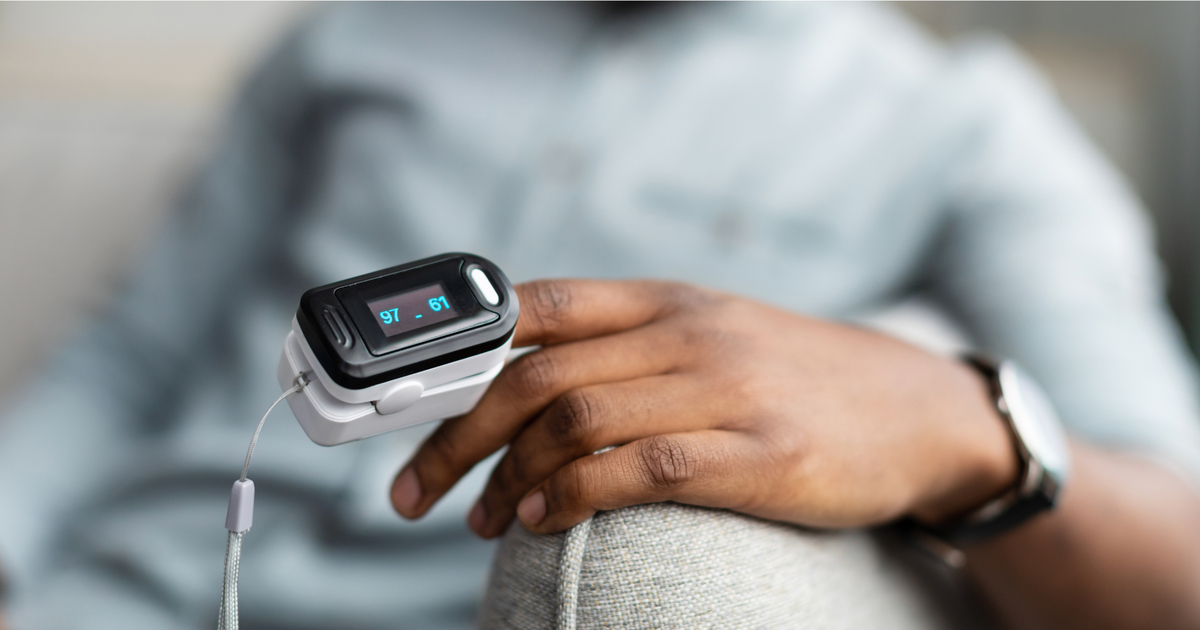
Regular monitoring lets you and your provider detect trends, gauge treatment effectiveness, and catch dangerous spikes before they become emergencies. The American Heart Association recommends home monitoring alongside clinical checks for anyone diagnosed with hypertension.2
To get accurate home readings:
Share your log with your provider at follow-up visits. A consistently high home reading—even without symptoms—warrants urgent care evaluation.
Urgent care is a practical, same-day option for blood pressure evaluation, prescription, and follow-up planning. Solv makes it easy to find urgent care clinics near you, check current wait times, and book same-day visits without calling around.
If you're experiencing chest pain, difficulty breathing, or a reading above 180/120 mmHg—call 911 or go to the nearest ER.
Yes. Urgent care providers can measure your blood pressure, order labs, prescribe or adjust medication, and create a management plan. For ongoing treatment, follow up with a primary care physician.
Yes — hypertension is often called the 'silent killer' because most people have no symptoms even at severely elevated levels. Symptoms like headache, nausea, or visual changes typically only appear during hypertensive urgency or crisis (readings at or above 180/120 mmHg). Absence of symptoms does not mean your blood pressure is safe. This is why routine screening matters — many people only learn they have hypertension during a visit for something unrelated.
No — do not adjust your dose without provider guidance. Taking extra blood pressure medication can cause pressure to drop too quickly, leading to dizziness, fainting, or falls, particularly in older adults. If your reading is elevated and you are unsure what to do, contact your prescriber or visit urgent care. If your reading is above 180/120 mmHg with symptoms such as chest pain, shortness of breath, or vision changes, go to the ER immediately.
Key risk factors include genetics, high-sodium diet, chronic stress, older age, obesity, and smoking. Most cases of hypertension (primary hypertension) develop gradually from a combination of these factors.
It depends on the medication class. Some antihypertensives begin lowering blood pressure within hours of the first dose; others take days to weeks to reach full effect. If urgent care starts or adjusts a medication, they will typically recommend follow-up with your primary care provider within one to two weeks to assess the response. Blood pressure management is ongoing — it often requires titration and lifestyle changes before a stable reading is achieved.
'White coat hypertension' — elevated readings in a clinical setting due to anxiety — is well documented. A single high reading does not necessarily mean you have chronic hypertension. Your provider may take multiple readings, have you rest for a few minutes, or recommend home monitoring over one to two weeks before making a diagnosis. Persistent elevation across multiple readings in different settings is more clinically meaningful than a single elevated clinic reading.
Treatment options for high blood pressure include medications such as diuretics, ACE inhibitors, and beta blockers, as well as lifestyle changes like dietary changes, regular exercise, and stress management.
If left untreated, high blood pressure can lead to serious complications such as heart attack, stroke, and kidney damage.
From the clinic or your couch. Find high quality, same-day urgent care for you and your kids. Book an urgent care visit today.

Medically reviewed
View this article's sources and history, and read more about Solv's Content Mission Statement, editorial process, and editorial team.
Solv has strict sourcing guidelines and relies on peer-reviewed studies, academic research institutions, and medical associations. We avoid using tertiary references.
Solv’s team of medical writers and experts review and update our articles when new information becomes available.
Written by Solv Editorial Team
Medically reviewed by: Dr. Rob Rohatsch, MD
Edited by Solv Editorial Team
Edited by Solv Editorial Team
Edited by Solv Editorial Team
Edited by Solv Editorial Team
Edited by Solv Editorial Team
Edited by Solv Editorial Team
Edited by Solv Editorial Team
From the clinic or your couch. Find high quality, same-day urgent care for you and your kids. Book an urgent care visit today.