Urgent care near me
On-demand lab testing
Ensure your health. Get tested today.
Convenient lab testing at your fingertips at more than 5,000 locations nationally. Consult with a doctor, or get tested on your own.

Getting annual lab tests might not be the most exciting part of your healthcare routine, but it’s one of the most valuable things you can do for your long-term well-being. These tests provide a snapshot of how your body is functioning, including blood sugar and cholesterol levels, as well as kidney, liver, and thyroid health, and can detect potential problems before they become more serious.
Even if you feel perfectly healthy, underlying issues like nutrient deficiencies or hormonal imbalances can sneak up without symptoms. This is why staying on top of your numbers year after year helps you and your doctor spot changes early, track progress, and make informed decisions about your health. It’s a simple step that can make a big difference.
For deeper detail on any of these tests, our complete guide to lab tests walks through what each panel includes and what results mean.
Testosterone levels are often not included in a standard annual panel but are worth requesting. See our guide to testosterone testing for when and why to ask.
STI screening is an important part of routine care that's easy to overlook. Our guide to chlamydia testing covers the process and what results mean.
The Complete Blood Count, or CBC, is one of the most common and important blood tests you can get during your annual checkup. It looks at key components in your blood, like red and white blood cells, hemoglobin, and platelets, to help your doctor understand how well your body is functioning. A CBC can reveal signs of anemia, which may explain fatigue or weakness, as well as infections or immune system issues that may not yet be showing obvious symptoms.
The Comprehensive Metabolic Panel, or CMP, gives your doctor a wide-angle view of your body’s internal systems. It measures important things like blood sugar, calcium levels, electrolytes, and the function of your kidneys and liver. These numbers can reveal a great deal about your metabolism and whether your organs are functioning properly. For example, the CMP can help detect early signs of diabetes, dehydration, or even liver damage, sometimes before you feel any symptoms at all.
A lipid panel, also known as a cholesterol test, is an important tool for assessing your heart health. It measures your total cholesterol, including HDL (the “good” kind that helps protect your heart), LDL (the “bad” kind that can build up in your arteries), and triglycerides (a type of fat in your blood). High levels of LDL or triglycerides can increase your risk of heart disease and stroke, while higher HDL is usually a good sign. Knowing your numbers can help you and your doctor decide if you need to make changes to your diet, exercise routine, or other lifestyle habits to keep your heart healthy for the long run.
The A1C test is a simple blood test that provides a comprehensive view of your blood sugar levels over the past two to three months. Instead of just showing your blood sugar level at a single moment in time, it indicates how well your body has been managing glucose over a more consistent period. This makes it especially useful for spotting signs of prediabetes or type 2 diabetes before symptoms even appear. If you're over 40, have a family history of diabetes, or carry extra weight, getting your A1C checked regularly is a smart way to stay ahead of potential health issues.
A thyroid panel is a set of blood tests that check your thyroid hormone levels, specifically TSH, T3, and T4, and plays a significant role in understanding your overall health. Your thyroid is a small gland in your neck, but it controls some pretty big things like your metabolism, energy levels, weight, and even your mood.
If your thyroid is underactive (hypothyroidism), you may experience fatigue, weight gain, and feelings of depression and sluggishness. On the flip side, if it’s overactive (hyperthyroidism), you might experience anxiety, trouble sleeping, or unexpected weight loss.
Because thyroid issues are common and often go undiagnosed, it’s worth getting this panel as part of your annual labs, especially if you’ve noticed changes in how you feel and can’t quite explain why.
A vitamin D test measures how much of this essential nutrient is in your blood, and while it might not seem like a big deal, your levels can have a major impact on how you feel. Vitamin D plays a key role in everything from keeping your bones strong to supporting your immune system, and low levels are surprisingly common, especially if you spend a lot of time indoors or live in a place with long winters.
When your vitamin D is too low, you might feel more tired than usual, get sick more often, or even notice mood changes like increased anxiety or symptoms of depression. Getting your levels checked with a simple blood test can help identify a deficiency early, allowing you to boost your levels through sunlight, diet, or supplements and start feeling better from the inside out.
A vitamin B12 test checks the amount of this important nutrient in your blood, and it’s one you definitely don’t want to overlook. B12 plays a key role in keeping your brain sharp, your nerves healthy, and your body energized by helping produce red blood cells. If your levels are low, you might start feeling tired all the time, have trouble concentrating, or experience brain fog and memory issues. In more serious cases, a deficiency can even lead to numbness or tingling in your hands and feet. Since B12 is mostly found in animal-based foods, vegetarians, vegans, and older adults are especially at risk for low levels.
A urinalysis might seem like a basic test, but it can tell you a lot about your health. By analyzing a sample of your urine, this test checks for things like sugar, protein, white blood cells, and other substances that can point to problems with your kidneys or urinary tract. It’s often used to detect urinary tract infections (UTIs), signs of kidney disease, or even early signs of diabetes, sometimes before symptoms show up. It’s quick, painless, and can easily be done during a routine checkup or urgent care visit.
In addition to the standard annual tests, your doctor might recommend a few extras based on your personal health history or symptoms. For example, if you’ve been feeling unusually tired, lightheaded, or weak, an iron or ferritin test can check for anemia and show whether your body has enough iron stored. A CRP (C-reactive protein) test looks for signs of inflammation in your body and can be useful for assessing your risk of heart disease or tracking chronic conditions. If you’ve been dealing with low energy, changes in libido, or irregular menstrual cycles, hormone tests, like testosterone, estrogen, or progesterone, can help uncover imbalances that might be affecting how you feel.
Getting your annual lab tests done is easier than you might think, and you have plenty of options depending on what works best for your schedule and needs. Many people get their labs done during a regular checkup at their primary care doctor’s office, which is a great way to review everything in one visit. If you need faster access or don’t have a primary care provider, urgent care clinics are a convenient choice. They often offer walk-in lab services with quick turnaround times. You can also visit independent labs or wellness centers, which may give you more flexibility and even let you choose specific tests.
Before heading in for your lab tests, it’s helpful to know what to expect so you can get the most accurate results:
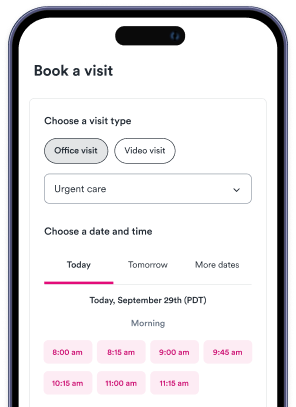
Staying on top of your health doesn’t have to be complicated. Use Solv to quickly schedule routine blood work or an annual checkup at a clinic or urgent care near you. Fast, easy, and on your schedule.
Blood sugar and A1C are among the most actionable metrics on your annual panel. Our guide to understanding blood sugar levels explains what to watch for.
Annual lab tests are crucial for long-term well-being as they provide a snapshot of how your body is functioning. They can detect potential health problems like nutrient deficiencies, hormonal imbalances, or diseases in their early stages before they become more serious. Regular tests help you and your doctor spot changes early, track progress, and make informed decisions about your health.
The common lab tests you should get annually include a Complete Blood Count (CBC), Comprehensive Metabolic Panel (CMP), Lipid Panel (Cholesterol Test), A1C (Hemoglobin A1C), Thyroid Panel (TSH, T3, T4), Vitamin D Test, Vitamin B12 Test, and Urinalysis. Your doctor might recommend additional tests based on your personal health history or symptoms.
Each of these tests measures different aspects of your health. CBC evaluates the health of your blood, CMP provides a wide-angle view of your body’s internal systems, Lipid Panel assesses your heart health, A1C provides a comprehensive view of your blood sugar levels, Thyroid Panel checks your thyroid hormone levels, Vitamin D Test measures the amount of this essential nutrient in your blood, Vitamin B12 Test checks the amount of this important nutrient in your blood, and Urinalysis checks for problems with your kidneys or urinary tract.
You can get your annual lab tests done during a regular checkup at your primary care doctor’s office. If you need faster access or don’t have a primary care provider, urgent care clinics are a convenient choice. They often offer walk-in lab services with quick turnaround times. You can also visit independent labs or wellness centers, which may give you more flexibility and even let you choose specific tests.
Some tests may require you to fast for 8 to 12 hours, meaning no food or drinks except water. Staying well-hydrated can make the blood draw easier and help ensure better-quality samples, so drink plenty of water beforehand unless your provider says otherwise. It’s also a good idea to bring a list of any medications or supplements you’re taking, since certain ingredients can affect your results. If your doctor gives you specific instructions, like when to stop eating or which medications to pause, be sure to follow them closely.
Convenient lab testing at your fingertips at more than 5,000 locations nationally. Consult with a doctor, or get tested on your own.

Dr. Linda Halbrook is a Board-Certified Family Medicine physician with over 40 years of experience, dedicated to providing comprehensive care to patients across Texas. She retired from practice but currently serves on the Clinical Services Committee of CommonGood Medical, a non-profit organization serving the uninsured in Collin County.
Medically reviewed
View this article's sources and history, and read more about Solv's Content Mission Statement, editorial process, and editorial team.
Solv has strict sourcing guidelines and relies on peer-reviewed studies, academic research institutions, and medical associations. We avoid using tertiary references.
Solv’s team of medical writers and experts review and update our articles when new information becomes available.
Written by Solv Editorial Team
Medically reviewed by: Dr. Rob Rohatsch, MD
Edited by Solv Editorial Team
Edited by Solv Editorial Team
Edited by Solv Editorial Team
Edited by Solv Editorial Team
Edited by Solv Editorial Team
Convenient lab testing at your fingertips at more than 5,000 locations nationally. Consult with a doctor, or get tested on your own.