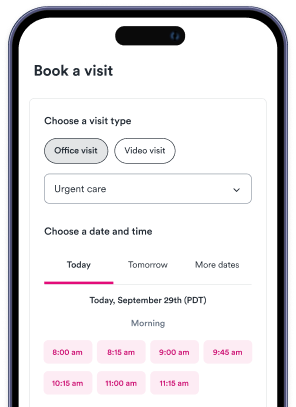
Urgent care near me
On-demand lab testing
Ensure your health. Get tested today.
Convenient lab testing at your fingertips at more than 5,000 locations nationally. Consult with a doctor, or get tested on your own.
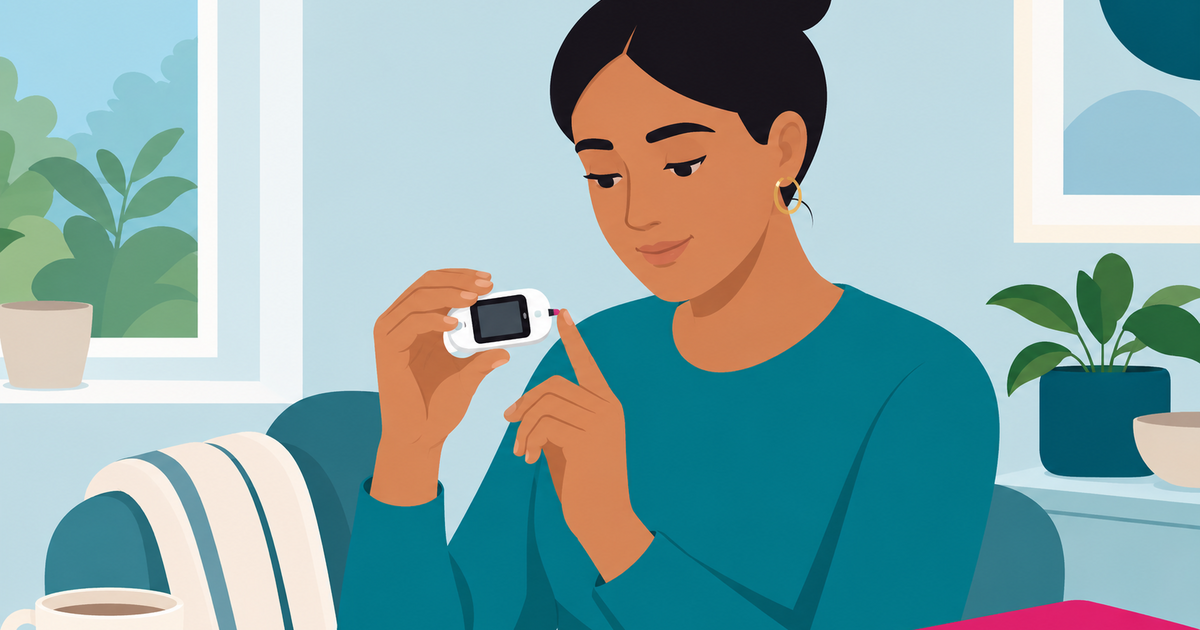
Blood sugar might not be something you think about every day, but it plays a huge role in how you feel, both in the moment and over time. Your body uses blood sugar, or glucose, as its primary source of energy, and when levels are out of balance, it can lead to symptoms such as fatigue, mood swings, brain fog, and even cravings. Over the long term, consistently high or low blood sugar can increase your risk for serious health conditions like type 2 diabetes or heart disease. That’s why it’s important to understand how your blood sugar works and when it might be time to get tested.
Whether you’re dealing with unexplained symptoms, have a family history of diabetes, or just want to stay on top of your health, checking your blood sugar can give you valuable insight into how your body is functioning and what steps you might need to take next.
Blood sugar tests are one of many panels urgent care and walk-in labs can run same-day—see our complete guide to lab tests for what to expect.
Elevated blood sugar often correlates with higher A1C levels. Our article on what a high A1C means even without a diabetes diagnosis breaks down the distinction.
Blood sugar, also called glucose, is the main type of sugar in your blood, and it’s your body’s go-to source of energy. You get glucose from the food you eat, especially carbohydrates like bread, fruit, and pasta. Once digested, that sugar travels through your bloodstream and gets delivered to your cells to keep you moving, thinking, and functioning throughout the day. But when blood sugar levels stay too high or too low for too long, it can cause serious health issues. Constant highs may be a warning sign of prediabetes or type 2 diabetes, while frequent lows can leave you feeling shaky, dizzy, or exhausted. That’s why keeping your blood sugar in a healthy range matters; it helps you feel better now and protects your health in the long run.
Knowing what counts as a normal blood sugar level can help you better understand your health and catch potential problems early:
These numbers may seem small, but they offer big clues about how your body is processing food, and whether it’s time to take action to protect your health.
Your body usually does a great job keeping your blood sugar in balance, but when things get off track, you might start to notice some symptoms.
Both high and low blood sugar levels can sneak up on you, so it’s important to pay attention to how your body feels, especially if you have risk factors like diabetes or insulin resistance. Catching these signs early can help you get things back in balance before they become a bigger issue.
Getting your blood sugar tested is a simple step that can give you a lot of insight into your overall health, especially if you’re at risk for diabetes. It’s a good idea to get tested if you’re over 45, carry extra weight, have a family history of diabetes, or live a mostly sedentary lifestyle. But age and genetics aren’t the only reasons to check in.
If you’re dealing with symptoms like constant fatigue, blurry vision, frequent urination, or unexplained weight changes, your body might be trying to tell you that your blood sugar is out of balance. Blood sugar testing is also a routine part of annual checkups and wellness visits, and it’s especially important during pregnancy to screen for gestational diabetes.
If you’ve already been diagnosed with diabetes or prediabetes, regular testing is key to keeping things under control and adjusting your care plan as needed.
There are several methods for testing your blood sugar, and each provides a slightly different view of how your body is managing glucose:
Each test plays a different role, but together, they help give a fuller picture of your blood sugar health.
If you think it’s time to check your blood sugar, the good news is that there are several easy ways to get tested.
Once you receive your blood sugar test results, it’s essential to understand what they mean and what steps to take next:
Whatever your result, knowing your numbers gives you the power to take control of your health moving forward.
If you're curious about your blood sugar levels or experiencing symptoms, don’t wait; use Solv to book same-day testing at a nearby urgent care center or lab and get the answers you need to take control of your health.
Blood sugar is one of several key markers in an annual lab panel—see our guide to common lab tests to get every year for the full list.
Blood sugar, also known as glucose, is the main type of sugar in your blood and is your body's primary source of energy. It is derived from the food you eat, particularly carbohydrates. Maintaining a balance in blood sugar levels is crucial because consistently high or low levels can lead to serious health conditions such as type 2 diabetes or heart disease. High blood sugar levels could be a sign of prediabetes or type 2 diabetes, while frequent low levels can cause fatigue and dizziness.
Normal blood sugar levels after fasting (not eating for at least 8 hours) range between 70 and 99 mg/dL. Levels between 100 and 125 mg/dL may indicate prediabetes, and levels of 126 mg/dL or higher on two separate tests typically point to diabetes. After eating, blood sugar naturally rises, but it should stay under 140 mg/dL if your body is handling glucose properly.
High blood sugar, or hyperglycemia, can cause symptoms like increased thirst, frequent urination, fatigue, foggy thinking, blurred vision, and slow healing of cuts and scrapes. Low blood sugar, or hypoglycemia, can cause shakiness, sweating, irritability, dizziness, and in severe cases, confusion or disorientation.
It is recommended to get your blood sugar tested if you're over 45, carry extra weight, have a family history of diabetes, or live a mostly sedentary lifestyle. Additionally, if you're experiencing symptoms like constant fatigue, blurry vision, frequent urination, or unexplained weight changes, it might be time to get tested. Regular testing is also crucial if you've already been diagnosed with diabetes or prediabetes.
There are several methods for testing blood sugar. A fasting blood glucose test requires you to avoid eating or drinking anything except water for about 8 hours before the test. The A1C test shows your average blood sugar levels over the past 2 to 3 months. An oral glucose tolerance test involves drinking a sweet liquid and checking your blood sugar at intervals afterward. The random glucose test can be done at any point during the day, regardless of when you last ate.
Convenient lab testing at your fingertips at more than 5,000 locations nationally. Consult with a doctor, or get tested on your own.

Dr. Linda Halbrook is a Board-Certified Family Medicine physician with over 40 years of experience, dedicated to providing comprehensive care to patients across Texas. She retired from practice but currently serves on the Clinical Services Committee of CommonGood Medical, a non-profit organization serving the uninsured in Collin County.
Medically reviewed
View this article's sources and history, and read more about Solv's Content Mission Statement, editorial process, and editorial team.
Solv has strict sourcing guidelines and relies on peer-reviewed studies, academic research institutions, and medical associations. We avoid using tertiary references.
Solv’s team of medical writers and experts review and update our articles when new information becomes available.
Written by Solv Editorial Team
Medically reviewed by: Dr. Rob Rohatsch, MD
Edited by Solv Editorial Team
Edited by Solv Editorial Team
Edited by Solv Editorial Team
Edited by Solv Editorial Team
Edited by Solv Editorial Team
Edited by Solv Editorial Team
Convenient lab testing at your fingertips at more than 5,000 locations nationally. Consult with a doctor, or get tested on your own.