Urgent care near me
Wegovy pill from $149/month
The FDA-approved weight loss pill is here
No injections. Just once-daily Wegovy® with proven results—up to 17% average weight loss in trials.
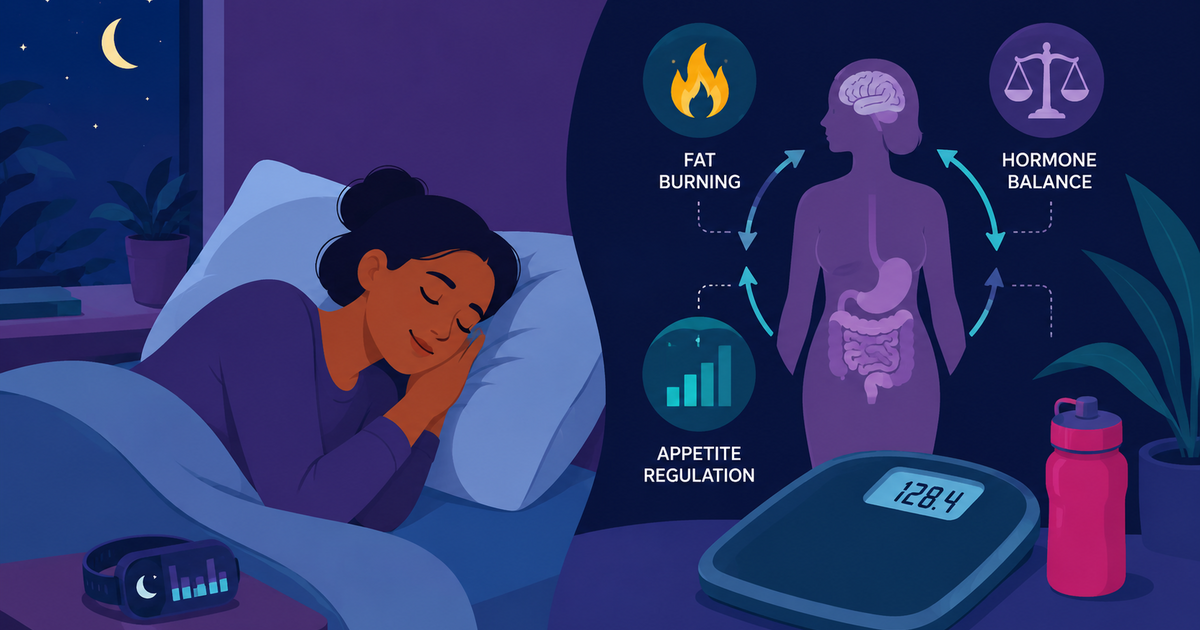
If you’re doing everything right, eating well, moving your body, staying consistent, but the scale still won’t budge, your sleep habits might be the missing piece. Sleep plays a huge role in how your body manages weight, hunger, and metabolism. When you don’t get enough rest, your body produces more of the stress hormone cortisol, which can trigger fat storage, especially around your belly. Poor sleep also messes with hunger hormones like ghrelin and leptin, making you crave sugary or high-calorie foods and feel less satisfied after eating. Additionally, being tired can make it harder to stick to your healthy habits, whether that’s skipping a workout or reaching for caffeine and snacks to get through the day.
Read on to learn how getting consistent, quality sleep isn’t just good for your mood; it’s a powerful (and often overlooked) tool for weight loss.
Your metabolism is basically your body’s engine; it’s the process that turns the food you eat into energy you can use. And while we often think of diet and exercise when it comes to keeping that engine running smoothly, sleep plays a huge behind-the-scenes role. During deep sleep, your body goes into repair mode: it restores tissues, regulates important hormones, and resets your metabolism for the next day. But when you don’t get enough quality rest, your metabolism starts to drag. Over time, chronic sleep deprivation can lower your resting metabolic rate, which means your body burns fewer calories even while you’re doing nothing. So if your energy feels low and weight loss feels stalled, prioritizing sleep could give your metabolism the reboot it needs.
When you don’t get enough sleep, it doesn’t just make you tired; it can throw your hunger hormones completely out of balance. Ghrelin, the hormone that tells you you’re hungry, goes up, while leptin, the hormone that signals fullness, goes down. That means you’re more likely to feel hungrier than usual and less likely to feel satisfied after eating, which can lead to overeating, especially those high-calorie, high-carb comfort foods your tired brain craves. To make things worse, poor sleep can also raise your cortisol levels, a stress hormone linked to increased belly fat and stronger food cravings. So if you’ve been wondering why you’re always reaching for snacks after a rough night’s sleep, it’s not just lack of willpower; it’s biology. Getting good sleep helps reset those hunger signals so your body can regulate appetite the way it’s meant to.
Sleep deprivation doesn’t just mess with your hormones; it can sneakily lead to weight gain in other ways, too. When you’re tired, you naturally have less energy to move, making it harder to find the motivation to work out or even stay active throughout the day. You’re also awake for more hours, which creates more chances to snack, especially late at night when your willpower is already running low.
On top of that, a lack of sleep affects your brain’s ability to make smart decisions, so you're more likely to reach for fast, easy comfort foods instead of something nutritious. It's not just about being lazy or hungry, it’s your sleep-deprived brain and body working against you.
If you’re trying to lose weight, getting enough sleep is just as important as eating well and exercising. Most adults need about 7 to 9 hours of sleep each night to support healthy metabolism, energy, and recovery. But it’s not just about how long you sleep; quality matters, too. Light or interrupted sleep doesn’t give your body the deep rest it needs to repair, balance hormones, and burn fat efficiently.
Not sure if you’re getting enough restorative sleep? Signs include waking up still feeling tired, struggling with brain fog or mood swings, and hitting a weight loss plateau even when your routine hasn’t changed.
Improving your sleep doesn’t have to be complicated, and small changes can make a big difference when it comes to supporting your weight and metabolism:
If you’ve been doing all the right things, keeping a regular sleep schedule, eating well, staying active, but you’re still exhausted or struggling to lose weight, it might be time to talk to a doctor. Persistent sleep problems, like trouble falling or staying asleep, could be a sign of a sleep disorder such as insomnia or sleep apnea, which often go undiagnosed. These conditions don’t just leave you tired; they can seriously affect your metabolism, mood, and weight. And if your weight gain feels unexplained or sudden, even with a healthy routine, a doctor can run lab tests to check for underlying issues like thyroid problems, hormonal imbalances, or other metabolic concerns.
If poor sleep or unexplained weight changes are holding you back, it might be time to dig deeper. Use Solv to find local providers who offer sleep assessments, lab testing, and personalized weight loss support, all with same-day or next-day availability.
Some people turn to supplements to offset sleep-related metabolic slowdown—see which weight loss supplements have evidence behind them.
For a full picture of fat-loss levers beyond sleep, see our guide on how to lose body fat with science-backed strategies.
Sleep plays a significant role in managing weight, hunger, and metabolism. Lack of enough rest leads to an increase in the stress hormone cortisol, which can trigger fat storage. It also disrupts hunger hormones, leading to cravings for sugary or high-calorie foods and less satisfaction after eating. Furthermore, feeling tired can make it challenging to maintain healthy habits like regular exercise and a balanced diet.
Metabolism, the process that converts food into energy, is significantly influenced by sleep. During deep sleep, the body goes into repair mode, restoring tissues, regulating hormones, and resetting metabolism for the next day. Lack of quality sleep can cause metabolism to slow down, leading to a lower resting metabolic rate and fewer calories burned.
Insufficient sleep can disrupt the balance of hunger hormones. Ghrelin, the hormone that signals hunger, increases, while leptin, the hormone that signals fullness, decreases. This imbalance can lead to increased hunger, reduced satisfaction after eating, and cravings for high-calorie, high-carb foods. Poor sleep can also raise cortisol levels, a stress hormone linked to increased belly fat and stronger food cravings.
Most adults need about 7 to 9 hours of sleep each night to support a healthy metabolism, energy levels, and recovery. However, the quality of sleep is also important. Light or interrupted sleep does not provide the deep rest needed for the body to repair, balance hormones, and burn fat efficiently.
Improving sleep can involve setting a consistent sleep schedule, creating a calming bedtime routine, and controlling what you eat and drink before bed. Regular movement during the day can also promote better sleep. Additionally, maintaining a cool, dark, and quiet sleep environment can facilitate deep, restorative sleep. If persistent sleep problems persist despite these efforts, it may be necessary to consult a doctor.
No injections. Just once-daily Wegovy® with proven results—up to 17% average weight loss in trials.

Dr. Linda Halbrook is a Board-Certified Family Medicine physician with over 40 years of experience, dedicated to providing comprehensive care to patients across Texas. She retired from practice but currently serves on the Clinical Services Committee of CommonGood Medical, a non-profit organization serving the uninsured in Collin County.
Medically reviewed
View this article's sources and history, and read more about Solv's Content Mission Statement, editorial process, and editorial team.
Solv has strict sourcing guidelines and relies on peer-reviewed studies, academic research institutions, and medical associations. We avoid using tertiary references.
Solv’s team of medical writers and experts review and update our articles when new information becomes available.
Written by Solv Editorial Team
Medically reviewed by: Dr. Rob Rohatsch, MD
Edited by Solv Editorial Team
Edited by Solv Editorial Team
Edited by Solv Editorial Team
Edited by Solv Editorial Team
Edited by Solv Editorial Team
No injections. Just once-daily Wegovy® with proven results—up to 17% average weight loss in trials.