Urgent care near me
 Key points
- Most food poisoning resolves without treatment in 24–48 hours through rest and fluid replacement at home.
- Warning signs that require medical evaluation include bloody diarrhea, fever above 102°F, inability to keep fluids down for more than 24 hours, and signs of dehydration.
- IV fluid replacement is the most common urgent care treatment for moderate dehydration from food poisoning.
- Older adults, young children, pregnant women, and immunocompromised individuals should seek care sooner.
- Certain bacteria — including Listeria, E. coli O157:H7, and Salmonella — can cause more serious illness requiring antibiotics or hospitalization in some cases.
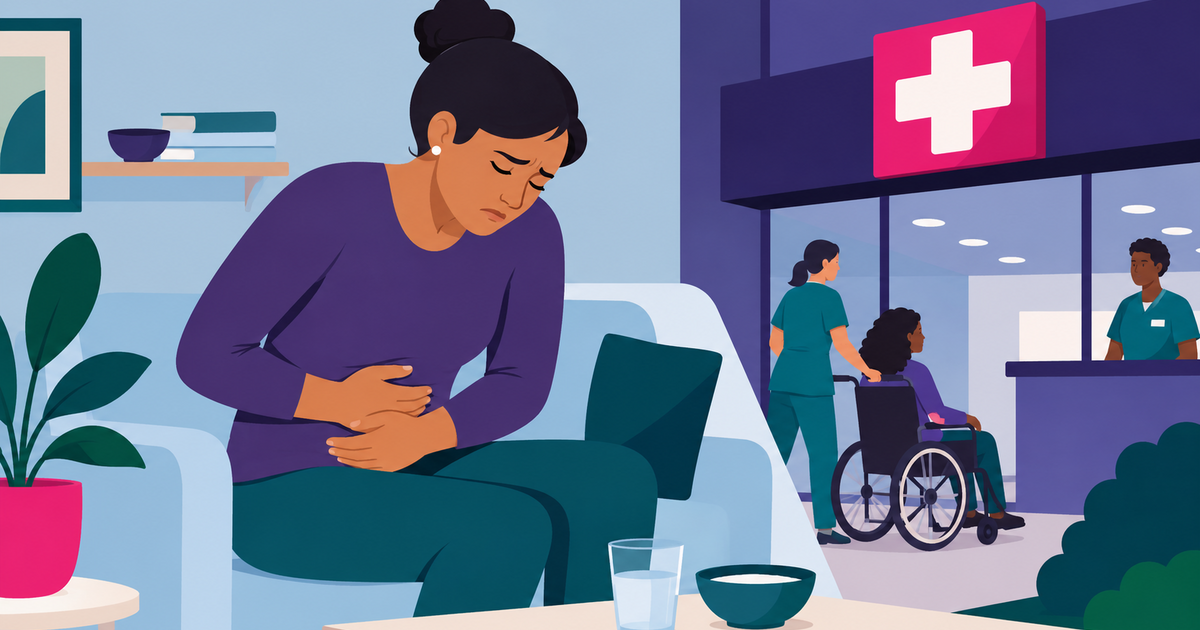
Food poisoning is one of those experiences almost everyone has at some point — the sudden cramping, nausea, and urgent trips to the bathroom that follow a meal that didn't sit right. The good news is that the majority of foodborne illness cases resolve on their own within one to two days. The more important question is knowing when your symptoms have crossed a line that warrants a visit to urgent care or even the emergency room. Understanding that distinction can save you from unnecessary worry on one end — and from waiting too long on the other.
What causes food poisoning?
Foodborne illness is caused by eating food or drinking water contaminated with bacteria, viruses, parasites, or their toxins. The most common culprits in the United States include Salmonella, Campylobacter, Clostridium perfringens, Staphylococcus aureus, Norovirus, and E. coli. Recently, Cyclospora has been causing illness. According to the Centers for Disease Control and Prevention, roughly 48 million Americans experience foodborne illness each year, resulting in about 128,000 hospitalizations and 3,000 deaths — most of those in high-risk populations.
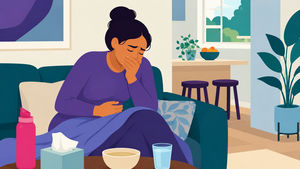
Symptoms typically begin anywhere from 30 minutes to several days after exposure, depending on the pathogen. Nausea, vomiting, diarrhea, stomach cramps, and low-grade fever are the hallmark signs. Most cases are self-limiting, meaning the body clears the infection without medical intervention. Home management focuses on rest and staying hydrated by replacing fluids and electrolytes lost through vomiting and diarrhea.
How to manage mild food poisoning at home
For otherwise healthy adults and older children with mild symptoms, home care is usually appropriate. The priority is staying ahead of dehydration. Plain water helps, but oral rehydration solutions that contain both sodium and glucose are more effective at replacing what the body loses during vomiting and diarrhea. Sports drinks can work in a pinch, though they're higher in sugar than ideal. Broth and diluted juice are reasonable alternatives.
Eating solid food while actively vomiting isn't necessary, but once nausea begins to ease, sticking to bland, easy-to-digest foods — crackers, toast, rice, bananas — can help settle the stomach. Dairy, fatty foods, and caffeine are best avoided until you've fully recovered. In most mild cases caused by common bacteria like Staphylococcus aureus or Bacillus cereus, symptoms peak within a few hours and resolve within 24 hours. Salmonella and Campylobacter infections tend to last 3–7 days.
Warning signs that mean you need urgent care
Certain symptoms should prompt a same-day visit to urgent care rather than continued home management. These red flags indicate either a more serious infection or a level of dehydration the body cannot correct on its own:
- Bloody or black diarrhea
- Fever above 102°F (38.9°C)
- Inability to keep any fluids down for more than 24 hours
- No urination for 8 or more hours
- Dizziness or lightheadedness when standing
- Extreme fatigue or weakness
- Symptoms lasting more than three days without improvement
Dehydration is by far the most common reason food poisoning patients need medical care. Signs include a dry or sticky mouth, sunken eyes, dark yellow urine, and in severe cases, confusion or rapid heartbeat. Urgent care clinics can assess your hydration status, administer IV fluids when needed, and run tests to identify the specific pathogen if necessary. Stool cultures can guide antibiotic decisions in cases involving specific bacteria like Salmonella or Campylobacter, though antibiotics are not appropriate for every type of food poisoning and can sometimes make certain infections worse.
High-risk groups who should seek care sooner
Most healthy adults can tolerate a day or two of GI illness without medical intervention. But several groups are at substantially higher risk for serious complications and should have a lower threshold for seeking care:
- Adults 65 and older, whose immune response is less robust
- Children under 5, especially infants, who dehydrate rapidly
- Pregnant women, because pathogens like Listeria can cross the placenta and harm the fetus
- People with weakened immune systems due to conditions like HIV, cancer treatment, or organ transplant medications
- Anyone with chronic kidney disease, diabetes, or liver disease
Listeria monocytogenes is a particular concern during pregnancy. It can cause miscarriage, stillbirth, premature delivery, or serious illness in newborns even when the mother has only mild flu-like symptoms. Pregnant women who suspect Listeria exposure — typically through deli meats, soft cheeses, smoked seafood, or raw sprouts — should contact a provider promptly. E. coli O157:H7 can cause hemolytic uremic syndrome, a life-threatening kidney complication most common in young children. Bloody diarrhea in a young child should always be evaluated urgently.
When food poisoning becomes an emergency
Some situations call for the emergency room rather than urgent care. Neurological symptoms are a key indicator — blurred or double vision, slurred speech, difficulty swallowing, or muscle weakness after eating canned or preserved foods may suggest botulism, a rare but potentially fatal illness caused by Clostridium botulinum toxin. Botulism requires immediate emergency evaluation and antitoxin treatment.
Also head to the ER if you experience severe abdominal pain that feels different from typical cramps, or if you suspect you are severely dehydrated — defined by rapid heart rate, inability to stand without fainting, or confusion. Pregnant women with any systemic symptoms beyond mild GI upset should go to the ER, as should anyone who appears severely ill or is not improving despite adequate home hydration attempts.
What urgent care can do for food poisoning
Urgent care is well-equipped to handle most moderate food poisoning presentations. A provider can take a thorough history to identify the likely pathogen based on the type of food consumed, the incubation period, and the nature of the symptoms. They can assess your hydration status physically and may order basic labs to evaluate kidney function and electrolyte levels. IV fluids can be administered on-site in most urgent care settings and typically provide significant relief within an hour or two for dehydrated patients. Stool cultures can be ordered, though results take several days and treatment decisions are usually made on clinical grounds in the meantime. Anti-nausea medication can also be prescribed if vomiting has been relentless and is preventing fluid intake. For most healthy adults, one visit to urgent care with IV hydration is sufficient to turn the corner.
When to visit urgent care
If you're dealing with food poisoning and symptoms are escalating rather than improving, don't wait it out hoping things will change. Urgent care is the right first stop for fever above 102°F, bloody diarrhea, signs of dehydration, or symptoms that have lasted more than three days. High-risk patients — pregnant women, young children, older adults, and the immunocompromised — should call or visit sooner. Solv makes it easy to find a nearby urgent care clinic, check wait times, and book a same-day appointment so you can get back on your feet faster.
Frequently asked questions
How long does food poisoning usually last?
Most cases caused by common bacteria like Staph aureus or Bacillus cereus resolve within 24 hours. Salmonella and Campylobacter infections typically clear within 3–7 days. If symptoms persist beyond a week, see a provider.
What are the signs I'm dehydrated from food poisoning?
Signs include dry mouth, dark yellow urine, dizziness when standing, no urination for 8+ hours, and confusion. Moderate to severe dehydration is the most common reason food poisoning patients need urgent care.
Should I take anti-diarrheal medication for food poisoning?
In most mild cases, anti-diarrheal medications like loperamide are fine. However, avoid them if you have bloody diarrhea or fever over 102°F, as they can slow elimination of toxin-producing bacteria and prolong illness.
Can urgent care treat food poisoning?
Yes. Urgent care can assess hydration status, provide IV fluids if needed, order stool cultures, and prescribe antibiotics in specific bacterial cases. For most healthy adults with uncomplicated food poisoning, home care is sufficient.
When is food poisoning an ER situation?
Go to the ER if you have severe abdominal pain, neurological symptoms (blurred vision, muscle weakness, difficulty speaking), you're pregnant and symptomatic, or are extremely dehydrated.

Dr. Linda Halbrook is a Board-Certified Family Medicine physician with over 40 years of experience, dedicated to providing comprehensive care to patients across Texas. She retired from practice but currently serves on the Clinical Services Committee of CommonGood Medical, a non-profit organization serving the uninsured in Collin County.
How we reviewed this article
Medically reviewed
View this article's sources and history, and read more about Solv's Content Mission Statement, editorial process, and editorial team.
6 sources
Solv has strict sourcing guidelines and relies on peer-reviewed studies, academic research institutions, and medical associations. We avoid using tertiary references.
- Food safety: foodborne illness and germs. (April 15, 2024)
- Foodborne illness: what consumers need to know. (January 31, 2023)
- Food poisoning. (December 1, 2022)
- Listeria . (November 18, 2022) (listeriosis)
- E. coli and food safety. (June 8, 2023)
- Diagnosis and management of foodborne illness. (April 1, 2012)
Solv’s team of medical writers and experts review and update our articles when new information becomes available.
August 12 2026
Written by Solv Editorial Team
Medically reviewed by: Dr. Rob Rohatsch, MD