Urgent care near me
 Key points
- Annual physicals typically cost $100–$250 at urgent care or retail clinics and $150–$350+ at a primary care office without insurance.
- Lab tests, vaccines, and screenings are usually billed separately and can add $50–$300 or more to your total cost.
- Federally qualified health centers (FQHCs) offer sliding-scale fees as low as $20 based on household income.
- Asking for a self-pay or time-of-service rate can cut your bill by 10–30% at many providers.
- Under the ACA, preventive visits are covered at no cost in-network — even a low-premium plan can cover the full cost of a yearly exam.
Without insurance, an annual physical typically costs $100 to $300 at a retail clinic or urgent care and $150 to $350+ at a primary care office, depending on location, provider type, and what gets ordered alongside the exam. Lab tests, vaccines, and screenings can easily double the base visit price — so knowing what to expect before you book can save you money and surprises.
What does an annual physical typically cost without insurance?
Self-pay prices for a basic adult physical generally fall into a few buckets:
- Retail clinic or urgent care: $100–$250 for a basic exam.
- Primary care office: $150–$350+, with the higher end reflecting more time, more screening counseling, or a more experienced provider.
- Federally qualified health center (FQHC) or community clinic: Often $20–$150 on a sliding scale based on household income.
- Direct primary care (DPC) membership: $50–$150 per month, covering unlimited visits and many preventive services.
The exam itself is only part of the bill. Lab tests, vaccines, an EKG, or imaging are usually billed separately and can add $50–$300 or more.
Why do prices vary so much?
Three factors account for most of the difference:
- Where you go. Hospital-affiliated clinics charge more than independent practices because they bill a facility fee on top of the visit. Retail clinics and urgent care typically have the lowest cash prices.
- What is included. A "basic physical" may cover only the exam, blood pressure check, and health history. Bloodwork, vaccines, and screenings — like a Pap test, prostate exam, or vision check — are often quoted separately.
- Where you live. Self-pay rates vary by metro area. The same labs and exam can cost significantly more in a high-cost region than in a lower-cost one.
What is included in a typical annual physical?
A standard adult exam usually covers vital signs, medical and medication history, heart and lung exam, skin and musculoskeletal screening, age-appropriate cancer and chronic disease screening recommendations, and vaccine review. Counseling on lifestyle factors — sleep, alcohol, tobacco, and exercise — is also standard. Add-ons like bloodwork, EKG, vision check, or vaccine administration are priced separately.
The U.S. Preventive Services Task Force publishes evidence-based recommendations for which screenings adults should get based on age and risk — including blood pressure, cholesterol, diabetes, and certain cancers. Finding these conditions early is dramatically cheaper than treating them after they progress.1
How to lower the cost
- Ask for the self-pay rate. Many offices discount 10–30% if you skip insurance billing and pay at the time of service.
- Compare retail clinics and urgent care. For a routine adult exam, these options often run several hundred dollars less than a hospital-affiliated office.
- Use a community health center. FQHCs offer sliding-scale fees based on income, sometimes as low as $20. Find one at the HRSA directory.5
- Shop bloodwork separately. Direct-to-consumer labs publish cash prices, and a basic preventive panel is often cheaper than a hospital-billed equivalent.
- Check ACA marketplace coverage. In-network preventive visits and many screenings are covered at no cost under the Affordable Care Act.4
- Use an FSA or HSA. Pre-tax dollars from a flexible or health savings account can offset the cost of an annual physical.
When to visit urgent care for a physical
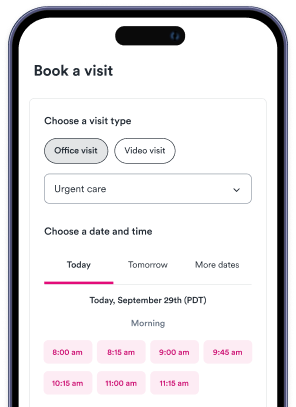
If you need a physical quickly — for a new job, school enrollment, a sports clearance, or a DOT requirement — urgent care is typically the fastest and most affordable option. Many urgent care clinics offer same-day adult physicals, can order basic preventive labs at the same visit, and publish upfront self-pay pricing. Use Solv to find a nearby urgent care that offers physicals and check pricing before you book.
Frequently asked questions
How much does an annual physical cost without insurance?
Without insurance, a basic adult physical typically costs $100–$250 at a retail clinic or urgent care, and $150–$350+ at a primary care office. Lab tests and screenings ordered at the same visit are usually billed separately.
What is usually included in an annual physical exam?
A standard physical includes vital signs, medical and medication history, heart and lung exam, skin and musculoskeletal screening, age-appropriate screening recommendations, and vaccine review. Add-ons like bloodwork, EKG, or imaging are priced separately.
Can urgent care do annual physicals?
Yes. Many urgent care clinics offer same-day adult physicals for jobs, sports clearances, DOT requirements, and general preventive care. They typically have the lowest self-pay prices and can often order basic labs at the same visit.
How can I get a physical for free or low cost?
Federally qualified health centers (FQHCs) offer sliding-scale fees based on income, sometimes as low as $20. If you have ACA marketplace insurance, in-network preventive visits are covered at no cost.
Does insurance cover annual physicals?
Under the Affordable Care Act, in-network preventive visits and recommended screenings are covered at no cost with ACA-compliant insurance. With other plans, check your benefits — a well-visit may be covered differently than a sick visit.
Is an annual physical worth it without insurance?
Generally yes. Catching high blood pressure, high cholesterol, or early-stage conditions through routine screening is far less expensive than treating them after they progress. The USPSTF recommends specific screenings for adults based on age and risk.

How we reviewed this article
Medically reviewed
View this article's sources and history, and read more about Solv's Content Mission Statement, editorial process, and editorial team.
6 sources
Solv has strict sourcing guidelines and relies on peer-reviewed studies, academic research institutions, and medical associations. We avoid using tertiary references.
- U.S. Preventive Services Task Force. A and B Recommendations. (January 2025)
- MedlinePlus. Health Screening. (April 2023)
- National Center for Biotechnology Information. Evidence Brief: Role of the Annual Comprehensive Physical Examination in the Asymptomatic Adult. (January 2015)
- HealthCare.gov. Preventive Care Benefits for Adults. (2024)
- Health Resources and Services Administration. Find a Health Center. (2024)
- Centers for Disease Control and Prevention. Recommended Adult Immunization Schedule. (February 2025)
Solv’s team of medical writers and experts review and update our articles when new information becomes available.
March 18 2022
Written by Solv Editorial Team
Medically reviewed by: Dr. Rob Rohatsch, MD
August 19 2024
Edited by Solv Editorial Team
April 28 2026
Edited by Solv Editorial Team
May 01 2026
Edited by Solv Editorial Team
May 03 2026
Edited by Solv Editorial Team
May 06 2026
Edited by Solv Editorial Team
May 23 2026
Edited by Solv Editorial Team
June 03 2026
Edited by Solv Editorial Team