Urgent care near me
On-demand lab testing
Ensure your health. Get tested today.
Convenient lab testing at your fingertips at more than 5,000 locations nationally. Consult with a doctor, or get tested on your own.
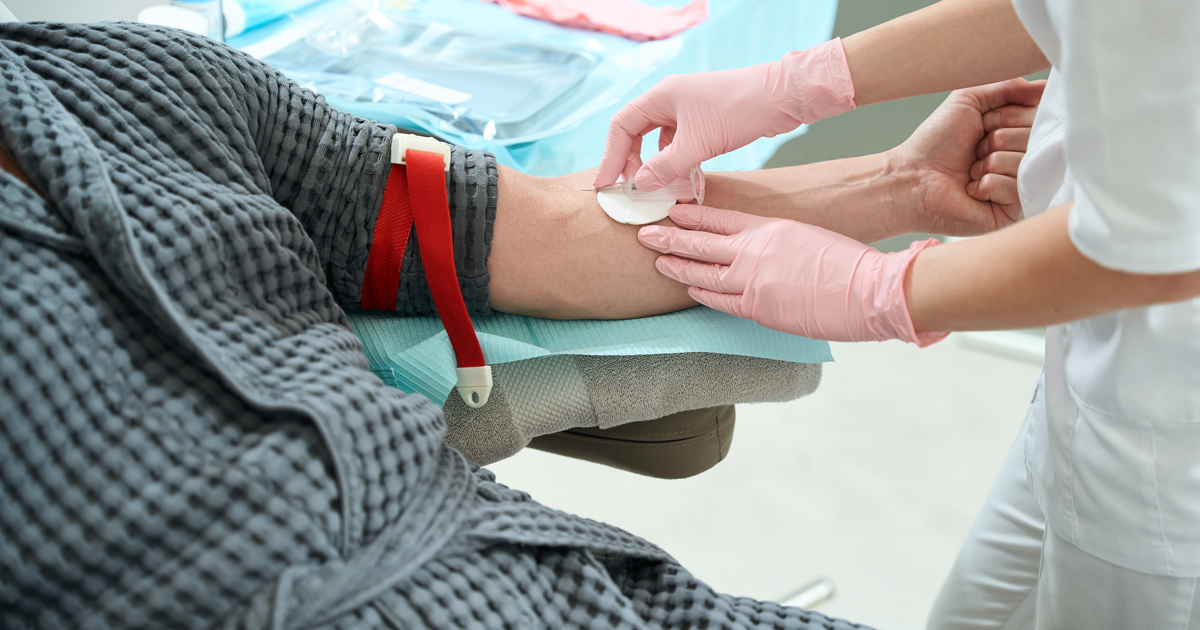
Inflammatory markers are blood test results that show whether the body is responding to an infection, injury, or chronic disease. The most commonly ordered tests are C-reactive protein (CRP), high-sensitivity CRP (hs-CRP), erythrocyte sedimentation rate (ESR), ferritin, and fibrinogen. Elevated values tell a clinician that inflammation is present, but they do not pinpoint the cause on their own.1,2
Inflammation is the body's protective response to harm. When tissues are damaged or pathogens are detected, the liver and immune cells release proteins that circulate in the blood. Lab tests measure these proteins to gauge how active the inflammatory response is.1 Most markers are nonspecific, meaning a single elevated result does not identify which organ or process is involved.
C-reactive protein (CRP): A protein made by the liver that rises within hours of acute inflammation. Standard CRP is used to evaluate active infection, autoimmune flares, and post-surgical recovery.2
High-sensitivity CRP (hs-CRP): A more sensitive version of the same assay used to assess long-term cardiovascular risk in adults without known heart disease.3
Erythrocyte sedimentation rate (ESR): Measures how quickly red blood cells settle in a tube. Higher rates suggest chronic inflammation. ESR rises and falls more slowly than CRP, so the two tests are often ordered together.4
Ferritin: Stores iron, but levels also rise sharply during inflammation, making it a useful acute-phase reactant in the right clinical context.5
Fibrinogen: A clotting protein that increases with inflammation and has been studied as a marker of cardiovascular risk.1
Reference ranges vary by lab and assay, but typical adult values are:
CRP: less than 10 mg/L. Values above this suggest active inflammation, with very high results (above 100 mg/L) often pointing to bacterial infection.2
Hs-CRP cardiovascular risk categories: less than 1 mg/L is low risk, 1 to 3 mg/L is average risk, and greater than 3 mg/L is high risk.3
ESR: roughly 0 to 22 mm/hr in men and 0 to 29 mm/hr in women, with higher upper limits in older adults.4
Ferritin: about 24 to 336 ng/mL in men and 11 to 307 ng/mL in women, though ranges differ by lab.5
A single elevated result is usually followed by a clinical evaluation, additional labs, or imaging to identify the underlying condition.
Clinicians order these tests to help diagnose and monitor a range of conditions, including suspected infection, autoimmune diseases such as rheumatoid arthritis or lupus, inflammatory bowel disease, vasculitis, and certain cancers.1,4 Hs-CRP is also used to refine cardiovascular risk estimates in select patients.3
Many urgent care centers can draw blood and run basic inflammatory tests like CRP either onsite or through a partner lab. Urgent care is well suited for symptoms such as fever of unclear origin, suspected wound infection, or worsening joint pain. For ongoing monitoring of a chronic autoimmune or cardiovascular condition, primary care or a specialist is generally the better setting.
The most effective way to lower an elevated marker is to treat the underlying cause. Modifiable contributors include smoking, excess body weight, poor sleep, and a low-quality diet. Regular physical activity, a Mediterranean-style diet, and cessation of tobacco have all been associated with reductions in CRP and other markers.3 Anyone with persistently high values should speak with their clinician before starting supplements or anti-inflammatory medications.
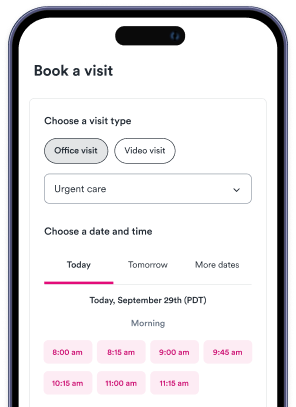
If you have symptoms of infection, an autoimmune flare, or are due for a cardiovascular risk check, a same-day visit can help. Find a Solv urgent care or primary care location nearby, book a slot online, and see a clinician who can order the right labs and explain your results.
Most inflammatory marker tests, including CRP and ESR, do not require fasting. If your provider orders a lipid panel or glucose test at the same time, fasting may be needed; ask the lab when you book your draw.
Standard turnaround is one to three days for most outpatient labs, though some urgent care and emergency settings can run a rapid CRP onsite in under an hour.
Yes. Vigorous exercise within 24 hours, acute psychological stress, pregnancy, and recent vaccinations can all temporarily raise CRP and ESR. Your clinician will factor these in when interpreting results.
CRP, ESR, and ferritin are routinely covered when ordered for a medical reason. Coverage for hs-CRP as a screening test for cardiovascular risk varies by plan; check with your insurer or ask the clinic for the cash price if you are uninsured.
The same protein is being measured, but hs-CRP uses a more sensitive assay that can detect very low concentrations. Standard CRP is best for tracking active infection or autoimmune flares; hs-CRP is used for long-term cardiovascular risk assessment.
Often, yes. A single elevated marker may reflect a recent illness, injury, or vaccine. Most clinicians recommend a repeat test in two to four weeks once you are symptom-free to confirm whether inflammation is truly persistent.
Convenient lab testing at your fingertips at more than 5,000 locations nationally. Consult with a doctor, or get tested on your own.

Medically reviewed
View this article's sources and history, and read more about Solv's Content Mission Statement, editorial process, and editorial team.
Solv has strict sourcing guidelines and relies on peer-reviewed studies, academic research institutions, and medical associations. We avoid using tertiary references.
Solv’s team of medical writers and experts review and update our articles when new information becomes available.
Written by Solv Editorial Team
Medically reviewed by: Dr. Rob Rohatsch, MD
Edited by Solv Editorial Team
Edited by Solv Editorial Team
Edited by Solv Editorial Team
Edited by Solv Editorial Team
Convenient lab testing at your fingertips at more than 5,000 locations nationally. Consult with a doctor, or get tested on your own.