Urgent care near me
 Key points
- Consuming fruits and vegetables rich in antioxidants, fiber, and essential vitamins can strengthen the immune system.
- Quality sleep aids the body in producing infection-fighting cells, thus boosting the immune response.
- Regular moderate exercise can enhance circulation, reduce inflammation, and improve mood, thereby strengthening the immune system.
- Certain supplements like Vitamin C, Zinc, Vitamin D, elderberry, echinacea, and probiotics may help support immune health.

Staying healthy during cold and flu season isn’t just about avoiding germs; it’s also about strengthening your immune system from the inside out. While natural remedies and supplements aren’t foolproof, certain habits can go a long way in helping your body fight off illness more effectively. A strong immune system doesn’t come from one magical food or vitamin; it’s built through small, daily choices, such as eating well, getting enough sleep, staying active, and managing stress. The good news? These habits don’t just protect you during flu season; they support your overall health year-round. Let’s explore some simple, natural ways to give your immune system the boost it deserves:
1. Eat more fruits and vegetables
One of the easiest and most effective ways to support your immune system is by loading up on fruits and vegetables. These colorful foods are rich in antioxidants, fiber, and essential vitamins like C and A; all of which play a key role in keeping your immune defenses strong. Think of bell peppers, citrus fruits, garlic, berries, and leafy greens as your daily allies in boosting your immune system. Plus, they feed the good bacteria in your gut, which is where much of your immune system actually lives.
2. Prioritize quality sleep
Getting enough quality sleep is one of the most underrated ways to boost your immune system. While you sleep, your body is hard at work repairing itself and producing infection-fighting cells. So when you don’t get enough rest, your immune response can take a hit. In fact, even a single night of poor sleep can lower your body’s ability to fight off viruses. Try to aim for 7 to 9 hours of sleep each night and stick to a consistent bedtime routine. Your immune system will thank you for it, and you’ll likely feel more energized and focused during the day, too.
3. Get regular movement
Getting regular movement into your day isn’t just good for your heart or muscles—it can also help keep your immune system strong. Moderate exercise, like walking, yoga, or light strength training, boosts circulation and helps immune cells move more efficiently through your body. It also lowers inflammation and improves your mood, which plays a big role in how your body handles stress and illness. Just remember: more isn’t always better. Intense workouts every day without enough rest can actually wear your body down, so aim for a balanced routine that leaves you feeling energized, not exhausted.
4. Try supplements with immune support potential
If you’re looking to give your immune system a little extra help, some supplements may be worth considering, especially during cold and flu season:
- Vitamin C is a well-known antioxidant that might help shorten the length of a cold, while zinc has been shown to be most effective if taken within the first 24 hours of symptoms.
- Vitamin D is another important one, particularly in the winter months when sunlight is limited, as low levels have been linked to weaker immune responses.
- Natural options like elderberry, echinacea, and probiotics also show promise in supporting your body’s defenses.
Be sure to check in with a healthcare provider before adding any new supplements to your routine, since they can interact with medications or affect people differently.
5. Stay hydrated
Staying well-hydrated is one of the simplest ways to support your immune system, yet it's easy to overlook. Water helps your lymphatic system flush out toxins and keeps your mucous membranes (like those in your nose and throat) moist, which makes it harder for germs to take hold. If you’re looking to mix things up, try sipping on warm herbal teas with ingredients like ginger or turmeric; they not only count toward your fluid intake but also offer natural anti-inflammatory and immune-supporting properties. Aim to drink consistently throughout the day, especially if you're feeling run down or spending time in dry indoor air.
6. Manage stress levels
Stress may feel like a normal part of daily life, but when it builds up over time, it can quietly take a toll on your immune system. Chronic stress increases cortisol levels, which, when constantly elevated, can suppress your body’s ability to fight off infections. The good news? Small habits can make a big difference. Taking a few minutes each day for deep breathing, writing in a journal, or getting outside for a walk can help calm your mind and support a more balanced immune response.
7. Wash your hands and get vaccinated
While boosting your immune system naturally is a great daily habit, it’s essential not to overlook the basics, like washing your hands regularly and staying up to date on vaccinations. Handwashing with soap and water is one of the simplest and most effective ways to stop the spread of germs, especially during cold and flu season. And while vitamins and healthy habits help your body stay strong, vaccines give your immune system a head start by teaching it how to recognize and fight serious viruses like COVID-19 and influenza.
Want to stay ahead of seasonal illness? Find care near you today
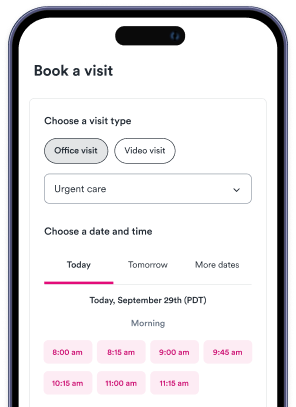
Taking proactive steps to support your immune health is easier with expert guidance. Use Solv to book a same-day visit with a nearby urgent care provider for wellness checkups, flu or COVID-19 vaccines, and personalized advice on supplements to help you stay strong all season long.
Frequently asked questions
What are some natural ways to boost the immune system?
Some natural ways to boost the immune system include eating more fruits and vegetables, getting quality sleep, regular exercise, staying hydrated, managing stress levels, and considering supplements with immune support potential. It's also crucial to maintain good hygiene practices like regular hand washing and staying up to date with vaccinations.
How does sleep affect the immune system?
Quality sleep is crucial for a healthy immune system. While you sleep, your body repairs itself and produces infection-fighting cells. Lack of sleep can lower your body's ability to fight off viruses. It's recommended to aim for 7 to 9 hours of sleep each night.
How does exercise contribute to a strong immune system?
Regular exercise boosts circulation, helping immune cells move more efficiently through your body. It also lowers inflammation and improves your mood, which plays a big role in how your body handles stress and illness. However, it's important to maintain a balanced routine, as intense workouts every day without enough rest can wear your body down.
What role do supplements play in supporting the immune system?
Supplements like Vitamin C, Zinc, Vitamin D, elderberry, echinacea, and probiotics may help support your immune system, especially during cold and flu season. However, it's important to consult with a healthcare provider before adding any new supplements to your routine, as they can interact with medications or affect people differently.
How does staying hydrated help boost the immune system?
Staying well-hydrated supports your immune system by helping your lymphatic system flush out toxins and keeping your mucous membranes moist, which makes it harder for germs to take hold. Drinking warm herbal teas with ingredients like ginger or turmeric can also offer natural anti-inflammatory and immune-supporting properties.

Dr. Linda Halbrook is a Board-Certified Family Medicine physician with over 40 years of experience, dedicated to providing comprehensive care to patients across Texas. She retired from practice but currently serves on the Clinical Services Committee of CommonGood Medical, a non-profit organization serving the uninsured in Collin County.
How we reviewed this article
Medically reviewed
View this article's sources and history, and read more about Solv's Content Mission Statement, editorial process, and editorial team.
1 source
Solv has strict sourcing guidelines and relies on peer-reviewed studies, academic research institutions, and medical associations. We avoid using tertiary references.
Solv’s team of medical writers and experts review and update our articles when new information becomes available.
February 23 2026
Written by Solv Editorial Team
Medically reviewed by: Dr. Rob Rohatsch, MD
May 06 2026
Edited by Solv Editorial Team
May 23 2026
Edited by Solv Editorial Team
May 26 2026
Edited by Solv Editorial Team
June 03 2026
Edited by Solv Editorial Team