Urgent care near me
 Key points
- RSV can cause severe breathing issues, especially in adults over 60.
- RSV symptoms are more intense and last longer than a common cold.
- Get tested if you're wheezing, short of breath, or running a fever.
- Test positive? Rest, hydrate, and isolate from anyone at high risk.
- An RSV vaccine is now available for eligible adults over 60.
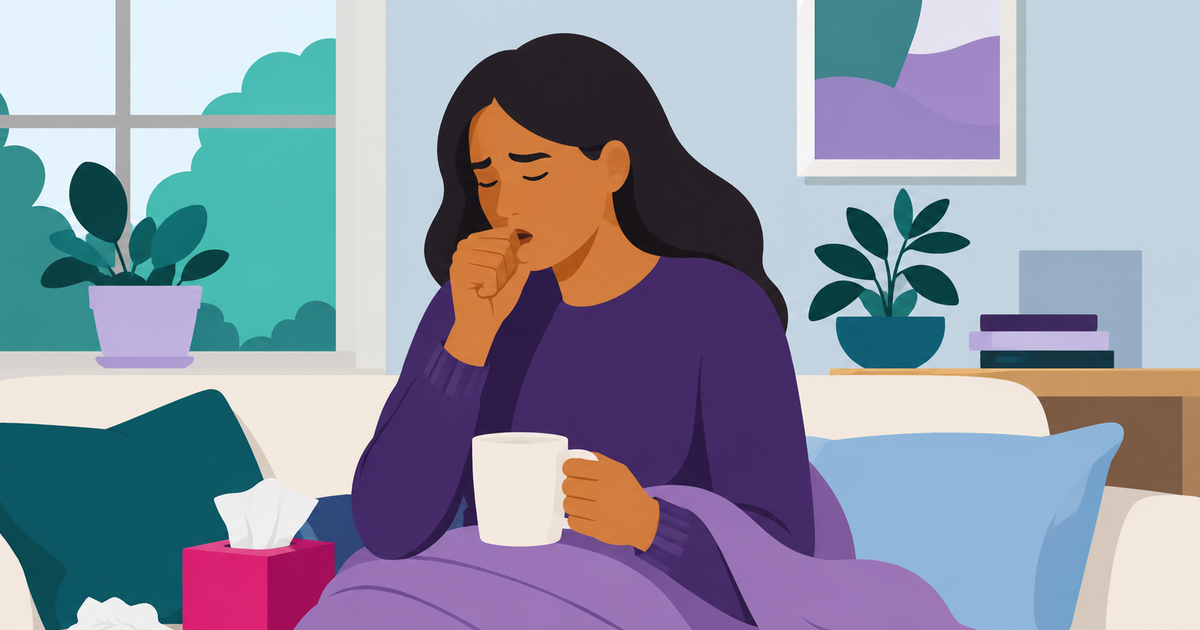
If you're feeling under the weather, it can be challenging to determine whether you're dealing with a simple cold or a more serious condition like RSV. Respiratory syncytial virus (RSV) is getting more attention lately, especially among older adults and people with weakened immune systems, because it can cause severe breathing problems or lead to hospitalization.
According to the National Foundation of Infectious Diseases (NFID), RSV often resembles a regular cold, with symptoms such as congestion, a sore throat, and fatigue; however, it can quickly progress to a deep cough, wheezing, or shortness of breath.1 That's why early testing matters: catching RSV early can help you manage symptoms more effectively, protect those around you, and avoid spreading the virus to people at higher risk.
What is RSV, and why does it matter in adults?
According to the CDC, RSV, or respiratory syncytial virus, is a highly contagious virus that affects the lungs and breathing passages.3 While most healthy adults experience mild, cold-like symptoms, RSV can be much more serious for people over 60, those with chronic heart or lung issues, and anyone with a weakened immune system. In these groups, RSV can lead to complications like pneumonia or worsening of existing conditions. Cases among adults have been rising in recent years, prompting more awareness about how important it is to recognize and manage symptoms early, especially during peak respiratory illness season.
How RSV symptoms differ from a cold
At first glance, RSV can seem like an ordinary cold, but there are a few key differences to look out for. A typical cold might bring a runny nose, sore throat, mild fatigue, and a light cough, but RSV often causes deeper chest congestion, wheezing, and a persistent, more intense cough. You're also more likely to experience a noticeable fever, muscle aches, and even shortness of breath with RSV, especially if you're older or have underlying health issues. Unlike a cold that usually improves in a week, RSV symptoms often peak and worsen around days 3 to 5 and may last longer overall. Knowing these differences can help you decide when to rest, when to get tested, and when to seek medical care.
When to get tested for RSV
If you're feeling under the weather and are over 60, have a chronic condition, or are noticing your cough getting worse, it's a good idea to get tested for RSV, especially if you're also wheezing, having trouble breathing, or running a persistent fever.
Testing is especially important if you spend time caring for babies, older adults, or anyone with a weakened immune system, since RSV spreads easily and can hit vulnerable people harder.
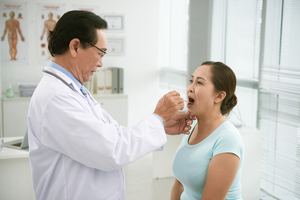
The good news is that testing is simple and widely available at urgent care clinics, usually involving a quick nasal swab with results that can help guide your next steps.
What to do if you test positive
If you test positive for RSV, the most important thing you can do is rest, stay hydrated, and give your body time to recover. Over-the-counter medications like fever reducers or cough suppressants may help you feel more comfortable. Just be sure to follow your provider's recommendations.
Since RSV can be serious for older adults and those with weakened immune systems, it's important to isolate from anyone who's at high risk until you're fully recovered. If your symptoms start to worsen, especially if you have trouble breathing or feel extremely weak, reach out to a healthcare provider right away.
How to protect yourself and others from RSV
Protecting yourself and your loved ones from RSV doesn't have to be complicated; it starts with a few everyday habits:
- Try to avoid close contact with anyone who's sick, and wash your hands regularly after being in public places.
- During cold and flu season, wearing a mask in crowded indoor settings can add an extra layer of protection, especially if you're in a higher-risk group.
- If you start feeling under the weather, do your part by staying home and avoiding contact with others.
And don't forget: there's now an RSV vaccine available for certain adults, like those over 60 or with underlying health conditions.3 Ask your healthcare provider if it's right for you.
Not feeling well? Get tested for RSV, cold, or flu today
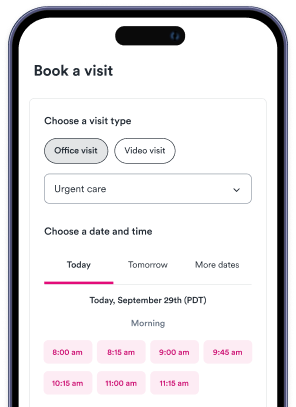
Don't wait it out. Visit a nearby urgent care clinic to find out what's behind your symptoms and start feeling better faster. With same-day appointments and fast testing, you can get answers, treatment, and peace of mind all in one convenient visit.
Frequently asked questions
Is RSV worse than a cold?
RSV can be worse than a cold, especially for older adults or those with underlying health issues. While a cold usually stays mild, RSV can cause deeper chest congestion and breathing problems.
Can RSV cause pneumonia in adults?
Yes, RSV can lead to pneumonia in adults, particularly those over 60, with chronic lung or heart conditions, or weakened immune systems.
How long does RSV last in adults?
RSV symptoms typically last 1 to 2 weeks, but those at higher risk may feel lingering effects like fatigue or cough for longer.
Should I go to urgent care for RSV symptoms?
Yes, if you have symptoms like wheezing, shortness of breath, or a persistent fever, urgent care can test you for RSV and help manage your symptoms.
Can adults be hospitalized for RSV?
While most healthy adults recover at home, RSV can lead to hospitalization if it causes serious breathing issues, dehydration, or complications like pneumonia.
Dr. Linda Halbrook is a Board-Certified Family Medicine physician with over 40 years of experience, dedicated to providing comprehensive care to patients across Texas. She retired from practice but currently serves on the Clinical Services Committee of CommonGood Medical, a non-profit organization serving the uninsured in Collin County.
How we reviewed this article
Medically reviewed
View this article's sources and history, and read more about Solv's Content Mission Statement, editorial process, and editorial team.
5 sources
Solv has strict sourcing guidelines and relies on peer-reviewed studies, academic research institutions, and medical associations. We avoid using tertiary references.
- How to Tell the Difference Between Flu, RSV, COVID-19, and the Common Cold. nfid.org (Aug 20, 2025)
- RSV in Adults. lung.org (Aug 20, 2025)
- RSV Clinical Overview. cdc.gov (Aug 20, 2025)
- Respiratory Syncytial Virus Infection. cdc.gov (Aug 20, 2025)
- RSV in Infants and Young Children. cdc.gov (Aug 20, 2025)
Solv’s team of medical writers and experts review and update our articles when new information becomes available.
May 06 2026
Written by Solv Editorial Team
Medically reviewed by: Dr. Rob Rohatsch, MD
May 07 2026
Edited by Solv Editorial Team
May 19 2026
Edited by Solv Editorial Team
May 23 2026
Edited by Solv Editorial Team
May 27 2026
Edited by Solv Editorial Team
June 03 2026
Edited by Solv Editorial Team