Bringing up mental health with your doctor can feel intimidating, especially if it’s your first time, but you’re not alone in that nervousness. The important thing to remember is that doctors are trained to care for mental health concerns just as much as physical ones, and your symptoms are valid. Whether you’re dealing with ongoing stress, anxiety, depression, or something you can’t quite name, starting the conversation is the first step toward getting support. This article will guide you through how to talk to your doctor so you can feel more confident and prepared when the time comes.
Why it’s worth bringing up
It’s always worth bringing up your mental health, even if you’re unsure how serious your symptoms are. Getting support early often leads to better outcomes, and it’s important to remember that mental and physical health are deeply connected; when one suffers, the other usually does too. In fact, the CDC notes that untreated symptoms like anxiety, depression, or sleep problems can get worse over time, but talking to a provider can bring clarity, reassurance, and treatment options you may not have considered. Many common mental health challenges are more treatable than people realize, and taking that first step can make a real difference in how you feel day to day.
Signs it’s time to speak up
It can be hard to know when feeling “off” is something to bring up with your doctor, but there are clear signs that it’s time to speak up:
- If you’ve been feeling down, overwhelmed, or constantly on edge for more than a few weeks, that’s worth sharing.
- Other red flags include trouble sleeping, eating, or focusing, losing interest in activities you used to enjoy, or feeling hopeless, numb, or like you’re just going through the motions.
- Some people cope by turning to substances or unhealthy habits, while others notice unexplained physical symptoms like fatigue, headaches, or stomachaches.
All of these are valid reasons to start the conversation with your provider.
How to prepare for the conversation
Preparing ahead can make talking about your mental health with your doctor feel less overwhelming. Start by writing down your symptoms: what you’re feeling, how long it’s been happening, and how it’s affecting your daily life. Be honest and open; your doctor’s role is to help you, not judge you. It can also help to think about your goals for the appointment: do you want clarity on what’s going on, information about treatment options, or a referral to a therapist or specialist? And if it eases your nerves, consider bringing a trusted friend or family member for support. Having a plan in place makes the conversation easier and ensures you get what you need from the visit.
What to say during your visit
When you’re in the exam room, it helps to start simple and direct: you might say, “I’ve been feeling really anxious lately,” or “I’m having trouble sleeping, and I think it might be stress.” Use the notes you prepared to describe your symptoms, what seems to trigger them, and how they’re affecting your daily life — whether that’s school, work, or relationships. If you’ve already tried things like exercise, meditation, or over-the-counter sleep aids without much success, let your doctor know so they understand what hasn’t worked. Most importantly, don’t downplay what you’re experiencing, even if you think it’s “not that bad.” Your honesty gives your provider the full picture they need to help you.
What your doctor might do next
Once you’ve shared your concerns, your doctor will likely ask follow-up questions about your mood, sleep, energy, appetite, and concentration to get a clearer picture of what’s going on. They may also use simple screening tools for depression, anxiety, or related conditions to better understand your symptoms. From there, you’ll talk about possible next steps, which might include therapy, lifestyle changes, or short-term medication to help you feel more stable. If needed, your doctor can refer you to a mental health specialist for more focused care. Most importantly, they’ll reassure you that help is available and remind you that you don’t have to face this alone.
Ready to talk? Use Solv to find a provider who listens
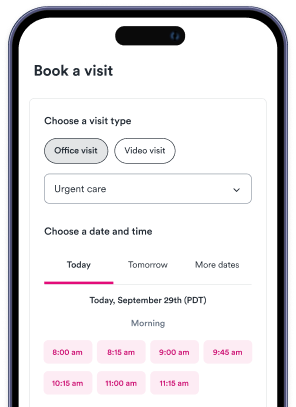
Encourage readers to use Solv to book a same-day visit with a doctor or mental health professional. Remind them that asking for help is a sign of strength, and support is closer than they think.
Frequently asked questions
Why is it important to discuss mental health concerns with your doctor?
Discussing mental health concerns with your doctor is important because early support often leads to better outcomes. Mental and physical health are deeply connected, and untreated mental health symptoms can worsen over time. Talking to a healthcare provider can provide clarity, reassurance, and treatment options that you may not have considered.
What are some signs that it's time to talk to your doctor about mental health?
Signs that it's time to talk to your doctor about mental health include feeling down, overwhelmed, or constantly on edge for more than a few weeks. Other indicators are trouble sleeping, eating, or focusing, losing interest in activities you used to enjoy, feeling hopeless or numb, or experiencing unexplained physical symptoms like fatigue, headaches, or stomachaches.
How can I prepare for a conversation about mental health with my doctor?
Preparing for a conversation about mental health with your doctor can involve writing down your symptoms, how long they've been happening, and how they're affecting your daily life. Be honest and open, and consider what you want from the appointment, such as clarity, treatment options, or a referral. If it helps, consider bringing a trusted friend or family member for support.
What should I say during my visit to the doctor about mental health?
During your visit, be direct about your feelings and use the notes you prepared to describe your symptoms, what seems to trigger them, and how they're affecting your daily life. If you've tried things like exercise, meditation, or over-the-counter sleep aids without success, let your doctor know. Don't downplay what you're experiencing; your honesty gives your doctor the full picture they need to help you.
What might the doctor do after I share my mental health concerns?
After you've shared your concerns, your doctor will likely ask follow-up questions about your mood, sleep, energy, appetite, and concentration. They may use screening tools for depression, anxiety, or related conditions to better understand your symptoms. Possible next steps might include therapy, lifestyle changes, or short-term medication. If needed, your doctor can refer you to a mental health specialist for more focused care.
 Urgent care near me