Urgent care near me
 Key points
- Food poisoning typically starts within hours of eating contaminated food.
- Stomach flu is caused by a virus; food poisoning by bacteria or toxins.
- Both cause nausea, vomiting, and diarrhea but have different durations.
- Stay hydrated with electrolytes to prevent dehydration from either illness.
- See a doctor if symptoms last more than 48 hours or include high fever.
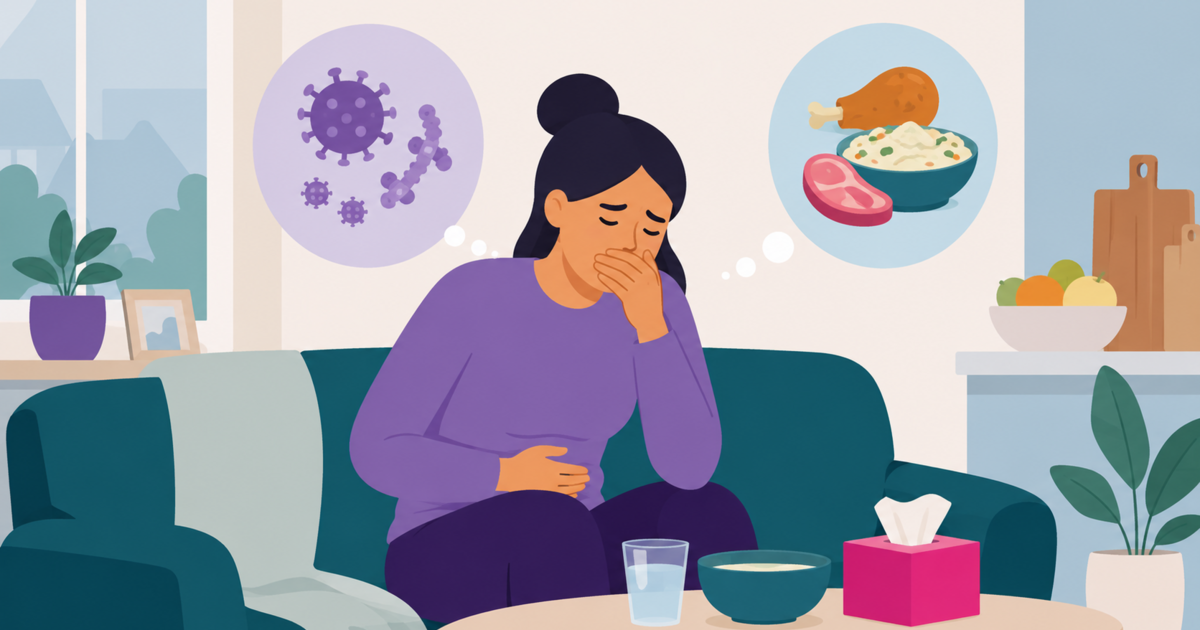
Was it something you ate, or did you catch a bug? Symptoms of stomach flu and food poisoning can look similar, but there are key differences that can help you identify the cause and guide treatment at home — and help you know when to seek care.
What is the "stomach flu"?
Despite its name, the stomach flu has nothing to do with influenza. The medical term is viral gastroenteritis, caused by viruses — most commonly norovirus — that infect your digestive system. These viruses spread through close contact with infected people, contaminated surfaces, or shared food and drinks. The incubation period is 24–48 hours, so if you were exposed Thursday at dinner, you might not feel sick until Saturday or Sunday. This delayed onset is one key way to tell it apart from food poisoning.
What is food poisoning?
Food poisoning (foodborne illness) happens when you eat food contaminated with harmful bacteria, viruses, parasites, or toxins. Common bacterial causes include salmonella, E. coli, campylobacter, and listeria. Unlike stomach viruses, food poisoning typically strikes much faster — anywhere from 1–6 hours after eating contaminated food, depending on the cause.
How to tell the difference
Stomach flu: Gradual onset 1–2 days after exposure. Watery diarrhea, nausea, vomiting, low-grade fever (usually under 102°F), body aches. Symptoms last 1–3 days. Often affects multiple people in a household over several days.
Food poisoning: Rapid onset within hours of eating the contaminated food. Sudden intense nausea and vomiting, stomach cramps, abdominal pain. Fever varies. Symptoms can last hours to several days. Usually affects people who ate the same specific dish within a few hours of one another.
One helpful clue: if everyone who ate the potato salad gets sick within a few hours, it's likely food poisoning. If family members get sick one by one over several days, you're probably dealing with a stomach virus.
How to care for symptoms at home
1. Hydration is critical
Vomiting and diarrhea cause rapid fluid loss. Drink small sips frequently — water, electrolyte drinks, clear broth, ginger tea, or ice chips if you can't keep liquids down. Avoid alcohol, caffeine, and sugary drinks.
2. Rest and diet
Don't force yourself to eat while actively vomiting. Once vomiting stops, start with bland foods: crackers, toast, rice, bananas, or applesauce. Avoid dairy, fatty foods, and spicy foods until fully recovered.
3. Over-the-counter medications
Anti-nausea medications like bismuth subsalicylate can help if your provider recommends them. Don't use loperamide (anti-diarrheal) with bloody stools or high fever. Always check with a healthcare provider before giving medication to children.
When to go to urgent care
Seek medical care if you experience:
- Vomiting or diarrhea lasting more than 2–3 days
- Signs of dehydration: dry mouth, decreased or very dark urine, dizziness when standing, no tears when crying
- Blood in vomit or stool
- High fever over 102°F
- Severe abdominal pain or cramping that doesn't improve
- Inability to keep any liquids down for 24 hours
- High-risk individuals: young children, older adults, pregnant women, or people with weakened immune systems
How to prevent both during holiday gatherings
Food safety basics: Wash hands before preparing food. Cook meats to safe temperatures (165°F for poultry). Refrigerate leftovers within 2 hours. Use separate cutting boards for raw meats and vegetables. When in doubt, throw it out.
Preventing viral spread: If you're sick, stay home and don't prepare food. Wash hands frequently. Clean and disinfect high-touch surfaces. Don't share drinks or utensils with sick people.
Still sick? Get relief today
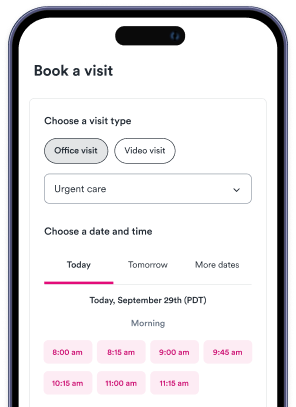
If you're experiencing persistent vomiting, dehydration, or severe abdominal pain, use Solv to book a same-day urgent care appointment.
Frequently asked questions
How long does each illness usually last?
Stomach flu typically lasts 1–3 days. Food poisoning varies from 24 hours to a week. If symptoms persist beyond 3 days or worsen, seek medical care.
What's the best way to rehydrate after vomiting?
Start with small sips every few minutes. Oral rehydration solutions are ideal. You can make your own: 6 teaspoons of sugar and half a teaspoon of salt in 1 liter of water.
Can urgent care treat dehydration or severe nausea?
Yes. Urgent care can provide IV fluids, anti-nausea medications, and testing. Often faster and more convenient than an emergency room for non-life-threatening situations.
Can I pass my stomach bug to others after I feel better?
Yes. Norovirus can be shed in stool for two weeks or more after symptoms resolve. Stay home for at least 48 hours after vomiting and diarrhea stop, wash hands thoroughly with soap and water (hand sanitizer is less effective against norovirus), and avoid preparing food for others during this window.
Is it safe to take anti-diarrheal medication during a stomach bug?
Over-the-counter antidiarrheal medications like loperamide can reduce symptoms, but are generally not recommended for bacterial infections or when fever and bloody stool are present. In those cases, stopping diarrhea too quickly may prolong the illness. Check with a healthcare provider if you are unsure of the cause.
How do I disinfect my home after a stomach bug?
Use a bleach-based cleaner (1 tablespoon of bleach per gallon of water) on hard surfaces like bathrooms and kitchen counters. Wash contaminated linens in hot water and dry on high heat. The CDC recommends wearing gloves when cleaning and washing hands thoroughly afterward. Standard household disinfectants may not kill norovirus.

Dr. Linda Halbrook is a Board-Certified Family Medicine physician with over 40 years of experience, dedicated to providing comprehensive care to patients across Texas. She retired from practice but currently serves on the Clinical Services Committee of CommonGood Medical, a non-profit organization serving the uninsured in Collin County.
How we reviewed this article
Medically reviewed
View this article's sources and history, and read more about Solv's Content Mission Statement, editorial process, and editorial team.
5 sources
Solv has strict sourcing guidelines and relies on peer-reviewed studies, academic research institutions, and medical associations. We avoid using tertiary references.
- Norovirus. cdc.gov (Jan 10, 2026)
- Viral Gastroenteritis. niddk.nih.gov (Jan 10, 2026)
- Food Safety. cdc.gov (Jan 10, 2026)
- Gastroenteritis. medlineplus.gov (Jan 10, 2026)
- Food Poisoning. niaid.nih.gov (Jan 10, 2026)
Solv’s team of medical writers and experts review and update our articles when new information becomes available.
October 05 2026
Written by Solv Editorial Team
Medically reviewed by: Dr. Rob Rohatsch, MD
October 05 2026
Edited by Solv Editorial Team