Urgent care near me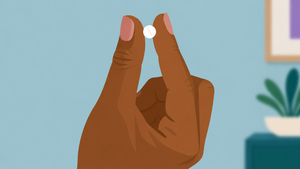
Wegovy pill from $149/month
The FDA-approved weight loss pill is here
No injections. Just once-daily Wegovy® with proven results—up to 17% average weight loss in trials.

Losing body fat is one of the most common health goals among adults — but it’s also one of the most misunderstood. Between fad diets, “fat-burning” supplements, and extreme workout plans, it can be difficult to know what actually works and what’s likely to backfire.
The truth is that body fat loss is not just about willpower, cutting calories, or exercising more. It’s influenced by a combination of nutrition, movement, sleep, hormones, genetics, stress, and daily habits. Research shows that people who lose body fat gradually — and focus on long-term lifestyle changes rather than quick fixes — are far more likely to keep it off.
This guide breaks down 12 science-backed ways to lose body fat safely, explains why body fat matters for your health, and offers practical tips you can realistically stick with. Whether your goal is to improve metabolic health, lower disease risk, or simply feel better in your body, this approach prioritizes sustainability over speed.
One of the most overlooked fat-loss levers is sleep—see how sleep affects weight loss and metabolism, and why poor sleep can actively counteract a caloric deficit.
Before adding anything to your regimen, our guide on which weight loss supplements are backed by science separates the evidence from marketing.
Body fat often gets a bad reputation, but it’s essential for survival. Fat tissue plays a role in:
Hormone production and regulation
Energy storage and metabolism
Temperature regulation
Immune function
Protection of organs
Absorption of fat-soluble vitamins (A, D, E, and K)
In fact, fat is present in nearly every cell of the body, and the brain itself is made up of roughly 60% fat. Problems arise not from having body fat, but from having too much — or too little.
Excess body fat, particularly visceral fat stored deep in the abdomen, is associated with higher risk of conditions such as heart disease, type 2 diabetes, high blood pressure, osteoarthritis, sleep apnea, and certain cancers. On the other hand, very low body fat levels can disrupt hormones, weaken immunity, and impair reproductive health.
The goal of fat loss isn’t to eliminate body fat entirely — it’s to reach and maintain a healthy, functional range that supports overall well-being.
There is no single “ideal” body fat percentage that applies to everyone. Healthy ranges vary based on sex, age, genetics, and overall health.
General clinical guidelines suggest:
Men: Essential fat ~2–5%; healthy range roughly 10–24%
Women: Essential fat ~10–13%; healthy range roughly 18–31%
Rather than fixating on a specific number, many clinicians recommend paying attention to broader indicators of health, such as:
Waist circumference
Blood pressure, cholesterol, and blood sugar levels
Strength, endurance, and mobility
Energy levels and sleep quality
Body fat loss should support health — not undermine it.
Fat-loss efforts aren’t appropriate for everyone. People who should avoid intentional fat loss unless guided by a healthcare professional include:
Individuals who are pregnant or breastfeeding
People who are malnourished or underweight
Those who are immunocompromised
Individuals undergoing cancer treatment
Older adults with low muscle mass or frailty
In older adults, rapid weight loss can worsen sarcopenia (age-related muscle loss), increasing the risk of falls, disability, and loss of independence. In these cases, preserving muscle is often more important than reducing fat.
If you have underlying medical conditions or concerns, it’s best to discuss fat loss with a qualified clinician before making major changes.
When it comes to fat loss, slower is safer — and more effective.
Research suggests that losing about 0.5% of total body fat per week, or about 1–2 pounds per week for most adults is a reasonable and sustainable pace.
Rapid weight loss often leads to:
Greater muscle loss
Hormonal disruption
Slower metabolism
Higher likelihood of regaining the weight
It’s also important to understand that fat loss is not the same as weight loss. The scale reflects total body weight, which includes fat, muscle, water, organs, and bone. It’s possible to lose fat while gaining muscle, resulting in little change on the scale — but meaningful improvements in health and body composition.
Low-fat diets were once widely promoted for weight loss, but research now shows that the type of fat matters more than the amount.
Unsaturated fats — such as monounsaturated and polyunsaturated fats — support heart health, improve satiety, and slow digestion, helping you feel full longer. In contrast, trans fats and excessive amounts of refined vegetable oils are associated with inflammation and metabolic dysfunction.
Healthy fat sources include:
Olive oil and olives
Avocados
Nuts and seeds
Eggs
Fatty fish
Practical tip: Replace processed snack foods with meals that include a source of healthy fat to help control hunger and reduce overeating.
Ultra-processed foods make up a significant portion of the modern diet and are strongly linked to higher body fat levels. These foods are often calorie-dense, low in nutrients, and designed to be hyper-palatable, making it easy to overeat.
Refined sugars can also spike blood sugar and insulin levels, which promotes fat storage — especially in the abdominal area.
Examples of ultra-processed foods include:
Packaged baked goods
Sugary cereals
Sweetened beverages
Chips, pastries, and candy
Practical tip: Focus on whole or minimally processed foods most of the time, and treat highly processed foods as occasional — not daily — choices.
Calories from drinks are easy to consume and don’t trigger the same fullness signals as solid food. Sugary beverages and alcohol can contribute a significant portion of daily calories without reducing hunger.
Water plays a key role in metabolism, digestion, and fat breakdown. Studies suggest that increasing water intake may support fat loss by promoting lipolysis (the breakdown of fat).
Practical tip: A common guideline is to aim for roughly half your body weight (in pounds) in ounces of water per day, adjusting based on activity level and climate.
Protein is one of the most important nutrients for fat loss. Diets higher in protein are associated with:
Increased feelings of fullness
Reduced cravings
Preservation of lean muscle mass
Slightly higher calorie burn from digestion
Protein also helps reduce levels of ghrelin, the hormone that stimulates hunger.
Good protein sources include:
Poultry, fish, and lean meats
Eggs
Dairy products like yogurt or cottage cheese
Legumes and tofu
Practical tip: Try to include a source of protein at every meal and snack.
Fiber slows digestion, stabilizes blood sugar, and helps control appetite. Research shows that people who consume higher amounts of fiber tend to lose more weight — even without strict calorie counting.
Fiber is also associated with reductions in visceral (abdominal) fat, which carries higher health risks than subcutaneous fat.
High-fiber foods include:
Vegetables and fruits
Beans and lentils
Whole grains
Oats and bran
Practical tip: Aim to gradually increase fiber intake to around 25–30 grams per day, increasing slowly to avoid digestive discomfort.
The gut microbiome plays a role in metabolism, inflammation, and fat storage. A more diverse gut microbiota is associated with healthier body composition.
Fermented foods provide beneficial bacteria that support gut health, including:
Yogurt and kefir
Sauerkraut and kimchi
Fermented pickles
Practical tip: Add one fermented food per day, such as yogurt with breakfast or fermented vegetables with dinner.
Certain environmental chemicals — often called obesogens — may interfere with hormone signaling and metabolism, making fat loss more difficult.
Common sources include:
Plastics and food packaging
Non-stick cookware
Some pesticides and herbicides
Practical tip: Use glass or stainless-steel containers when possible and avoid heating food in plastic.
Resistance training is one of the most effective ways to improve body composition. When combined with dietary changes, strength training leads to greater fat loss than diet alone.
Benefits include:
Preserving lean muscle
Increasing resting metabolic rate
Improving insulin sensitivity
Practical tip: Aim for strength training that works all major muscle groups at least twice per week.
Cardiovascular exercise helps burn calories and supports heart health. High-intensity interval training (HIIT), which alternates short bursts of intense effort with recovery periods, has been shown to produce greater fat loss than steady-state cardio alone.
Practical tip: Combine moderate-intensity cardio (like brisk walking) with occasional interval sessions for balance.
Non-exercise activity thermogenesis (NEAT) includes all movement outside of structured workouts. Low levels of daily movement are strongly associated with higher body fat.
Examples include:
Walking
Standing
Household chores
Taking the stairs
Practical tip: Look for small opportunities to move more throughout the day, especially if you have a sedentary job.
Sleep deprivation disrupts hormones that regulate appetite and stress, including leptin, ghrelin, and cortisol. Chronic poor sleep is associated with increased body fat, particularly around the abdomen.
Practical tip: Aim for 7–9 hours of sleep per night, keeping a consistent sleep schedule when possible.
It takes time for fullness signals to reach the brain. Eating quickly increases the risk of overeating.
Practical tip: Try to eat without distractions, chew thoroughly, and stop when you feel comfortably — not completely — full.
Fat loss isn’t linear. Plateaus, fluctuations, and periods of slow progress are normal. Clothing fit, waist measurements, strength, and energy levels often provide better feedback than the scale alone.
It’s also important to recognize that emotional well-being doesn’t automatically improve with fat loss. Sustainable progress includes addressing stress, mental health, and self-compassion — not just physical changes.
Losing body fat safely isn’t about extreme restriction or perfection. It’s about consistent, realistic changes that support your health over time.
Focusing on whole foods, strength training, daily movement, sleep, and stress management can help reduce body fat while preserving muscle and improving overall well-being. If you have health concerns or need guidance, a qualified healthcare professional can help tailor an approach that’s right for you.
Body weight control and energy expenditure (2018)
https://www.sciencedirect.com/science/article/pii/S2667193X18300047
Tips to help you lose weight (March 17, 2023)
https://www.nhs.uk/live-well/healthy-weight/managing-your-weight/tips-to-help-you-lose-weight/
Waist-to-height ratio beats BMI for finding obesity, study says (January 7, 2026)
https://www.amjmed.com/article/S0002-9343(21)00324-3/fulltext
How your body fights weight loss (December 2022)
https://www.nm.org/healthbeat/healthy-tips/how-your-body-fights-weight-loss
8 ways to lose belly fat and live a healthier life (January 7, 2026)
https://www.hopkinsmedicine.org/health/wellness-and-prevention/8-ways-to-lose-belly-fat-and-live-a-healthier-life
Abdominal fat and what to do about it (October 1, 2023)
https://www.health.harvard.edu/staying-healthy/abdominal-fat-and-what-to-do-about-it
How much physical activity do adults need? (October 29, 2021)
https://www.cdc.gov/physicalactivity/basics/adults/index.htm
The diet framework you choose can make or break long-term consistency. Our breakdown of the best diets of 2026 covers what works based on current evidence.
Weight management: State of the science and opportunities for military programs (January 7, 2026)
https://www.ncbi.nlm.nih.gov/books/NBK221839/
Body fat loss isn't just about diet and exercise, it's influenced by a combination of factors including nutrition, movement, sleep, hormones, genetics, stress, and daily habits. People who focus on long-term lifestyle changes rather than quick fixes are more likely to maintain their weight loss.
There isn't a single "ideal" body fat percentage that applies to everyone as it varies based on sex, age, genetics, and overall health. For men, a healthy range is roughly 10-24% and for women, it's roughly 18-31%. Rather than fixating on a specific number, it's recommended to pay attention to broader indicators of health such as waist circumference, blood pressure, cholesterol, and blood sugar levels.
Certain groups of people should avoid intentional fat loss unless guided by a healthcare professional. These include individuals who are pregnant or breastfeeding, people who are malnourished or underweight, those who are immunocompromised, individuals undergoing cancer treatment, and older adults with low muscle mass or frailty.
It's suggested to lose about 0.5% of total body fat per week, or about 1-2 pounds per week for most adults. This pace is considered reasonable and sustainable. Rapid weight loss can lead to muscle loss, hormonal disruption, a slower metabolism, and a higher likelihood of regaining the weight.
Some strategies include eating healthy fats instead of avoiding fat entirely, limiting ultra-processed foods and refined sugars, being mindful of liquid calories, increasing protein intake to preserve muscle, eating more fiber-rich foods, supporting gut health with fermented foods, reducing exposure to hormone-disrupting chemicals, strength training to preserve and build muscle, including cardiovascular exercise and intervals, increasing daily movement outside of exercise, prioritizing sleep for hormone balance, and slowing down to eat mindfully.
Long-term success depends on habits: regular movement, adequate protein and fiber intake, consistent sleep, and ongoing self-monitoring.
No injections. Just once-daily Wegovy® with proven results—up to 17% average weight loss in trials.

Dr. Linda Halbrook is a Board-Certified Family Medicine physician with over 40 years of experience, dedicated to providing comprehensive care to patients across Texas. She retired from practice but currently serves on the Clinical Services Committee of CommonGood Medical, a non-profit organization serving the uninsured in Collin County.
Medically reviewed
View this article's sources and history, and read more about Solv's Content Mission Statement, editorial process, and editorial team.
Solv’s team of medical writers and experts review and update our articles when new information becomes available.
Written by Solv Editorial Team
Medically reviewed by: Dr. Rob Rohatsch, MD
Edited by Solv Editorial Team
Edited by Solv Editorial Team
Edited by Solv Editorial Team
Edited by Solv Editorial Team
Edited by Solv Editorial Team
Edited by Solv Editorial Team
No injections. Just once-daily Wegovy® with proven results—up to 17% average weight loss in trials.