Urgent care near me
Wegovy pill from $149/month
The FDA-approved weight loss pill is here
No injections. Just once-daily Wegovy® with proven results—up to 17% average weight loss in trials.

Most insurance plans cover Ozempic when you have a documented type 2 diabetes diagnosis, but coverage now almost always runs through prior authorization — paperwork your prescriber sends to the insurer before you can fill the prescription. Coverage for weight loss alone is generally not available because Ozempic isn't FDA-approved for that indication; the related drug Wegovy is. Without insurance, the cash price is around $968 a month.2,3
Coverage depends on three things: your diagnosis, your plan's formulary, and whether prior authorization clears.
PA requirements for GLP-1 drugs jumped from below 15% in the third quarter of 2023 to more than 80% by late 2024.2 Insurers tightened controls because GLP-1 use surged and plans wanted to confirm prescriptions match FDA indications.
What plans typically require for approval:
If your plan covers Ozempic and PA clears, you'll pay your standard tier copay — often $25 to $100 per month for preferred-tier coverage and $100 to $400+ for non-preferred tier. Some high-deductible plans require you to meet the deductible first, which can mean paying full price for the first month or two of the year.
The U.S. list price is approximately $968 per month before any discounts. Ways to lower that:
Medicare Part D continues to cover Ozempic for type 2 diabetes. In addition, CMS launched the Medicare GLP-1 Bridge demonstration on July 1, 2026, for eligible Part D beneficiaries. To qualify, you must be 18 or older with a BMI of 27 or higher plus at least one of:1
The Bridge runs through December 31, 2027. Separately, semaglutide products (Ozempic, Wegovy, Rybelsus) were selected for Medicare drug price negotiation with the negotiated price taking effect in 2027.1
State Medicaid programs vary. Most cover Ozempic for type 2 diabetes with prior authorization. Coverage for GLP-1s for weight loss is patchwork — some states are expanding access, others have explicit exclusions. Check your state Medicaid formulary or contact the plan.
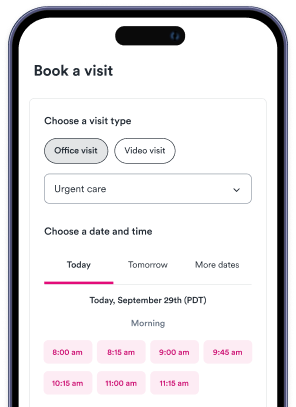
If you're starting GLP-1 therapy or running into PA hurdles, an urgent care or primary care visit can help. A clinician can confirm your diagnosis, document the criteria your plan requires, and submit the PA paperwork — often the difference between approval and denial. You can find same-day primary care and urgent care visits on Solv when you need a quick clinical sign-off or refill.
Ozempic's FDA label is type 2 diabetes and cardiovascular risk reduction. Most plans require an FDA-approved indication on the prescription to cover the drug, so off-label use for weight loss alone is generally denied.2,3
Yes, if you have type 2 diabetes and your Part D plan includes it on its formulary (most do). For weight management, Medicare's new GLP-1 Bridge demonstration starts July 1, 2026, for adults age 18+ with BMI ≥27 plus prediabetes, prior heart attack, prior stroke, or symptomatic peripheral artery disease.1
Your prescriber needs to document a type 2 diabetes diagnosis (usually an A1C ≥6.5% or two fasting glucose readings ≥126 mg/dL), prior trial of metformin or another first-line agent in many plans, and ongoing monitoring. Submit the PA form your insurer requests — most decisions come back within five business days.
Retail list price is around $968 per month before discounts. Manufacturer savings cards can reduce that, and Novo Nordisk's direct-pay channel for self-paying patients offers monthly pricing below retail. Pharmacy discount programs (GoodRx, Cost Plus Drugs) and 90-day supplies through mail order can also lower the per-month cost.
Ask your prescriber to submit an appeal. Common denials are reversed when the chart documents an A1C in the type 2 diabetes range, failure or contraindication to first-line therapy, or cardiovascular indication. If still denied, ask about therapeutic alternatives on your formulary (other GLP-1s, SGLT2 inhibitors) or use the manufacturer's patient assistance program.
If your goal is weight loss, Wegovy — also semaglutide — is the FDA-approved option. Some employer and commercial plans cover Wegovy for obesity (BMI ≥30) or overweight with a comorbidity (BMI ≥27); many still exclude weight-loss drugs entirely. Check your plan's anti-obesity medication rider before assuming it's covered.
No injections. Just once-daily Wegovy® with proven results—up to 17% average weight loss in trials.

Dr. Linda Halbrook is a Board-Certified Family Medicine physician with over 40 years of experience, dedicated to providing comprehensive care to patients across Texas. She retired from practice but currently serves on the Clinical Services Committee of CommonGood Medical, a non-profit organization serving the uninsured in Collin County.
Medically reviewed
View this article's sources and history, and read more about Solv's Content Mission Statement, editorial process, and editorial team.
Solv has strict sourcing guidelines and relies on peer-reviewed studies, academic research institutions, and medical associations. We avoid using tertiary references.
Solv’s team of medical writers and experts review and update our articles when new information becomes available.
Written by Solv Editorial Team
Medically reviewed by: Dr. Rob Rohatsch, MD
Edited by Solv Editorial Team
Edited by Solv Editorial Team
Edited by Solv Editorial Team
No injections. Just once-daily Wegovy® with proven results—up to 17% average weight loss in trials.