Urgent care near me
Wegovy pill from $149/month
The FDA-approved weight loss pill is here
No injections. Just once-daily Wegovy® with proven results—up to 17% average weight loss in trials.

When it comes to losing weight, many people start out with DIY approaches; things like calorie-counting apps, cutting carbs, or following the latest diet trend they find online. While these methods can work for some, they don't always lead to lasting success, especially if the plan isn't tailored to your body or lifestyle. That's where medical weight loss programs come in. Unlike DIY diets, these are guided by healthcare professionals who can look at your health history, run lab tests if needed, and design a safe, personalized plan that goes beyond quick fixes. Read on to explore how medical programs compare to do-it-yourself dieting so you can decide which option may be the most effective path for your goals.
DIY dieting basically means taking a self-led approach to weight loss without professional guidance. This might include tracking calories with an app, following online meal plans, trying intermittent fasting, or jumping on popular diets like keto or paleo you've seen on social media. The appeal is clear: it's usually low-cost, flexible, and easy to get started since information and tools are everywhere. But the downside is that DIY diets often involve a lot of trial and error, and because they're not tailored to your unique body or health needs, they can be hard to sustain. Many people hit frustrating plateaus, develop yo-yo habits, or even fall into unhealthy patterns when trying to manage everything on their own.
Medical weight loss is a provider-supervised program designed to help individuals lose weight in a safe and personalized manner. Instead of relying on one-size-fits-all diet plans, these programs take into account your health history, lab results, body composition, and lifestyle to create a strategy that works for you. They will usually include comprehensive lab testing, nutrition counseling, and behavior coaching to address the root causes of weight gain. In some cases, prescription medications or GLP-1 therapies are offered if they're appropriate for your situation. The biggest difference is that medical weight loss is overseen by a doctor, nurse practitioner, or obesity medicine specialist who can monitor your progress, adjust your plan, and keep your health front and center as you work toward your goals.
When you stack DIY diets and medical weight loss side by side, the differences become pretty clear:
Medical weight loss can be especially helpful for people who need more than a one-size-fits-all plan to see results. Those with obesity or a BMI over 30 may benefit from the added structure and medical oversight, especially if they also have conditions like PCOS, thyroid issues, or prediabetes that can make weight loss more challenging. It's also a smart option for anyone who's cycled through multiple diets without lasting success or who is dealing with weight-related issues like joint pain, fatigue, or inflammation. For individuals interested in exploring treatments like GLP-1 medications, a medically supervised program offers the safest and most effective path forward.
One of the biggest advantages of medical weight loss is having expert support along the way. Accountability alone can make a huge difference; when you know you'll check in with a provider, you're more likely to follow through on your plan. Medical oversight also means your program can be adjusted based on your results, rather than sticking with something that isn't working. Plus, weight loss isn't just about calories in and calories out; factors like emotional eating, stress, sleep, and even medications can play a big role, and a professional can help you navigate those challenges. Having a provider involved also lowers the risk of nutritional deficiencies or unhealthy restriction, making the whole process safer and more sustainable.
Book an appointment with a medical provider to explore safe, personalized weight loss options. With the right support, even small changes can lead to lasting results.
Sources
Diet and health conditions. (September 20, 2025) https://www.nutrition.gov/topics/diet-and-health-conditions
For many people, yes, because they offer personalized care, medical safety, and higher long-term success rates compared to DIY diets.
Absolutely! Many providers encourage tools like apps or macro tracking to support your plan and keep you accountable.
Not always. Medications or GLP-1s are only prescribed if they're appropriate for your health history and goals.
Medical programs can also focus on weight maintenance, giving you strategies and monitoring to help keep the weight off long-term.
Some urgent care clinics provide short-term support or referrals, but ongoing medical weight loss is usually managed by primary care, specialists, or dedicated programs.
No injections. Just once-daily Wegovy® with proven results—up to 17% average weight loss in trials.
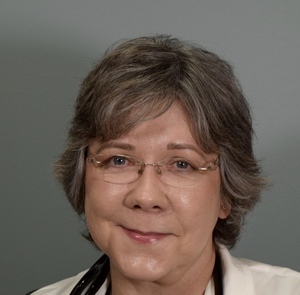
Dr. Linda Halbrook is a Board-Certified Family Medicine physician with over 40 years of experience, dedicated to providing comprehensive care to patients across Texas. She retired from practice but currently serves on the Clinical Services Committee of CommonGood Medical, a non-profit organization serving the uninsured in Collin County.
Medically reviewed
View this article's sources and history, and read more about Solv's Content Mission Statement, editorial process, and editorial team.
Solv’s team of medical writers and experts review and update our articles when new information becomes available.
Written by Solv Editorial Team
Medically reviewed by: Dr. Rob Rohatsch, MD
No injections. Just once-daily Wegovy® with proven results—up to 17% average weight loss in trials.