Does Medicaid cover urgent care? What you need to know

Published Aug 04, 2023

|

Updated May 06, 2026

|

Est. reading time: 4 minutes

Key points

  • Medicaid covers medically necessary urgent care in all 50 states, though copays and covered services vary by state.
  • Federal rules cap urgent care copays at $4–$8; children, pregnant women, and certain groups pay nothing out of pocket.
  • Visit an in-network provider to ensure full coverage; out-of-network urgent care may not be covered by your managed care plan.
  • Emergency care is always covered by Medicaid—even out-of-network and out-of-state—under federal EMTALA law.
  • Most state Medicaid programs now cover telehealth urgent care, giving you a convenient low-cost option for minor illnesses.

Feel better faster. Get care today.

Does Medicaid cover urgent care? What you need to know


What is urgent care?

Urgent care centers treat conditions that need prompt attention but are not life-threatening—think ear infections, minor cuts, sprains, fever, or urinary tract infections. They are typically open beyond normal business hours, require no appointment, and are faster and less expensive than an emergency room (ER) for everyday illnesses and injuries.1

Does Medicaid cover urgent care?

Yes. Medicaid is required to cover medically necessary services, and urgent care visits that are medically necessary qualify in every state.2 Both traditional fee-for-service Medicaid and managed care Medicaid plans cover urgent care. The exact benefits and cost-sharing rules differ by state because each state administers its own Medicaid program within federal guidelines.

Most Medicaid beneficiaries are enrolled in managed care plans. If you are, you will generally need to visit a provider in your plan's network to receive full benefits. Your plan's member handbook or website will list covered services and in-network providers.

How much does urgent care cost with Medicaid?

For most Medicaid enrollees, out-of-pocket costs for urgent care are very low. Federal regulations (42 CFR § 447.54) allow states to charge small copayments for non-emergency outpatient services, with the following caps:3

  • Income up to 100% of the federal poverty level (FPL): copay may not exceed $4 per visit
  • Income between 100% and 150% FPL: copay may not exceed $8 per visit
  • Medicaid expansion enrollees (ACA-eligible adults): higher cost-sharing is permitted, but total annual out-of-pocket costs are capped at 5% of household income4

Certain groups pay no cost-sharing at all:

  • Children under 18
  • Pregnant women (for pregnancy-related services)
  • Individuals receiving family planning services
  • Native Americans and Alaska Natives receiving care through the Indian Health Service or tribal providers

Always confirm your specific plan's copay schedule, as states set their own amounts within these federal limits.

How to find an in-network urgent care provider

To make sure your visit is covered, follow these steps before you go:

  1. Check your Medicaid card. The member services number on the back of your card can confirm coverage and provide a list of nearby in-network urgent care centers.
  2. Use your plan's online provider directory. Most managed care plans have a website with a searchable directory—filter by "urgent care" and your zip code.
  3. Search on Solv. Solv's urgent care finder lets you filter by insurance accepted, including Medicaid, with real-time availability and patient reviews.
  4. Call ahead. Confirm the clinic participates in your specific Medicaid plan before driving over, since provider networks can change.

Emergency care vs. urgent care under Medicaid

Understanding the difference matters because coverage rules are not the same:

  • Emergency care is always covered by Medicaid—even out-of-network and out-of-state. Federal EMTALA law requires hospitals to screen and stabilize anyone who comes to an ER, and Medicaid reimburses emergency services regardless of where they occur.5
  • Urgent (non-emergency) care out of state may not be covered. Medicaid is a state-based program, and out-of-state urgent care visits may require prior authorization or may be denied. If you are traveling and need non-emergency care, call your plan first or use a telehealth visit.

When in doubt about whether your situation is an emergency, go to the ER—never delay care to check coverage.

State-by-state differences

Because each state manages its own Medicaid program, coverage details vary widely. Key differences include:

  • Copay amounts. Some states charge no copay for urgent care; others apply the federal maximum.
  • Prior authorization. Most routine urgent care visits do not require pre-approval, but some specialty-level services may.
  • Telehealth. All states now cover some telehealth services under Medicaid, but specific rules—including platform requirements and audio-only coverage—vary by state.6
  • Medicaid expansion. States that expanded Medicaid under the ACA cover a broader adult population and may have different cost-sharing structures for expansion enrollees compared with traditional enrollees.

Tips for using Medicaid at urgent care

  • Always bring your Medicaid card (physical or digital) to every visit.
  • Confirm the clinic accepts your specific Medicaid plan—not just "Medicaid" in general, since managed care plans differ.
  • Ask about your copay before receiving services so there are no billing surprises.
  • If you receive a bill that seems incorrect, contact your plan's member services line—billing errors are common and typically resolvable.
  • Consider telehealth urgent care for minor illnesses when in-person access is limited; most Medicaid plans now cover virtual visits.

FAQs

Does Medicaid cover urgent care visits?

Yes. Medicaid covers medically necessary urgent care visits in all states. Most enrollees pay a small copay ($4 or less); children and pregnant women typically pay nothing.

How much is an urgent care copay with Medicaid?

Federal rules cap urgent care copays at $4 for most Medicaid enrollees (up to $8 for those with income between 100%–150% FPL). Many states charge less or nothing at all.

Can I go to any urgent care with Medicaid?

You should visit an in-network provider to ensure full coverage. Use your state Medicaid portal or call your plan's member services number to find participating urgent care centers near you.

Does Medicaid cover urgent care out of state?

Medicaid covers emergency care in any state. Non-emergency urgent care out of state may not be covered. Check with your plan before traveling, or consider telehealth for minor illnesses.

Can an urgent care center turn me away if I have Medicaid?

Providers enrolled in Medicaid cannot turn you away based on your insurance. However, not all urgent care centers accept Medicaid—look for clinics that explicitly list Medicaid as accepted insurance.

Is telehealth urgent care covered by Medicaid?

Yes, most state Medicaid programs now cover telehealth services including virtual urgent care. Rules vary by state, so confirm coverage with your plan before your visit.

What is the cost of urgent care with Medicaid?

When you are covered by Medicaid, your overall out-of-pocket costs for urgent care may be minimal or non-existent, depending on your state and the type of urgent care facility you visit.

Does Medicaid cover telemedicine services?

Yes, Medicaid in some states may cover telemedicine services, which allow you to receive medical care remotely, such as through video conferencing or phone calls.

Sane-day doctor visits

Feel better faster. Get care today.

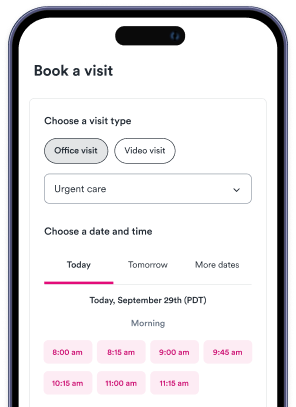
From the clinic or your couch. Find high quality, same-day urgent care for you and your kids. Book an urgent care visit today.

Find care now

Dr. Rob Rohatsch, MD, is a Board-Certified Emergency Medicine physician and urgent care executive. He earned his MD from Jefferson Medical College, currently serves on multiple boards and is Solv’s Chief Medical Officer.

How we reviewed this article

Medically reviewed

View this article’s sources and history, and read more about Solv’s Content Mission Statement, editorial process, and editorial team.

Sources

6 sources

Solv has strict sourcing guidelines and relies on peer-reviewed studies, academic research institutions, and medical associations. We avoid using tertiary references.

  • American Academy of Urgent Care Medicine. What is urgent care? aaucm.org.
  • Centers for Medicare & Medicaid Services. Medicaid benefits. medicaid.gov. Accessed 2025.
  • Electronic Code of Federal Regulations. 42 CFR § 447.54 – Copayments for non-emergency services provided in hospital emergency departments. ecfr.gov.
  • KFF. Medicaid cost-sharing: current rules and key issues. kff.org. 2023.
  • Centers for Medicare & Medicaid Services. Emergency Medical Treatment & Labor Act (EMTALA). cms.gov.
  • KFF. Medicaid and telehealth. kff.org. 2024.

History

Solv’s team of medical writers and experts review and update our articles when new information becomes available.

  • August 04 2023

    Written by Solv Editorial Team

    Medically reviewed by: Dr. Rob Rohatsch, MD

  • April 25 2026

    Edited by Solv Editorial Team

  • April 25 2026

    Edited by Solv Editorial Team

  • April 27 2026

    Edited by Solv Editorial Team

  • May 06 2026

    Edited by Solv Editorial Team

6 sources

Solv has strict sourcing guidelines and relies on peer-reviewed studies, academic research institutions, and medical associations. We avoid using tertiary references.

  • American Academy of Urgent Care Medicine. What is urgent care? aaucm.org.
  • Centers for Medicare & Medicaid Services. Medicaid benefits. medicaid.gov. Accessed 2025.
  • Electronic Code of Federal Regulations. 42 CFR § 447.54 – Copayments for non-emergency services provided in hospital emergency departments. ecfr.gov.
  • KFF. Medicaid cost-sharing: current rules and key issues. kff.org. 2023.
  • Centers for Medicare & Medicaid Services. Emergency Medical Treatment & Labor Act (EMTALA). cms.gov.
  • KFF. Medicaid and telehealth. kff.org. 2024.

Solv’s team of medical writers and experts review and update our articles when new information becomes available.

  • August 04 2023

    Written by Solv Editorial Team

    Medically reviewed by: Dr. Rob Rohatsch, MD

  • April 25 2026

    Edited by Solv Editorial Team

  • April 25 2026

    Edited by Solv Editorial Team

  • April 27 2026

    Edited by Solv Editorial Team

  • May 06 2026

    Edited by Solv Editorial Team

Topics in this article

Workplace Health
Sane-day doctor visits

Feel better faster. Get care today.

From the clinic or your couch. Find high quality, same-day urgent care for you and your kids. Book an urgent care visit today.

Find care now

This site uses cookies to provide you with a great user experience. By using Solv, you accept our use of cookies.