Urgent care near me
Wegovy pill from $149/month
The FDA-approved weight loss pill is here
No injections. Just once-daily Wegovy® with proven results—up to 17% average weight loss in trials.
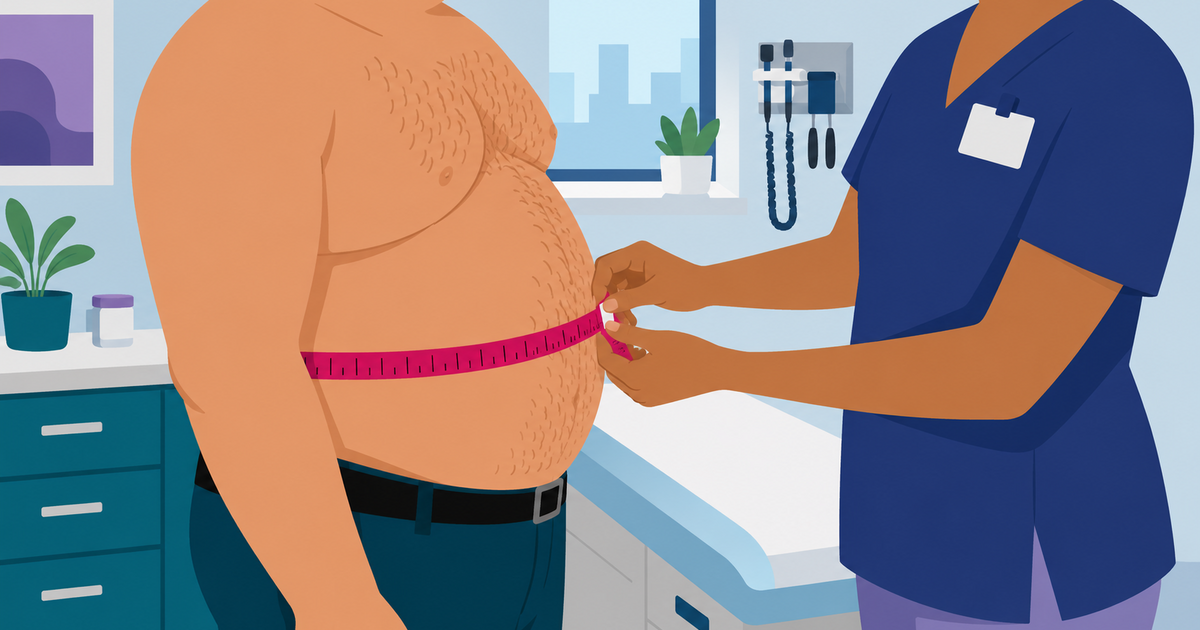
Yes, Mounjaro can lead to significant weight loss — but it’s important to understand how and why it’s used in 2026. Mounjaro for weight loss is common in real-world care, even though the medication itself is FDA-approved for type 2 diabetes, not obesity.
Mounjaro contains tirzepatide, a weekly injectable medication that affects hunger, fullness, and blood sugar. In clinical trials, people taking tirzepatide lost a substantial amount of weight, especially when paired with lifestyle changes. Because of that, many clinicians prescribe Mounjaro off-label for weight loss.
This article breaks down what Mounjaro is, how it works, how effective it really is, and what to know about side effects, dosing, cost, and alternatives. We’ll also explain how Mounjaro compares to Zepbound, the FDA-approved weight-loss version of tirzepatide, so you can make an informed decision with your care team.
Before starting Mounjaro, it helps to understand how GLP-1 dosing works—see our complete guide to GLP-1 dosing schedules for what to expect week by week.
Like all GLP-1 medications, Mounjaro comes with a range of possible side effects—our guide covers what GLP-1 side effects to expect and when to call your doctor.
Mounjaro is the brand name for tirzepatide, a prescription injectable medication in a class called dual GLP-1 and GIP receptor agonists. It was approved by the FDA in 2022 to treat type 2 diabetes, alongside diet and exercise.
Tirzepatide works by mimicking two natural gut hormones — GLP-1 and GIP — that help regulate blood sugar, appetite, and digestion. Because of this dual action, Mounjaro lowers A1C levels and often leads to meaningful weight loss as a secondary effect.
Mounjaro is taken once weekly using a prefilled injection pen. It comes in multiple dose strengths that are gradually increased to improve tolerability.
While Mounjaro is not FDA-approved for weight loss, its active ingredient is the same one used in Zepbound, which is approved for chronic weight management. That distinction matters for insurance coverage and labeling, but not for how the medication works in the body.
No. Mounjaro is not FDA-approved for weight loss.
Mounjaro is approved only for improving blood sugar control in people with type 2 diabetes. When Mounjaro is prescribed specifically for weight loss, it is considered off-label use. Off-label prescribing is legal and common, but it often affects insurance coverage.
The FDA-approved version of tirzepatide for weight loss is Zepbound, which received approval in November 2023 for adults with obesity or overweight plus at least one weight-related condition. Zepbound uses the same medication, dosing range, and injection schedule as Mounjaro.
From a clinical standpoint, Mounjaro and Zepbound work the same way. The key differences are the FDA indication, insurance rules, and product labeling. Many insurers cover Mounjaro for diabetes but not for weight loss, while Zepbound coverage varies widely depending on the plan.
Mounjaro works by targeting hormones that control hunger, fullness, and blood sugar after you eat. Specifically, it activates GLP-1 and GIP receptors in the gut and brain.
These hormones slow stomach emptying, reduce appetite, and increase feelings of fullness. Many people notice they feel satisfied with smaller portions and think about food less often. Blood sugar levels also improve, which can reduce energy crashes and cravings.
Dosing is intentionally gradual. Starting low and slowly increasing helps the body adjust and lowers the risk of nausea and other gastrointestinal side effects. This process, called titration, is a key part of safe use.
“By acting on both GLP-1 and GIP pathways, tirzepatide addresses appetite and metabolism more powerfully than older medications,” says Amanda Velazquez, MD, Director of Obesity Medicine at Cedars-Sinai.
Mounjaro is highly effective for weight loss, based on data from tirzepatide clinical trials.
In large randomized trials, people taking tirzepatide lost an average of 15% to over 20% of their body weight over about 72 weeks when combined with lifestyle changes. Higher doses led to greater weight loss, while people using diet and exercise alone lost far less.
A major systematic review found that tirzepatide led to nearly 10 kg (22 lb) more weight loss than placebo and outperformed other GLP-1 medications. According to FDA trial data for Zepbound, people without diabetes lost about 18% of body weight on the highest dose.
Weight loss tends to plateau over time, and stopping the medication often leads to regain. Studies show most people regain a significant portion of weight within a year of stopping unless another long-term plan is in place.
“These medications are very effective, but obesity is chronic,” says Susan Jebb, PhD, Professor of Diet and Population Health at the University of Oxford. “Stopping treatment often means weight comes back.”
Mounjaro may be appropriate for adults with obesity or overweight, especially if they also have type 2 diabetes, high blood pressure, high cholesterol, or sleep apnea. Clinicians typically consider BMI, medical history, and prior weight-loss attempts.
People who should not take Mounjaro include those with a personal or family history of medullary thyroid cancer or multiple endocrine neoplasia type 2. It’s also not recommended during pregnancy or breastfeeding.
Caution is needed for people with a history of pancreatitis, gallbladder disease, or severe digestive disorders. Older adults may use it safely but often need slower dose increases.
“The best candidates are people who need medical help managing appetite and metabolic disease, not a quick fix,” says Naveed Sattar, MD, Professor of Metabolic Medicine at the University of Glasgow.
The most common side effects of Mounjaro are gastrointestinal. These include nausea, diarrhea, vomiting, constipation, and decreased appetite. Symptoms are usually mild to moderate and most noticeable during dose increases.
Less common risks include gallbladder problems, dehydration-related kidney issues, and temporary worsening of diabetic eye disease. Rare but serious risks include pancreatitis and severe allergic reactions.
Mounjaro carries a boxed warning for thyroid C-cell tumors based on animal studies. While this hasn’t been shown in humans, the risk is taken seriously.
Practical tips include eating smaller meals, avoiding high-fat foods early on, staying hydrated, and not rushing dose increases.
“Side effects are manageable for most people when dosing is slow and expectations are realistic,” says John Sharretts, MD, Director at the FDA’s Center for Drug Evaluation and Research.
Mounjaro starts at 2.5 mg once weekly. This dose is for adjustment, not weight loss. After four weeks, it’s increased to 5 mg, with further increases every four weeks if tolerated.
The maximum dose is 15 mg weekly. Many people achieve good results at lower doses and don’t need to go higher.
If you miss a dose, you can take it within four days. If more time has passed, skip it and resume your regular schedule.
Diabetes and weight-loss dosing follow the same structure, but goals may differ. Slow titration is key to staying on the medication long term.
When Mounjaro is stopped, appetite usually returns, and weight regain is common. Studies show most people regain at least 25% of lost weight within a year, and some regain much more.
This happens because the medication is no longer suppressing appetite or slowing digestion. Metabolic signals return to baseline.
Weight regain can be slowed by ongoing nutrition support, strength training, sleep, and sometimes transitioning to another medication.
“Obesity treatment often requires long-term therapy, just like diabetes or hypertension,” says Amanda Velazquez, MD.
Off-label use means prescribing a medication for a purpose not listed on the FDA label. Mounjaro for weight loss is a common off-label use.
Clinicians may choose Mounjaro when Zepbound isn’t covered or available. Insurance approval is less predictable, and prior authorization is common.
Close follow-up is important to monitor side effects, nutrition, and mental health. Medication works best when combined with sustainable lifestyle changes.
Compounded tirzepatide comes with real risks. The FDA has warned against compounded GLP-1 drugs made from salt forms or sold during shortages.
Dosing errors, contamination, and improper storage are concerns. Some products marketed online are not equivalent to FDA-approved medications.
If compounding is considered, it should come from a licensed pharmacy using FDA-acceptable ingredients and clear dosing instructions.
Without insurance, Mounjaro typically costs over $1,000 per month. Prices vary by pharmacy and availability.
Insurance often covers Mounjaro for diabetes but not for weight loss. Zepbound coverage depends on employer plans and state policies. Medicare currently does not cover weight-loss drugs.
Supply shortages have improved since 2024 but still occur. Planning refills early helps avoid gaps.
Protein-rich meals help preserve muscle and control hunger. Fiber supports digestion and fullness. Strength training helps prevent muscle loss during weight reduction.
Hydration reduces side effects. Good sleep and limiting alcohol support hormone balance and weight maintenance.
“Medication opens the door, but habits keep it open,” says Adam Collins, PhD, Nutrition Scientist at the University of Surrey.
Other GLP-1 options include Zepbound, Wegovy, and Saxenda. Some people respond better or tolerate one better than another.
Non-GLP-1 medications include phentermine-topiramate and naltrexone-bupropion. Bariatric surgery may be appropriate for higher BMIs.
Lifestyle-only approaches can work, especially with structured support, but typically lead to less weight loss.
Start by talking with a primary care clinician or endocrinologist. Baseline labs may include blood sugar, kidney function, and cholesterol.
Follow-ups usually happen every 4–12 weeks during dose changes. If you need help finding care, platforms like Solv can help you locate nearby or virtual providers.
Mounjaro can lead to significant weight loss but is off-label
Zepbound is the FDA-approved weight-loss version
Side effects are common but often manageable
Weight regain is likely after stopping
Long-term support improves results
Mounjaro (tirzepatide) prescribing information (May 13, 2022)
https://www.accessdata.fda.gov/drugsatfda_docs/label/2022/215866s000lbl.pdf
FDA Approves New Medication for Chronic Weight Management (Nov 08, 2023)
https://www.fda.gov/news-events/press-announcements/fda-approves-new-medication-chronic-weight-management
Weight loss efficiency and safety of tirzepatide: A systematic review (May 2023)
https://pmc.ncbi.nlm.nih.gov/articles/PMC10159347/
Tirzepatide (StatPearls) (Feb 20, 2024)
https://www.ncbi.nlm.nih.gov/books/NBK585056/
Health Experts on Using Mounjaro for Weight Loss (Nov 17, 2023)
https://www.cedars-sinai.org/newsroom/healthline-health-experts-on-using-mounjaro-for-weight-loss/
People who come off slimming jabs regain weight four times faster than dieters (Jan 2025)
https://www.bbc.com/news/articles/c050ljnrv2qo
Mounjaro health benefits found to reverse one year after stopping drug (Nov 25, 2025)
https://pharmaceutical-journal.com/article/news/mounjaro-health-benefits-found-to-reverse-one-year-after-stopping-drug
Weight management injections: Tirzepatide (Mounjaro®) for the management of obesity (Mar 23, 2025)
https://www.england.nhs.uk/ourwork/prevention/obesity/medicines-for-obesity/weight-management-injections/
What is Mounjaro? Official product information
https://mounjaro.lilly.com/
How to use Mounjaro
https://mounjaro.lilly.com/how-to-use-mounjaro
Comparing your options? See how injectable GLP-1 medications compare in our side-by-side breakdown of GLP-1 medications by form, cost, and side effects.
New Drug: Tirzepatide (Mounjaro™) (Jan 2023)
https://pubmed.ncbi.nlm.nih.gov/36751934/
Mounjaro is a brand name for tirzepatide, an injectable medication that was initially approved by the FDA to treat type 2 diabetes. It works by mimicking two natural gut hormones, GLP-1 and GIP, that help regulate blood sugar, appetite, and digestion. This dual action lowers A1C levels and often leads to meaningful weight loss as a secondary effect. Despite not being FDA-approved for weight loss, many clinicians prescribe Mounjaro off-label for this purpose.
No, Mounjaro is not FDA-approved for weight loss. It is approved for improving blood sugar control in people with type 2 diabetes. However, its active ingredient, tirzepatide, is used in Zepbound, which is FDA-approved for chronic weight management.
Mounjaro has been found to be highly effective for weight loss in clinical trials. People taking tirzepatide lost an average of 15% to over 20% of their body weight over about 72 weeks when combined with lifestyle changes. However, weight loss tends to plateau over time, and stopping the medication often leads to weight regain.
Mounjaro is not recommended for individuals with a personal or family history of medullary thyroid cancer or multiple endocrine neoplasia type 2. It’s also not advised during pregnancy or breastfeeding. People with a history of pancreatitis, gallbladder disease, or severe digestive disorders should also exercise caution.
The most common side effects of Mounjaro are gastrointestinal, including nausea, diarrhea, vomiting, constipation, and decreased appetite. Less common risks include gallbladder problems, dehydration-related kidney issues, and temporary worsening of diabetic eye disease. Rare but serious risks include pancreatitis and severe allergic reactions.
No injections. Just once-daily Wegovy® with proven results—up to 17% average weight loss in trials.

Dr. Linda Halbrook is a Board-Certified Family Medicine physician with over 40 years of experience, dedicated to providing comprehensive care to patients across Texas. She retired from practice but currently serves on the Clinical Services Committee of CommonGood Medical, a non-profit organization serving the uninsured in Collin County.
Medically reviewed
View this article's sources and history, and read more about Solv's Content Mission Statement, editorial process, and editorial team.
Solv’s team of medical writers and experts review and update our articles when new information becomes available.
Written by Solv Editorial Team
Medically reviewed by: Dr. Rob Rohatsch, MD
Edited by Solv Editorial Team
Edited by Solv Editorial Team
Edited by Solv Editorial Team
Edited by Solv Editorial Team
Edited by Solv Editorial Team
Edited by Solv Editorial Team
No injections. Just once-daily Wegovy® with proven results—up to 17% average weight loss in trials.