We all have those days when we feel drained, down, or just not quite like ourselves, and that’s totally normal. Whether it’s due to stress, a lack of sleep, or simply the daily grind, your mood and energy can take a hit. The good news? There are natural, sustainable ways to help you bounce back without relying on caffeine or quick fixes:
1. Start with small movement
When your energy is dragging or your mood feels off, a little movement can go a long way. You don’t need to commit to a full workout; just 10 to 15 minutes of light exercise can boost circulation and release endorphins, the brain’s natural feel-good chemicals. That quick burst of movement can help lift your spirits, clear your head, and get your body out of that sluggish state. Think small and simple: try a few morning stretches to wake up your muscles, take a walking break during your day, roll out your yoga mat for a short flow, or turn on your favorite song and dance around your kitchen.
2. Focus on energizing nutrition
What you eat plays a big role in how you feel, both physically and mentally, so if you’re looking for more energy and a better mood, start with what’s on your plate.
- The key is to keep your blood sugar steady throughout the day by eating balanced meals that include protein, healthy fats, and complex carbohydrates (such as whole grains, vegetables, or legumes).
- Skipping meals or not eating enough can leave you feeling tired, cranky, and unfocused, so try not to go too long without fueling up. It also helps to include nutrients that are known to support mood and brain function, like omega-3s, magnesium, B vitamins, iron, and vitamin D.
- When you need a quick pick-me-up, reach for snacks that give your body real nourishment. Almonds, berries, dark chocolate, or a hard-boiled egg are all great options that can help you stay sharp and feel good without the crash.
3. Stay hydrated
Staying hydrated might seem like a small thing, but it can have a big impact on how you feel throughout the day. Even mild dehydration can lead to brain fog, irritability, and low energy, symptoms that are easy to blame on stress or lack of sleep but might actually be your body’s way of asking for more water. If you struggle to drink enough, try making it a little more fun and doable: get a reusable water bottle you actually like using, flavor your water with slices of lemon, cucumber, or berries, and set reminders on your phone to take sips throughout the day. Some people find it helpful to track their intake or aim for a certain number of bottles by bedtime.
4. Improve your sleep routine
If you're constantly feeling drained or in a low mood, your sleep routine might be playing a bigger role than you realize. Quality sleep is essential for keeping your brain’s feel-good chemicals, like dopamine and serotonin, in balance. When you don’t get enough of it, your focus, motivation, and overall mood can take a serious hit. The good news is that there are simple, natural ways to improve your sleep without relying on pills. Try limiting screen time an hour before bed, sticking to a consistent sleep schedule (even on weekends), and creating a calming nighttime routine, like reading, journaling, or stretching, to help your body wind down. Using blackout curtains or a white noise machine can also make your bedroom more sleep-friendly.
5. Get outside for sunlight and fresh air
One of the simplest ways to boost your mood and energy is to step outside and soak up a little sunshine. Natural light helps your body produce vitamin D, which plays a key role in mental health and immune function, and it also increases serotonin, the brain chemical that helps you feel calm and happy. Sunlight during the day also supports your circadian rhythm, making it easier to fall asleep at night and wake up feeling refreshed. You don’t need to plan a big hike or spend hours outside; even small moments count. Try taking a short walk in the morning, eating your lunch outdoors, or stepping onto your porch for a few deep breaths and sunlight breaks during the day. A little fresh air and sunshine can go a long way in lifting your spirits and helping you feel more balanced.
6. Practice quick stress-relief techniques
When stress piles up and your energy feels zapped, quick stress-relief techniques can make a big difference, sometimes in just a few minutes.
- Simple breathwork exercises like 4-7-8 breathing (inhale for 4 seconds, hold for 7, exhale for 8) can calm your nervous system and help you feel more grounded.
- A short mindfulness practice, like a 5-minute body scan, is another easy way to reconnect with your body and quiet racing thoughts.
- Creative outlets like journaling or sketching, or just talking it out with someone you trust, can help release tension and process emotions in a healthy way.
- Don’t underestimate the power of music or a good laugh; both have been shown to boost dopamine levels and lift your mood fast.
7. Limit what drains you
Sometimes the key to feeling better isn’t just about adding healthy habits, it’s about cutting back on what’s draining you. Things like too much sugar, endless screen time, or being around negative people can quietly chip away at your energy and mood throughout the day.
Being intentional about what you say “yes” to, and more importantly, what you say “no” to, can help you protect your emotional space and feel more in control. It’s okay to set boundaries and step back from people or situations that constantly leave you feeling stressed or depleted. And if you rely on caffeine to push through the day, try being more mindful about when and how much you’re drinking, too much, especially in the afternoon, can lead to crashes that make you feel even more sluggish.
When to seek additional support
If your low mood or fatigue just won’t go away, even after trying lifestyle changes, it might be time to look a little deeper. Feeling tired or down every now and then is normal, but if it’s becoming your new normal, it could be a sign of something more serious like anemia, thyroid problems, or depression. That’s when getting professional support can really help.
A quick visit to urgent care or your primary care provider can include basic lab tests to check your iron levels, thyroid function, and other key markers that affect your energy and mood. You don’t have to figure it all out on your own; getting answers from a medical provider can be the first step toward feeling like yourself again.
Feeling drained? Visit a nearby clinic to rule out medical causes
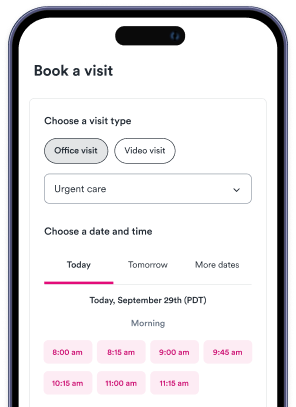
If you’re constantly tired or feeling off, it might be more than just a busy week. Use Solv to book a same-day appointment at a nearby clinic and get checked for common issues like vitamin deficiencies, thyroid problems, or other health concerns, so you can start feeling like yourself again.
Frequently asked questions
What are some natural ways to boost mood and energy levels?
There are several natural methods to enhance your mood and energy. These include small movements or light exercise, focusing on nutrition that keeps your blood sugar steady, staying hydrated, improving your sleep routine, spending time outside in the sunlight, practicing quick stress-relief techniques, and limiting things that drain you like too much sugar or screen time.
How does exercise contribute to mood and energy improvement?
Light exercise can boost circulation and release endorphins, the brain’s natural feel-good chemicals. This can help lift your spirits, clear your head, and get your body out of a sluggish state. Even just 10 to 15 minutes of light exercise can have these positive effects.
How does nutrition affect mood and energy levels?
What you eat plays a significant role in how you feel physically and mentally. Eating balanced meals that include protein, healthy fats, and complex carbohydrates can keep your blood sugar steady, which helps maintain energy levels and mood. Including nutrients known to support mood and brain function, like omega-3s, magnesium, B vitamins, iron, and vitamin D, can also be beneficial.
How can I improve my sleep routine to boost mood and energy?
Quality sleep is essential for keeping your brain’s feel-good chemicals in balance. To improve your sleep, try limiting screen time an hour before bed, sticking to a consistent sleep schedule, and creating a calming nighttime routine. Using blackout curtains or a white noise machine can also make your bedroom more sleep-friendly.
What should I do if lifestyle changes are not improving my mood and energy levels?
If your low mood or fatigue persists even after trying lifestyle changes, it may be a sign of a more serious condition like anemia, thyroid problems, or depression. In such cases, it's important to seek professional support. A visit to urgent care or your primary care provider can include basic lab tests to check your iron levels, thyroid function, and other key markers that affect your energy and mood.
 Urgent care near me