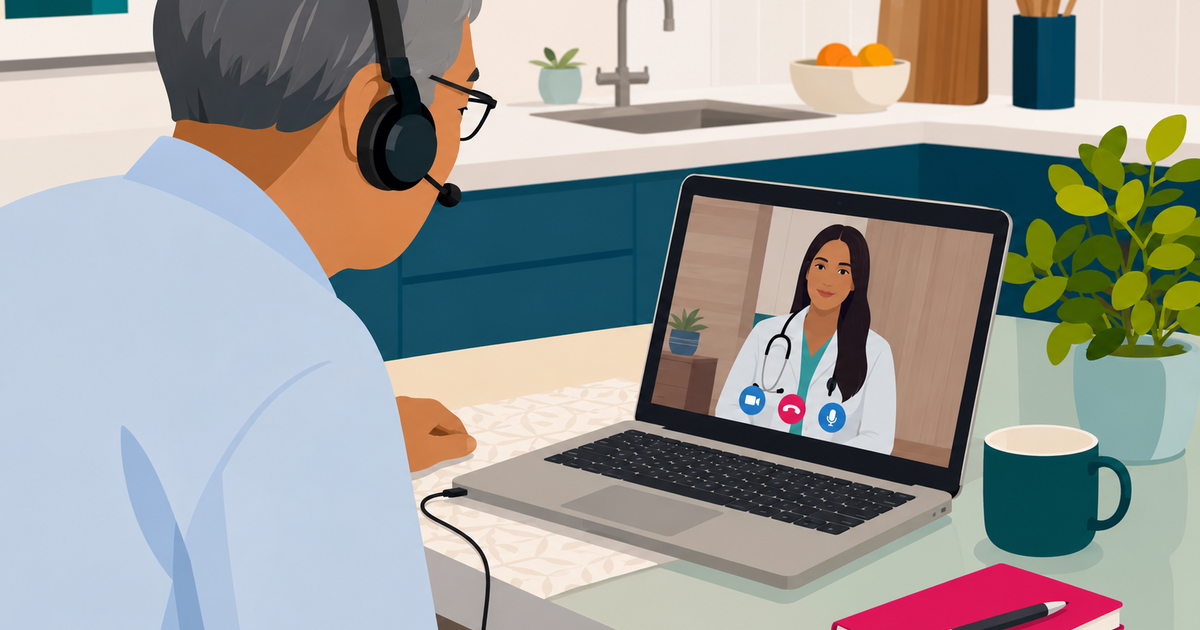
If you have been putting off addressing anxiety, depression, or stress because getting to a therapist or psychiatrist feels complicated, telehealth may remove the main barrier. Mental health care delivered by video or phone has grown substantially, and the evidence supporting it has grown with it.
How telehealth mental health visits work
A telehealth mental health visit is a scheduled appointment with a licensed therapist, psychologist, or psychiatrist conducted over secure video or phone. Most platforms require a smartphone, tablet, or computer with a camera. Sessions typically run 45 to 60 minutes for therapy and 20 to 30 minutes for medication management.
Telehealth mental health services fall into two main categories:
- Therapy — talk therapy (CBT, DBT, supportive counseling) delivered by a licensed therapist, psychologist, or licensed clinical social worker
- Psychiatric medication management — evaluation and prescribing by a psychiatrist or psychiatric nurse practitioner; most states allow controlled substances (including stimulants for ADHD) to be prescribed via telehealth
Conditions well-suited for telehealth mental health care
Research shows telehealth is comparable to in-person care for a range of common mental health conditions. It is a strong option for:
- Mild to moderate depression
- Generalized anxiety disorder and social anxiety
- Panic disorder
- Post-traumatic stress disorder (PTSD)
- Adjustment disorders and situational stress
- ADHD management (after initial evaluation)
- Mild to moderate OCD
- Insomnia related to anxiety or depression
The National Institute of Mental Health notes that many evidence-based therapies — including cognitive behavioral therapy — translate well to the telehealth format.
When in-person care is the better choice
Telehealth is not appropriate for every situation. Seek in-person care or call 988 (Suicide and Crisis Lifeline) if you or someone you know is experiencing:
- Active suicidal ideation with a plan or intent
- A psychiatric emergency (psychosis, severe mania, disorganized behavior)
- Significant changes in medication that require close physical monitoring
- A first-time evaluation for a complex or unclear diagnosis
For these situations, an emergency room, crisis center, or in-person psychiatrist is more appropriate than a telehealth platform.
Practical considerations: cost, insurance, and access
Most major insurers now cover telehealth mental health visits at parity with in-person visits, following federal and state mental health parity laws. Before your first appointment, verify coverage with your insurer and confirm the provider is in-network. Many telehealth platforms also offer self-pay rates that are lower than traditional in-office visits.
One important consideration: mental health providers must be licensed in the state where you are located at the time of the visit. If you travel frequently or have recently moved, confirm your provider is licensed in your current state before scheduling.
How to get started
To begin telehealth mental health care, you can ask your primary care provider for a referral, contact your insurer's behavioral health line for in-network options, or search for providers directly through a SAMHSA-listed telehealth platform. Many primary care physicians and urgent care clinics can also provide an initial mental health evaluation and prescribe short-term medications while connecting you with a specialist.
When to visit urgent care
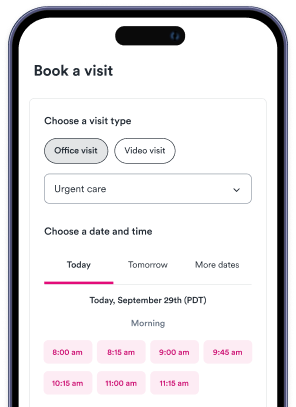
If you are experiencing moderate anxiety, depression, or stress and need same-day support or a medication evaluation, many urgent care clinics offer telehealth mental health services or can connect you with a behavioral health provider. If you are in crisis, call 988 or go to the nearest emergency room.
Frequently asked questions
Is telehealth therapy as effective as in-person therapy?
For many conditions including depression, anxiety, and PTSD, telehealth therapy has been shown to be comparable to in-person therapy in research studies. The key is finding a licensed provider and attending sessions consistently.
Can I get a prescription for mental health medications through telehealth?
Yes. Psychiatrists and psychiatric nurse practitioners can prescribe most mental health medications via telehealth, including antidepressants, anti-anxiety medications, and in most states, stimulants for ADHD.
Does insurance cover telehealth mental health visits?
Most major insurers cover telehealth mental health visits under mental health parity laws. Confirm with your insurer that the provider is in-network and that telehealth visits are covered before your appointment.
What if I am in a mental health crisis — can I use telehealth?
For a mental health crisis involving active suicidal thoughts, psychosis, or severe symptoms, call 988 (Suicide and Crisis Lifeline) or go to the nearest emergency room. Telehealth is not designed for acute psychiatric emergencies.
How do I find a telehealth mental health provider?
Ask your primary care doctor for a referral, contact your insurer's behavioral health line for in-network providers, or search SAMHSA's treatment locator at findtreatment.gov for covered telehealth options.
 Urgent care near me