Mental health includes your emotional, psychological, and social well-being. It influences how you think, feel, and act, how you handle stress, how you relate to other people, and how you make choices.1 It matters at every stage of life — from childhood and adolescence through adulthood — and it is just as important to your overall health as your physical health.2 If you have ever wondered what mental health really is and why it deserves attention even when nothing feels “wrong,” this guide walks through the basics: what mental health means, what shapes it, the signs that something may be off, and when to reach out for professional support.
What is mental health?
The National Institute of Mental Health (NIMH) defines mental health as a combination of emotional, psychological, and social well-being that shapes how you handle everyday life.1 The World Health Organization (WHO) describes it as a state of well-being in which a person can cope with the normal stresses of life, work productively, and contribute to their community.3 Both definitions share an important point: mental health is more than the absence of a diagnosable disorder. It is a positive, dynamic state that can change over time based on what is happening in your body, your relationships, and your environment.
How is mental health different from mental illness?
It helps to think of mental health and mental illness as related but distinct. Mental health refers to overall well-being. Mental illness — sometimes called a mental health disorder — refers to a diagnosable condition, such as depression, an anxiety disorder, bipolar disorder, schizophrenia, an eating disorder, or a substance use disorder.4 According to the Mayo Clinic, a mental health concern becomes a mental illness when ongoing signs and symptoms cause frequent distress and affect your ability to function in daily life.4 You can have a stretch of poor mental health — for example, after a major loss — without having a mental illness, and someone with a diagnosed condition can experience periods of strong mental well-being, especially with treatment and support.
Why is mental health important?
Mental health is essential to overall health and quality of life.1,2 The Centers for Disease Control and Prevention (CDC) emphasizes that mental and physical health are equally important and deeply connected. Depression, for example, increases the risk of chronic conditions such as diabetes, heart disease, and stroke, and living with a chronic condition can in turn raise the risk of developing a mental health condition.2 About 1 in 5 U.S. adults lives with a mental health condition in a given year, which means most people will either experience one personally or care about someone who does.2 Strong mental health also supports learning, work performance, relationships, parenting, and the ability to bounce back from setbacks.3
What affects mental health?
Mental health is shaped by a combination of biological, psychological, and social factors rather than a single cause.3,4
Biology and genetics
Family history of mental illness, brain chemistry, and certain medical conditions can raise vulnerability to mental health conditions.4 Hormonal shifts (for example, during pregnancy, postpartum, or menopause) and chronic medical illnesses also play a role.
Life experiences
Trauma, abuse, neglect, the loss of a loved one, divorce, and other adverse events — particularly in childhood — can increase the risk of developing a mental health condition.4 Ongoing stress at work, in caregiving roles, or in relationships matters too.
Social and environmental factors
The WHO highlights that mental health is influenced by socioeconomic and environmental factors, including financial strain, housing, education, neighborhood safety, discrimination, social connection, and access to health care.3 Protective factors include emotional skills, positive relationships, stable work, safe neighborhoods, and strong community ties.3
Daily habits
Sleep, physical activity, nutrition, substance use, and how connected you feel to others all influence mental health day to day.5 NIMH notes that small, consistent acts of self-care can have a meaningful impact on stress and well-being.5
What are the signs of poor mental health?
Everyone has rough days. The Substance Abuse and Mental Health Services Administration (SAMHSA) suggests paying closer attention when changes in mood, thinking, or behavior are persistent and start to interfere with daily life.6 Common warning signs include:
- Feeling sad, hopeless, empty, or unusually irritable for two weeks or more
- Excessive worry, fear, or feelings of being on edge
- Major changes in sleep, appetite, or energy
- Pulling away from friends, family, or activities you used to enjoy
- Difficulty concentrating, making decisions, or completing routine tasks
- Unexplained physical symptoms such as headaches, stomachaches, or chronic pain
- Increased use of alcohol, tobacco, or other substances
- Thoughts of self-harm or thoughts that life is not worth living
In children and teens, warning signs may also include changes in school performance, frequent tantrums or aggression, ongoing nightmares, or persistent worries about being away from a caregiver.2
How can you support good mental health?
There is no single “right” way to care for your mental health, and what helps often varies from person to person.5 Strategies supported by NIMH and the CDC include:
- Move your body regularly. Even short walks can lift mood and reduce anxiety.
- Prioritize sleep. Most adults need 7 or more hours per night.
- Eat regular, balanced meals and stay hydrated.
- Stay connected. Reach out to friends, family, or community groups; isolation is a risk factor for poor mental health.
- Practice stress-management skills such as deep breathing, mindfulness, journaling, or time in nature.
- Set realistic goals and break larger tasks into smaller steps.
- Limit alcohol and avoid recreational drugs, which can worsen mood, sleep, and anxiety.
- Ask for help early. Talk to a trusted friend, primary care provider, or mental health professional before symptoms become severe.
When should you seek professional help?
NIMH recommends seeking professional help if you are experiencing severe or distressing symptoms that have lasted two weeks or more, or if symptoms are interfering with school, work, relationships, or daily activities.5 Start with a primary care provider, who can screen for common conditions and refer you to a qualified mental health professional such as a psychologist, psychiatrist, licensed counselor, or clinical social worker.
Some signs you should not wait include:
- Symptoms that are getting worse rather than better
- Difficulty taking care of yourself, your home, or your responsibilities
- Heavy alcohol or drug use
- Thoughts of harming yourself or someone else
- Hearing or seeing things others do not, or feeling disconnected from reality
If you or someone you know is in crisis, call or text 988 (Suicide and Crisis Lifeline). 988 is free, confidential, and available 24/7 in the United States.2,6
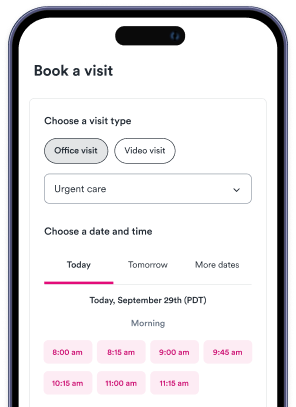
If you’re struggling, Solv can help you connect with mental health providers and same-day urgent care for non-emergency mental health concerns.
Frequently asked questions
Can urgent care help with mental health issues?
Urgent care can be a useful starting point for non-emergency mental health concerns — for example, refills of certain non-controlled medications, a referral to a therapist or psychiatrist, evaluation of anxiety-related physical symptoms, or guidance on next steps. Urgent care is not the right setting for psychiatric emergencies. If you or someone you know is having thoughts of self-harm or suicide, call or text 988, or go to the nearest emergency room.
What is the difference between a therapist, psychologist, and psychiatrist?
A psychiatrist is a medical doctor (MD or DO) who can diagnose mental health conditions, prescribe medication, and provide therapy. A psychologist typically holds a doctoral degree (PhD, PsyD, or EdD) and provides testing and talk therapy; in most states psychologists do not prescribe medication. "Therapist" is a broader term that can include psychologists, licensed professional counselors, licensed marriage and family therapists, clinical social workers, and others trained to provide psychotherapy.
Is mental health care covered by insurance?
Most health insurance plans in the United States are required to cover mental health and substance use services, often at a similar level to physical health services. Coverage details — including which providers are in-network, copays, and visit limits — vary by plan. Check your member portal or call the number on the back of your insurance card to confirm benefits before scheduling.
How can I tell if a loved one is struggling with their mental health?
Watch for persistent changes that last more than a couple of weeks: withdrawal from friends and activities, changes in sleep or appetite, irritability or hopelessness, decline in performance at work or school, increased substance use, or talk about being a burden or wanting to disappear. Approach with curiosity rather than judgment, listen without trying to fix, and offer to help them connect with a primary care provider or mental health professional. If they mention self-harm or suicide, take it seriously and call or text 988 together.
Can children and teens have mental health problems?
Yes. Mental health conditions can appear in childhood and adolescence; anxiety and depression are among the most common. Signs in younger people may look different than in adults — for example, irritability, school avoidance, frequent stomachaches or headaches, sleep changes, or sudden drops in grades. A child's pediatrician or family medicine provider is a good first stop for screening and referral to pediatric mental health care.
Does exercise really help mental health?
Yes. Regular physical activity is one of the most well-supported habits for mental well-being. It can reduce symptoms of anxiety and depression, improve sleep, and boost energy and mood. You do not need an intense routine — even short walks, stretching, or gentle activity most days of the week can make a meaningful difference. Exercise is a helpful complement to, not a replacement for, professional care when it is needed.
 Urgent care near me