 Urgent care near me
 Monkeypox
Stay in the know about monkeypox to protect yourself and your family

Medically reviewed by
Dr. Rob Rohatsch, MD
Updated on Jul 23, 2026
What is monkeypox?
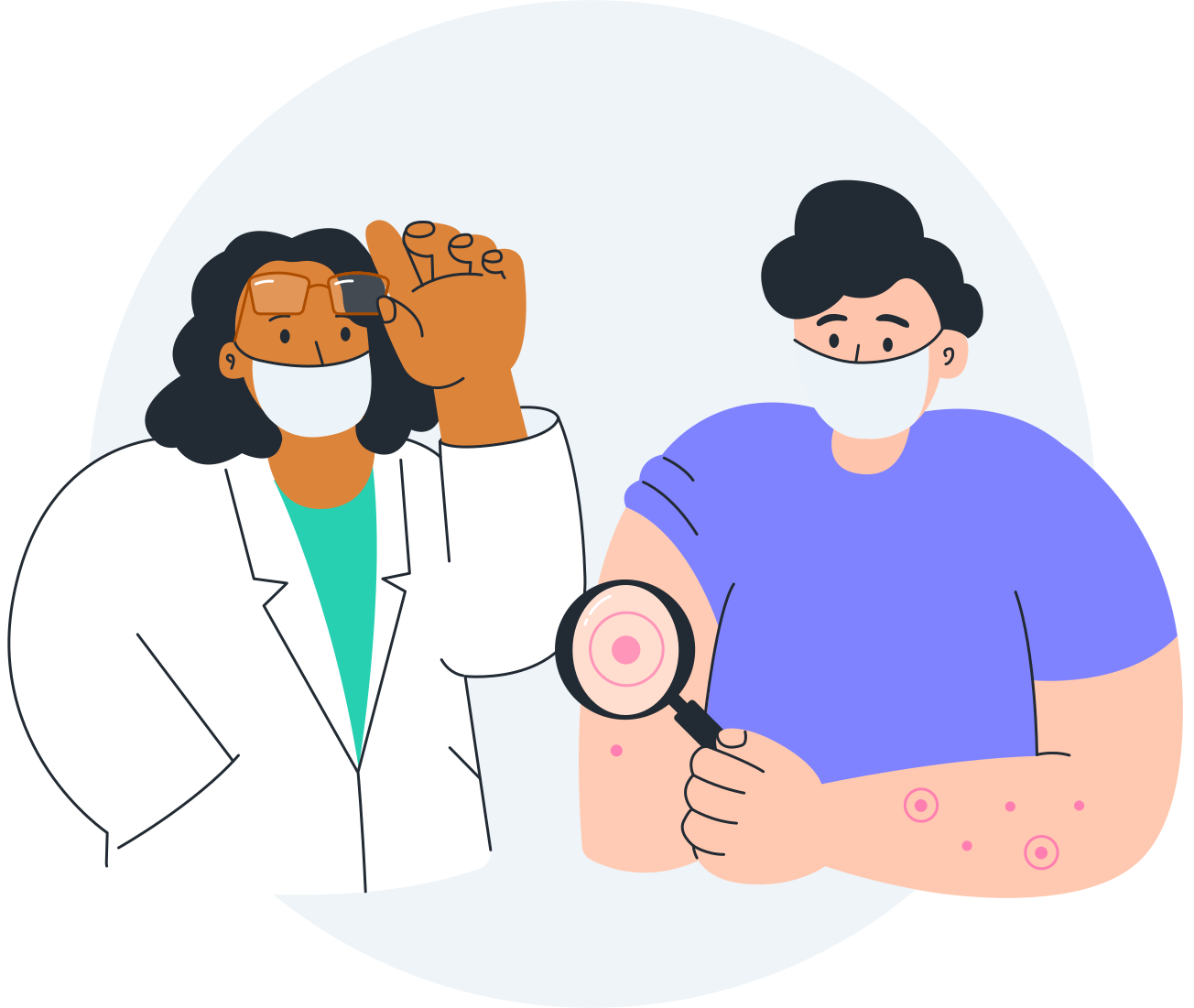
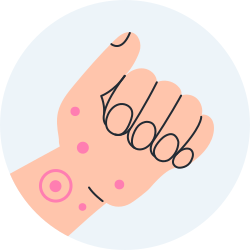
According to the CDC, Monkeypox is a disease caused by a virus similar to smallpox, yet much less severe. Symptoms often include a rash that starts as small bumps and turns into fluid-filled blisters that eventually scab over. Most people with monkeypox get better on their own without treatment.
What should I do if I have symptoms?
If you or a family member develops monkeypox symptoms, the CDC recommends that you isolate immediately. Schedule a telemedicine appointment to discuss symptoms and arrange for testing. Notify anyone that you, or the infected individual, has been in close contact with since symptoms started.
How does monkeypox spread?
According to the CDC, Monkeypox spreads through close contact with an infected person or contaminated materials such as clothing or bedding. The most common means of transmission is close contact with an infected person’s rash, bodily fluids, or respiratory droplets.
Monkeypox Signs and Symptoms
According to the CDC, monkeypox may start with similar symptoms to the flu, including fever, low energy, or body aches. Monkeypox symptoms usually start within 3 weeks of exposure and typically last 2-4 weeks.
All infections include a rash that may be located on or near the genitals, hands, feet, chest, face, or mouth. Other symptoms can include:
- Fever
- Chills
- Swollen lymph nodes
- Exhaustion
- Muscle aches and backache
- Headache
- Respiratory symptoms
How to Stay Healthy...
According to the CDC, the best way to avoid getting Monkeypox is to avoid coming into contact with the virus, and getting vaccinated if you’re eligible. Here are the main things the CDC is recommending:

Wash your hands
Use soap and warm water, washing for at least 20 seconds, especially after using the bathroom, before eating, and after blowing your nose, coughing, or sneezing.

Keep your distance
Avoid contact with anyone who has monkeypox or who has an unexplained rash. Also avoid contact with objects that a person with monkeypox has used.

Get vaccinated
You may be eligible for vaccination if you have had contact with someone with monkeypox, or if you have had multiple sexual partners in the last 14 days.

Stay home when sick
If symptoms develop, you should immediately self-isolate. This helps prevent the viral spread at work, school, and anywhere else you spend time..
Monkeypox FAQs
How should I handle monkeypox exposure?
According to the CDC, if you or your child has been exposed to a person with monkeypox, schedule an appointment to discuss next steps with a medical provider. In many cases, receiving a vaccination post-exposure is effective in preventing infection. It’s important to monitor for signs and symptoms of monkeypox for 21 days. The exposed individual can continue their daily routine as long as they do not have any signs or symptoms.Can I get a monkeypox vaccine?
The monkeypox vaccine availability varies from state to state. You may be eligible for vaccination if you had contact with someone with monkeypox, attended an event where there was a high risk of exposure, if you are experiencing homelessness, or if you are a gay or bisexual man who has had multiple or anonymous sex partners in the last 14 days. Learn more through your local health department: https://www.cdc.gov/publichealthgateway/healthdirectories/healthdepartments.htmlAre children at risk for monkeypox?
According to CDC data, the risk of monkeypox in children is low, currently making up less than 0.1% of all cases. Children are more likely to be infected if they live in areas with higher rates of infection. Children also have increased risk if they have eczema or other skin conditions.Is monkeypox deadly?
According to CDC data, over 99% of infections are not fatal. However, people who are immunocompromised, including children under the age of 8, people with eczema, and people who are pregnant, may be more likely to get seriously ill. The current outbreak has caused just one death in the United States to date.How is monkeypox tested?
As of August 23, 2022, the CDC advises tests for monkeypox only if you have a rash similar to that of a monkeypox rash. There is no home test for monkeypox. Currently, tests are available only through your healthcare provider. Your provider will take swabs from your rashes and send them to a lab for analysis. Results may take a couple of days. During your wait, the CDC recommends taking the necessary precautions and isolating, avoiding skin-to-skin contact with other individuals, and washing your hands often.Where can I get a monkeypox test?
The easiest way to get tested for monkeypox is to schedule a telemedicine or urgent care appointment. A medical provider will evaluate your symptoms and order a monkeypox test at a site near you.Where did monkeypox come from?
Monkeypox is rare and, in the past, mostly found in the regions of West and Central Africa. The few cases detected in other countries were linked to travel. However, according to recent reports from the CDC, several of the latest monkeypox cases seem to have no direct link to travel, and there may be new symptoms, which is why experts are paying close attention.Is monkeypox a sexually transmitted infection (STI)?
Although monkeypox can be transmitted through sex, it is not considered a sexually transmitted disease. Monkeypox can be spread through close personal, often skin-to-skin contact, whether non-sexual or sexual in nature.Should I be concerned about going to crowded events?
According to the CDC, if you are concerned about contracting monkeypox and are attending a crowded event, consider how much skin-to-skin contact is likely to occur. Events where attendees are fully clothed are safer than clubs or raves where people may be wearing minimal clothing. In general, avoid skin-to-skin contact and be mindful of intimate activities like kissing or other sexual contact.How can I find out if I am eligible for a vaccine and where can I get it?
Contact your local health department, or nearest approved vaccine location, to find out if you are eligible for the monkeypox vaccine and where it’s available. https://www.cdc.gov/publichealthgateway/healthdirectories/healthdepartments.htmlHow effective is the monkeypox vaccine?
There is no vaccine developed specifically for monkeypox, but smallpox vaccines can be used to fight monkeypox infections. Jynneos is a vaccine approved by the FDA in 2019 for adults over 18 to prevent smallpox and monkeypox. The vaccine is administered in two doses, four weeks apart. WHO and the CDC believe that the smallpox vaccines are 85% effective against monkeypox.
Additional Resources
Medically reviewed by
Dr. Rob Rohatsch, MD
Updated on Jul 23, 2026
Solv has strict sourcing guidelines and relies on peer-reviewed studies, academic research institutions, and medical associations. We avoid using tertiary references.