Urgent care near me
 Key points
- The vast majority of mosquito bites cause only local itching and swelling — a normal immune response.
- Skeeter syndrome is an exaggerated allergic reaction causing extensive swelling, blistering, and low-grade fever — often mistaken for cellulitis.
- Signs of secondary bacterial infection include increasing warmth, spreading redness, pus, and red streaks from the bite site.
- Mosquitoes in the U.S. can transmit West Nile virus, Eastern equine encephalitis, and La Crosse encephalitis — though transmission is uncommon.
- West Nile fever symptoms — fever, headache, body aches, joint pain, rash — typically appear 3–14 days after a bite from an infected mosquito.
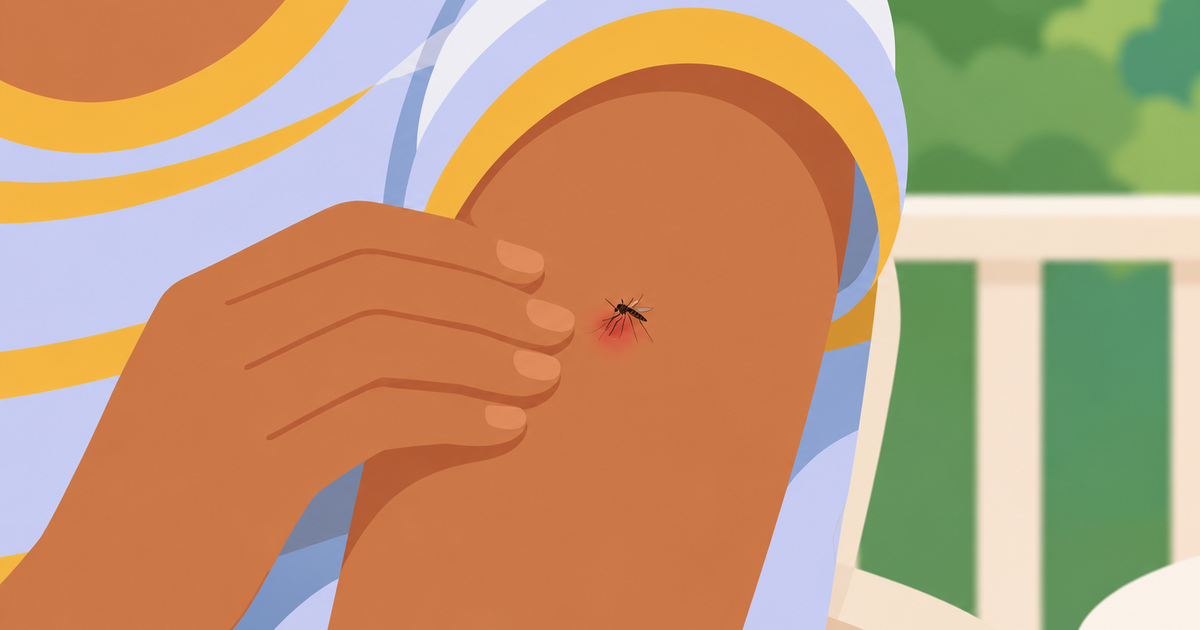
If you spend any time outdoors during warmer months, mosquito bites are an unavoidable part of life. For most people, a bite means a small itchy bump that fades in a day or two — nothing more than an annoyance. But occasionally, a mosquito bite causes a more significant reaction, becomes infected, or is associated with a mosquito-borne illness. Knowing the difference between a normal bite and one that deserves medical attention can help you respond appropriately without unnecessary alarm.
Why mosquito bites itch: the normal reaction
When a mosquito bites, it injects saliva into the skin to prevent blood from clotting while it feeds. The immune system recognizes proteins in that saliva as foreign and responds by releasing histamine, which causes blood vessels to dilate and sensory nerves to become more sensitive. The result is the familiar raised, itchy wheal — a localized allergic response that is entirely normal and not cause for concern.
For most adults, this reaction is small and short-lived, typically resolving within a few hours to a day. First-time exposure to mosquito saliva proteins (common in young children) can actually produce no reaction at all, since the immune system hasn't yet developed antibodies. With repeated exposures over time, the immune system becomes sensitized and the typical itchy bump response develops. In some people, particularly older adults, repeated exposures eventually produce less and less reaction as the immune response habituates.
Skeeter syndrome: when the reaction goes too far
In some individuals, the immune response to mosquito saliva is dramatically exaggerated. This condition — called skeeter syndrome — is not a minor nuisance. It can produce substantial swelling, redness, warmth, and hardness around the bite site, sometimes affecting an entire limb. Blisters may form, and a low-grade fever is sometimes present. The reaction typically peaks within 8–48 hours of the bite and can last several days.
Skeeter syndrome is most common in young children who haven't yet developed tolerance, and in people with compromised immune systems. It's also seen more frequently in people who have had limited prior mosquito exposure, such as those who have traveled to regions with different mosquito species. The key clinical challenge with skeeter syndrome is that it closely mimics cellulitis — a bacterial skin infection — in appearance. Both cause redness, warmth, and swelling. The critical distinction is timing: skeeter syndrome begins within hours of a bite and improves over days; cellulitis tends to develop more gradually and worsens without treatment. A history of the bite and the timeline of symptom development helps providers make the distinction.
Treatment for skeeter syndrome focuses on controlling the allergic response: oral antihistamines, topical corticosteroids, and cold compresses. In severe cases, a short course of oral corticosteroids may be prescribed.
Signs a mosquito bite has become infected
Bacterial infection of a mosquito bite site most often occurs through scratching, which breaks the skin barrier and introduces bacteria from the fingernails or surrounding skin surface. Staphylococcus aureus and Streptococcus pyogenes are the most common culprits. Signs that distinguish infected bites from normal reactions include:
- Redness that expands progressively beyond the original bite site
- Increasing pain or tenderness (rather than just itching)
- Warmth and firmness of the surrounding skin
- Pus or cloudy discharge from the bite site
- Red streaks extending from the bite toward the body (a sign of lymphangitis)
- Fever or chills
Red streaks moving away from an infected wound are a particularly important warning sign — they indicate that infection may be spreading through the lymphatic system and require prompt medical evaluation. Cellulitis from a mosquito bite typically requires oral antibiotics and sometimes IV antibiotics if the infection is extensive. Do not attempt to drain infected bites at home, and avoid squeezing or picking at the area.
Mosquito-borne illness in the United States
While the United States doesn't face the burden of mosquito-borne diseases seen in tropical regions — malaria, dengue, and chikungunya are not endemic here — several mosquito-transmitted viruses do circulate domestically. The most clinically significant are West Nile virus, Eastern equine encephalitis (EEE) virus, and La Crosse encephalitis virus. Transmission is uncommon relative to the enormous number of mosquito bites that occur, but the illnesses can be serious when they do occur.
West Nile virus is the most commonly reported mosquito-borne disease in the continental United States. The Centers for Disease Control and Prevention reports cases every year, primarily in late summer and early fall. Most people infected with West Nile virus — roughly 80% — never develop any symptoms. About 20% develop West Nile fever: a flu-like illness with fever, headache, fatigue, body aches, and sometimes a skin rash or swollen lymph nodes. Symptoms typically appear 3–14 days after the bite from an infected mosquito and usually resolve on their own within a week or two. Approximately 1 in 150 infected people develops neuroinvasive disease — meningitis or encephalitis — which can be severe and life-threatening. Older adults and immunocompromised individuals are at greatest risk.
Eastern equine encephalitis is rarer but more dangerous, with a fatality rate of approximately 30% in those who develop encephalitis. La Crosse encephalitis is most common in children in the upper Midwest and Appalachian regions. Symptoms of encephalitis from any of these viruses — high fever, severe headache, stiff neck, confusion, seizures, or coma — require immediate emergency evaluation.
When to see a provider
The vast majority of mosquito bites require nothing beyond basic home care: a cold pack to reduce swelling and itching, topical hydrocortisone cream or oral antihistamines to blunt the itch response, and restraint from scratching to keep the skin barrier intact. But certain situations clearly warrant medical evaluation:
- Signs of infection as described above — spreading redness, increasing pain, pus, red streaks, or fever
- A large, severely swollen, or blistering reaction consistent with skeeter syndrome, especially in a young child
- Signs of a systemic allergic reaction, including hives beyond the bite site, throat tightness, or difficulty breathing — which require emergency care
- Fever, severe headache, stiff neck, confusion, or muscle weakness within 2 weeks of significant mosquito exposure
When to visit urgent care
Urgent care is well-suited for mosquito bite complications that don't rise to the level of a true emergency. If your bite site looks infected, is expanding rapidly, or is associated with fever, a same-day urgent care visit is the right move. Providers can evaluate whether the reaction is allergic or infectious, prescribe antibiotics for confirmed cellulitis, and distinguish skeeter syndrome from infection. For systemic symptoms suggesting a mosquito-borne illness, urgent care can order blood work and guide you to the appropriate level of care if needed. Solv lets you find urgent care near you and book a same-day visit in minutes so you're not left waiting in the dark about what's causing that bite.
Frequently asked questions
How do I know if my mosquito bite is infected?
Signs of infection include warmth, spreading redness beyond the initial bump, increasing pain, pus or discharge, and red streaks moving away from the bite. These signs require antibiotics.
What is skeeter syndrome?
Skeeter syndrome is an allergic hypersensitivity to mosquito saliva producing significant swelling, blistering, and sometimes low-grade fever. It's most common in young children and immunocompromised people. It looks like infection but isn't.
Should I worry about West Nile virus?
Most mosquito bites don't transmit West Nile. About 80% of infected people never develop symptoms. However, fever, severe headache, stiff neck, confusion, or muscle weakness within 2 weeks of heavy mosquito exposure warrants evaluation.
What's the fastest way to stop a mosquito bite from itching?
Cold pack reduces swelling and numbs the area. OTC hydrocortisone cream or oral antihistamines reduce the itch response. Avoid scratching — it significantly increases infection risk.
When should I see a doctor for a mosquito bite?
See a provider if you develop signs of infection, have an unusually large reaction with significant swelling or blistering, or develop systemic symptoms within 2 weeks of heavy mosquito exposure.

Dr. Linda Halbrook is a Board-Certified Family Medicine physician with over 40 years of experience, dedicated to providing comprehensive care to patients across Texas. She retired from practice but currently serves on the Clinical Services Committee of CommonGood Medical, a non-profit organization serving the uninsured in Collin County.
How we reviewed this article
Medically reviewed
View this article's sources and history, and read more about Solv's Content Mission Statement, editorial process, and editorial team.
6 sources
Solv has strict sourcing guidelines and relies on peer-reviewed studies, academic research institutions, and medical associations. We avoid using tertiary references.
- West Nile virus. (November 16, 2023)
- Eastern equine encephalitis. (September 7, 2023)
- Peng Z, et al.. Advances in mosquito allergy. Curr Opin Allergy Clin Immunol. (2007)
- Insect bites and stings. (October 10, 2022)
- Mosquitoes and disease. (April 4, 2023)
- Peng Z, et al.. Mosquito allergy: immune mechanisms and recombinant salivary allergens. Int Arch Allergy Immunol. (2004)
Solv’s team of medical writers and experts review and update our articles when new information becomes available.
May 22 2026
Written by Solv Editorial Team
Medically reviewed by: Dr. Rob Rohatsch, MD
May 22 2026
Edited by Solv Editorial Team
June 03 2026
Edited by Solv Editorial Team