The holidays are supposed to be joyful, but for many people they bring a distinct kind of exhaustion — a mix of financial pressure, family tension, packed schedules, and disrupted routines that accumulates from November through January. Holiday stress is not just in your head: it has measurable effects on the immune system, cardiovascular health, sleep, and mental health. Understanding what is happening in your body can help you take steps to protect yourself through the season.
Why do the holidays cause so much stress?
Holiday stress has multiple drivers that compound each other. Financial pressure from gift-giving and travel, the emotional complexity of family gatherings, social obligations that crowd an already-full schedule, disruption of sleep and exercise routines, and overindulgence in alcohol and food all play a role. For people who have experienced loss or estrangement, the holiday emphasis on togetherness can intensify grief and loneliness. Research on seasonal mental health patterns shows that this period is associated with measurable increases in cortisol — the body's primary stress hormone — which in sustained amounts suppresses immune function, disrupts sleep, and raises cardiovascular risk (PMID 41006651).
How does holiday stress affect your physical health?
Chronic stress activates the body's fight-or-flight response, releasing cortisol and adrenaline. In short bursts this is helpful, but sustained stress suppresses the immune response at exactly the time when influenza, RSV, and other respiratory illnesses are circulating most heavily. Studies have documented higher infection rates in individuals reporting high stress. Stress also disrupts sleep, which further weakens immune defenses. Cardiovascular effects are real: cardiac events and sudden cardiac deaths increase around the winter holidays — a phenomenon documented in multiple large population studies and sometimes called holiday heart syndrome.
What does holiday stress look like?
Holiday stress may manifest differently than everyday stress. Common signs include difficulty falling or staying asleep even when exhausted, irritability that feels out of proportion, persistent fatigue, headaches or muscle tension, gastrointestinal symptoms like stomachaches or appetite changes, increased alcohol or caffeine consumption, and a sense of dread about upcoming events. Many people normalize these symptoms as "just the holidays" rather than recognizing them as stress responses that deserve attention.
What actually helps reduce holiday stress?
The evidence points to several strategies that are genuinely effective. Setting a realistic budget before shopping and communicating it clearly with family addresses one of the most consistent predictors of holiday distress. Protecting sleep matters — adults need seven to nine hours per night for effective immune function. Exercise is one of the most powerful stress regulators; even 20 to 30 minutes three to four days per week reduces cortisol and improves mood. Limiting alcohol matters because it is a depressant that disrupts sleep and blunts immune function. Setting boundaries around commitments prevents overcommitment, a primary driver of holiday burnout. Maintaining genuine social connection — even brief — counteracts the physiological stress response more effectively than isolation.
When should holiday stress prompt a medical or mental health visit?
Most holiday stress responds to self-care strategies, but some situations warrant professional evaluation. Seek care if stress is accompanied by persistent sadness or hopelessness lasting more than two weeks, inability to function at work or home, significant changes in appetite or sleep, thoughts of self-harm, or physical symptoms like chest pain. Telehealth mental health providers can often see you within days for anxiety or depression.
How Solv can help
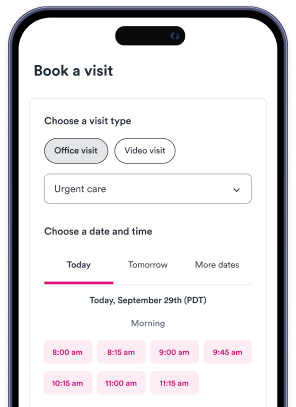
If holiday stress is affecting your physical health — or you need a telehealth appointment for anxiety or depression — Solv connects you with care quickly. Visit solvhealth.com to book urgent care or telehealth today.
Frequently asked questions
Is holiday stress normal?
Yes, holiday stress is extremely common. Surveys consistently show that a majority of adults report increased stress from November through January due to financial, social, and logistical pressures.
How does stress make you physically sick during the holidays?
Sustained stress raises cortisol, which suppresses immune cell activity, disrupts sleep, and increases inflammation — all of which increase susceptibility to respiratory infections.
What is the difference between holiday stress and seasonal depression?
Holiday stress is typically tied to specific events and eases after the holidays end. Seasonal affective disorder (SAD) is a clinical condition tied to reduced daylight hours and requires specific treatment.
Can holiday stress cause chest pain?
Stress can cause chest tightness from muscle tension, but chest pain should always be evaluated medically to rule out cardiac causes. Go to the ER for chest pain with shortness of breath, dizziness, or sweating.
What is holiday heart syndrome?
Holiday heart syndrome refers to cardiac arrhythmias triggered by alcohol consumption and stress during the holiday season. It is a recognized clinical phenomenon with real risk of serious complications.
 Urgent care near me