Urgent care near me
 Key points
- Antibiotics do not treat colds as they are caused by viruses, not bacteria, and their misuse can lead to unwanted side effects.
- Antibiotics are effective in treating bacterial infections such as strep throat, certain types of bronchitis, pneumonia, and ear infections.
- Overuse of antibiotics can lead to antibiotic resistance, disrupt gut bacteria, interact with other medications, and cause side effects.
- Rest, hydration, over-the-counter remedies, and home care are effective in managing cold symptoms; consult a doctor if symptoms persist or worsen.
vWhat is the common cold?
The common cold is exactly what it sounds like — common. It’s caused by viruses, not bacteria, which means antibiotics won’t do anything to help you get better. Most colds come with familiar symptoms like a runny or stuffy nose, sore throat, mild cough, and general tiredness. While these symptoms can definitely be annoying, the CDC notes that they usually clear up on their own within a week or so. Rest, fluids, and over-the-counter remedies are often all you need to feel better without a trip to the doctor.
Why antibiotics don’t work for colds
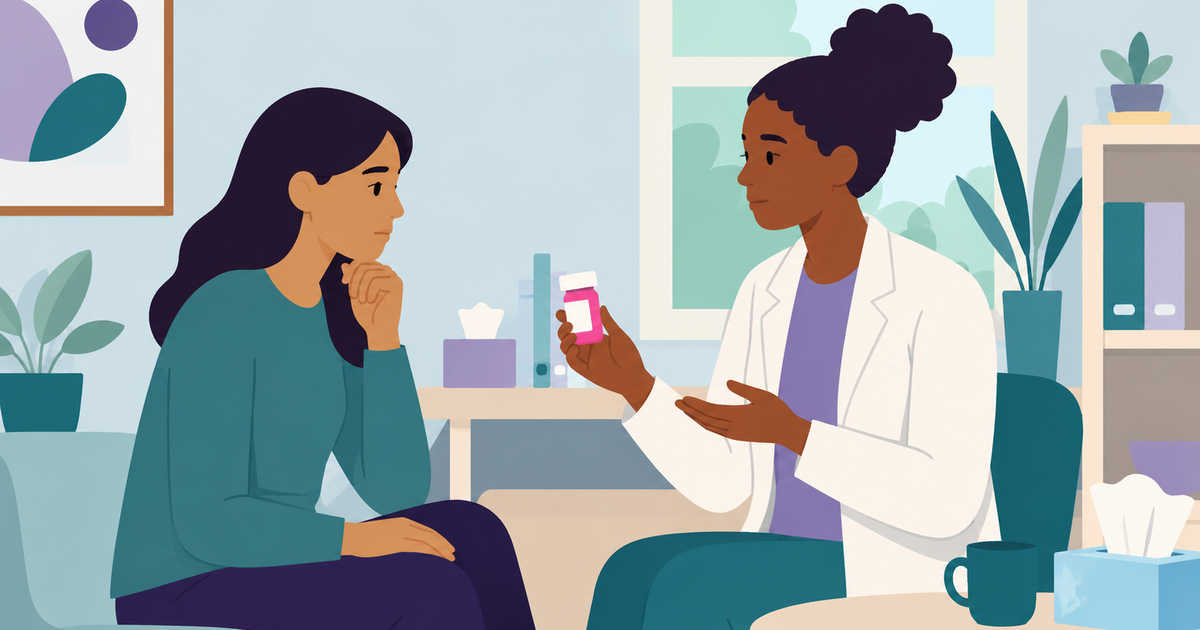
Antibiotics are powerful tools, but only when used for the right kind of infection. They’re designed to kill bacteria, so if you have a cold caused by a virus, antibiotics won’t help and might even do more harm than good. Taking them when you don’t need them won’t speed up your recovery, and it could cause side effects like nausea, diarrhea, rashes, or even allergic reactions. That’s why doctors often recommend rest and symptom relief instead of antibiotics for typical colds. Using antibiotics only when truly necessary helps protect your health and keeps them effective when you really do need them.
When antibiotics are actually needed
While antibiotics aren’t helpful for viral illnesses like the common cold, they can be very effective when a bacterial infection is to blame. Conditions like:
- Strep throat
- Bacterial sinus infections
- Some types of bronchitis or pneumonia
- Certain types of ear infections
Figuring out the cause isn’t always straightforward; only a healthcare provider can determine whether your symptoms indicate a bacterial cause, sometimes with the aid of tests such as a throat swab or chest X-ray. That’s why it’s important not to self-diagnose or use leftover medication.
The risks of taking antibiotics when you don’t need them
Taking antibiotics when you don’t actually need them might seem harmless, but it can lead to some real problems down the line. One of the biggest concerns is antibiotic resistance. When bacteria become stronger and harder to treat because they’ve been exposed to antibiotics too often, these medications can also wipe out the good bacteria in your gut, which can throw off your digestive balance and lead to issues like yeast infections or stomach upset. Plus, antibiotics can interact with other medications or cause side effects like rashes, nausea, or more serious complications. In the end, using them unnecessarily doesn’t just waste time and money; it can make future infections more difficult to manage.
How to feel better without antibiotics
If you’ve got a cold, the good news is there are plenty of ways to feel better without needing antibiotics:
- Rest is key. Your body needs time to fight off the virus.
- Staying hydrated helps thin mucus and ease congestion
- Over-the-counter options like decongestants, throat lozenges, or pain relievers can take the edge off your symptoms
- Saline nasal rinses can soothe irritated sinuses, while warm teas, honey, and humidifiers help calm a nagging cough and keep your airways moist
And don’t forget to stay home if you’re sick. Giving yourself time to recover also helps protect others from getting sick as well.
When to see a doctor for cold symptoms
Sometimes a cold just needs time, but there are moments when it’s smart to check in with a doctor:
- If your symptoms are dragging on for more than 10 days, or if things start getting worse instead of better, it could be a sign of something more serious.
- A high fever, facial pain, earache, or trouble breathing aren’t typical for a basic cold and should be evaluated.
- It’s also important to be extra cautious if you have underlying health issues like asthma, diabetes, or a weakened immune system, since even a mild illness can lead to complications.
When in doubt, a quick visit to urgent care can give you peace of mind and a plan for feeling better.
Not sure if you need antibiotics? Visit urgent care for answers
If your cold symptoms aren’t improving, or you’re wondering if something more serious is going on, a quick visit to urgent care can give you clarity. Book a same-day appointment with a nearby provider to find out whether you actually need antibiotics or if rest and home care are the best way to feel better.
If a cough persists or worsens despite avoiding antibiotics, it may be time for in-person care. See 7 signs it's time to visit urgent care for a cough.
Understanding how long the flu typically lasts can help you know when symptoms are dragging on longer than expected—one signal that a secondary bacterial infection may be at play.
Frequently asked questions
Can antibiotics help cure a common cold faster?
No, antibiotics are not effective in treating colds because colds are caused by viruses, not bacteria. Antibiotics are designed to treat bacterial infections.
What are some potential side effects of taking antibiotics for a cold?
Taking antibiotics when not needed can lead to side effects such as nausea, diarrhea, rashes, allergic reactions, and even more serious complications. It can also lead to antibiotic resistance and disrupt the balance of good bacteria in your gut.
When are antibiotics necessary for treatment?
Antibiotics are necessary when a bacterial infection is present. Conditions such as strep throat, bacterial sinus infections, certain types of bronchitis or pneumonia, and some ear infections may require antibiotics. Only a healthcare provider can determine if your symptoms indicate a bacterial infection.
What can I do to feel better when I have a cold, if not taking antibiotics?
Rest, staying hydrated, and over-the-counter remedies can help alleviate symptoms of a common cold. Other methods such as saline nasal rinses, warm teas, honey, and humidifiers can also help soothe symptoms.
When should I see a doctor for cold symptoms?
You should see a doctor if your symptoms persist for more than 10 days, if they start getting worse, or if you experience a high fever, facial pain, earache, or trouble breathing. It's also important to see a doctor if you have underlying health issues like asthma, diabetes, or a weakened immune system.

Dr. Linda Halbrook is a Board-Certified Family Medicine physician with over 40 years of experience, dedicated to providing comprehensive care to patients across Texas. She retired from practice but currently serves on the Clinical Services Committee of CommonGood Medical, a non-profit organization serving the uninsured in Collin County.
How we reviewed this article
Medically reviewed
View this article's sources and history, and read more about Solv's Content Mission Statement, editorial process, and editorial team.
2 sources
Solv has strict sourcing guidelines and relies on peer-reviewed studies, academic research institutions, and medical associations. We avoid using tertiary references.
- Manage Common Cold. (August 9, 2025)
- Antibiotics for the common cold. (August 10, 2025)
Solv’s team of medical writers and experts review and update our articles when new information becomes available.
February 25 2026
Written by Solv Editorial Team
Medically reviewed by: Dr. Rob Rohatsch, MD
May 01 2026
Edited by Solv Editorial Team
May 03 2026
Edited by Solv Editorial Team
May 06 2026
Edited by Solv Editorial Team
May 23 2026
Edited by Solv Editorial Team
May 27 2026
Edited by Solv Editorial Team
June 03 2026
Edited by Solv Editorial Team

![In the nurse's office: Common sicknesses in schools [infographic]](https://ucl-cdn-prod.thirdparty.solvhealth.com/dir/media/W1siZiIsIjIwMjYvMDUvMTkvMTkvNTEvMjQvZDFjZTVmNjQtZDhmYy00ODg1LTkyNjAtOGJjY2Y0NjM2ODIxL2luLXRoZS1udXJzZS1zLW9mZmljZS1jb21tb24tc2lja25lc3Nlcy1pbi1zY2hvb2wtaW5mb2dyYXBoaWMtaWxsdXN0cmF0aW9uLmpwZyJdLFsicCIsInRodW1iIiwiMzAweCJdXQ?sha=51c96489b1dc6bec)