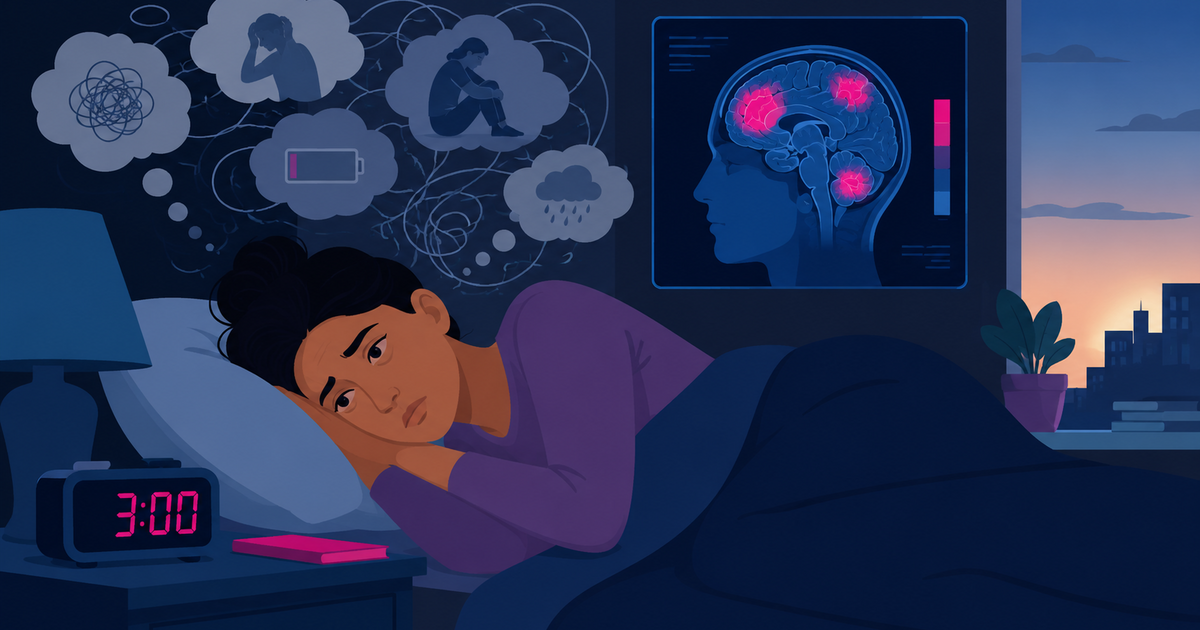
Sleep isn’t just a luxury; it’s one of the most important foundations for your brain and emotional health. When you don’t get enough rest, the Columbia University Department of Psychology says it’s not only your energy levels that suffer; your mood, focus, and overall mental well-being take a hit, too. In fact, sleep issues and mental health problems often go hand-in-hand, each making the other worse in a difficult cycle. Read on to explore how poor sleep impacts your mental health, the common symptoms to watch for, and practical steps you can take to start feeling better.
How sleep affects your brain and mood
Quality sleep gives your brain a chance to recharge; it’s when memories are sorted and stored, your mood is regulated, and your nervous system gets a much-needed reset. Without enough rest, the National Institute of Health explains that your brain struggles to process emotions, making you more reactive and less able to handle everyday stress. Over time, chronic sleep deprivation chips away at your ability to focus, make good decisions, and bounce back from challenges, leaving you more vulnerable to mood swings and burnout.
Mental health symptoms linked to poor sleep
It doesn’t take long to feel the mental effects of poor sleep; sometimes, even one rough night can leave you irritable or foggy the next day. But when sleep problems become a pattern, the emotional and psychological toll can grow much heavier. Here are some common mental health symptoms linked to lack of rest:
- Irritability or mood swings that make it harder to regulate emotions
- Difficulty concentrating or remembering things, often described as “brain fog”
- Increased anxiety or racing thoughts that spiral more easily when you’re overtired
- Feelings of hopelessness or depression that can deepen with ongoing sleep loss
- Low motivation or fatigue, making even simple tasks feel overwhelming
- Greater sensitivity to stress, leaving you less resilient to daily challenges
The longer poor sleep continues, the more these symptoms can pile up, creating a cycle that’s tough to break without intentional care.
Conditions commonly worsened by sleep issues
Poor sleep doesn’t just cause new problems; it can make existing mental health conditions harder to manage:
- For people with anxiety disorders, lack of rest often ramps up physical tension and mental worry.
- In depression, sleep issues can act as both a cause and a symptom, deepening feelings of sadness or hopelessness.
- Those with ADHD may find that reduced sleep worsens focus, attention, and emotional control, while individuals living with PTSD often experience more intense flashbacks, nightmares, or hypervigilance when rest is disrupted.
- For those with bipolar disorder, irregular sleep patterns can even trigger mood episodes, making consistent rest an important part of treatment and stability.
Everyone has the occasional sleepless night, but there comes a point when poor sleep starts signaling a bigger issue, according to the NIH. It may be time to seek help if:
- You’ve had trouble sleeping for more than 2–3 weeks
- If your lack of rest is affecting your mood, relationships, or performance at work or school
- Other warning signs include feeling tired but “wired,” being unable to turn your brain off, or waking up exhausted, no matter how long you’ve been in bed
- Relying on caffeine, alcohol, or late-night screen time just to get by is another red flag
- If you’ve started to feel hopeless, withdrawn, or overwhelmed, reaching out for professional support is an important next step
How to support your mental health with better sleep
Improving your sleep habits can have a powerful impact on your mental health, and the good news is that small changes add up. Start by creating a consistent sleep-wake routine, even on weekends, to train your body’s internal clock. Limit caffeine and screen time before bed, since both can make it harder to wind down.
Relaxation tools like deep breathing, meditation, or gentle stretching can calm your mind and body. Setting up your bedroom to be cool, quiet, and dark also makes a big difference in sleep quality. If racing thoughts keep you awake, jot them down before bed to clear your mind. And if your sleep doesn’t improve, it’s worth talking to a healthcare provider; sometimes underlying issues like anxiety, depression, or a sleep disorder may be part of the problem.
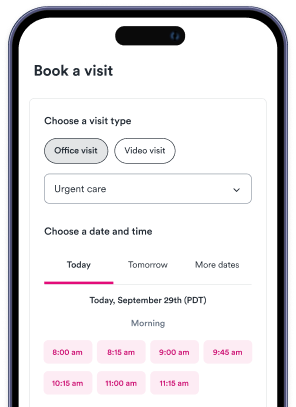
Struggling to sleep and feel like yourself? Find help today with Solv.
Visit an urgent care clinic or connect with a mental health provider for same-day support. Getting answers now can help uncover the root cause and get you back on track: rested, rebalanced, and ready to take on your days.
Frequently asked questions
How does poor sleep impact mental health?
Lack of quality sleep can have significant effects on mental health. It can lead to mood swings, difficulty in focusing, making decisions, and handling stress. Chronic sleep deprivation can also increase vulnerability to burnout. Moreover, it can worsen existing mental health conditions like anxiety disorders, depression, ADHD, PTSD, and bipolar disorder.
What are some common mental health symptoms linked to poor sleep?
Some common mental health symptoms linked to poor sleep include irritability, difficulty in regulating emotions, trouble concentrating or remembering things, increased anxiety or racing thoughts, feelings of hopelessness or depression, low motivation or fatigue, and greater sensitivity to stress.
When should one seek help for sleep-related mental health issues?
It's advisable to seek help if you've had trouble sleeping for more than 2-3 weeks, if your lack of rest is affecting your mood, relationships, or performance at work or school, or if you're relying on caffeine, alcohol, or late-night screen time to cope. Other warning signs include feeling tired but "wired," being unable to turn your brain off, waking up exhausted, or feeling hopeless, withdrawn, or overwhelmed.
How can one support their mental health with better sleep?
Improving sleep habits can have a powerful impact on mental health. This can be achieved by creating a consistent sleep-wake routine, limiting caffeine and screen time before bed, using relaxation tools like deep breathing, meditation, or gentle stretching, and setting up a conducive sleep environment. If sleep doesn't improve, it's recommended to consult a healthcare provider.
Can poor sleep worsen existing mental health conditions?
Yes, poor sleep can exacerbate existing mental health conditions. For instance, it can increase physical tension and mental worry in people with anxiety disorders, deepen feelings of sadness or hopelessness in those with depression, worsen focus, attention, and emotional control in individuals with ADHD, and trigger mood episodes in those with bipolar disorder.
 Urgent care near me