Search your location

    Depression therapy

    Depression is a widespread mental health condition that impacts daily life, relationships, and well-being. Therapy provides tools to manage symptoms and fosters healing, empowering individuals to regain control and improve their mental health.

    Depression causes persistent sadness, fatigue, and trouble concentrating.

    Therapy helps individuals effectively manage depressive symptoms.

    Support fosters healing and promotes emotional resilience.

    Depression is a prevalent mental health condition that affects millions of people worldwide, according to the National Institute of Mental Health (NIMH). They explain that it can manifest in various forms, such as major depressive disorder, persistent depressive disorder, and seasonal affective disorder. While experiencing sadness is a normal part of life, the National Alliance of Mental Illness (NAMI) explains that feelings that persist for more than two weeks can indicate a deeper issue—depression.

    Depression is a condition that can deeply affect one’s daily life, relationships, and overall well-being. It often brings about feelings of persistent sadness, fatigue, and trouble concentrating, along with a loss of interest in things that once brought joy. The good news is that therapy offers supportive methods to help individuals take back control of their lives. It equips them with valuable tools to manage their symptoms effectively. Reaching out for support is a crucial step in helping individuals navigate their challenges and begin their journey toward healing well-being.

    What is depression therapy?

    Depression therapy includes various approaches that help individuals manage symptoms and enhance well-being, according to the American Psychiatric Association. They explain that effective types are Cognitive Behavioral Therapy (CBT), which changes negative thought patterns; Behavioral Therapy, which promotes positive behaviors; and Exposure Therapy, for individuals facing anxiety related to depression by gradually confronting fears. These therapies aim to empower individuals with tools to control their depression, build resilience, and improve daily life. By tackling underlying issues, therapy can foster meaningful and lasting change.


    Who Needs Depression Therapy?

    Who Needs Depression Therapy?

    Various signs can indicate that an individual, including children, might be struggling with depression and could benefit from professional help. Here are some key indicators:

    • Empty Mood

      A persistent feeling of emptiness or sadness that lingers throughout the day can signal depression. This emotional numbness often affects an individual's ability to engage in daily activities.
    • Irritability, Tension, or Restlessness

      Increased irritability or a constant sense of tension can be signs of underlying depression. This may manifest as frustration over minor issues or an inability to relax.
    • Loss of Interest or Pleasure in Hobbies

      When someone loses interest in activities they once enjoyed, it can indicate a shift in their mental health. This withdrawal can lead to social isolation and further exacerbate depressive symptoms.
    • Changes in Sleeping Patterns

      Significant alterations in sleep, such as insomnia or oversleeping, can be a clear indicator of depression. These changes often affect energy levels and overall mood, making it challenging to cope with daily responsibilities.

    When to Seek Professional Help for Depression Issues

    Recognizing the right time to seek professional help for depression and anxiety is crucial for receiving timely and effective care. Since depression and anxiety often go hand in hand, it’s really important to tackle both conditions for a well-rounded treatment plan. Here are some key signs that might suggest it’s time to connect with a professional for support:

    • Feeling Down Most of the Time for 2 Weeks or More: If feelings of sadness or hopelessness persist for an extended period, it may indicate a deeper issue that requires professional intervention.
    • Thoughts of Self-Harm or Suicide: Experiencing thoughts of self-harm or suicide is a critical sign that immediate help is needed. It is crucial to talk to a mental health professional or call a crisis hotline for support.
    • Persistent Sad, Anxious, or “Empty” Mood: A continuous sense of sadness, anxiety, or emotional emptiness that interferes with daily life can indicate the presence of depression or anxiety disorders, warranting professional evaluation and treatment.

    3 techniques used in the treatment of depression

    Depression is diagnosed through thorough evaluations by healthcare professionals, who take into account how severe and how long the symptoms have been. Treatment usually involves a personalized, multifaceted approach that caters to each individual's unique needs. Here are a few standard techniques that can help in managing this condition depression:

    Medications

    Antidepressants are commonly prescribed to help relieve symptoms of depression. These medications work by balancing chemicals in the brain that affect mood and emotions. It's important to note that only a doctor or psychiatrist can prescribe these medications.


    Examples: Zoloft, Wellbutrin, or Cymbalta

    Psychotherapy

    Also known as talk therapy, psychotherapy involves working with a trained mental health professional to explore thoughts, feelings, and behaviors. This approach helps individuals develop coping strategies and address the root causes of their depression.


    Example: Exploring negative thoughts with a therapist to find solutions.

    Combination of Medications and CBT

    Many individuals benefit from a combined approach that includes both medication and Cognitive Behavioral Therapy (CBT). This combination can enhance the effectiveness of treatment by addressing both the biological and psychological aspects of depression.


    Example: Pairing antidepressants with CBT to manage symptoms effectively.

    Finding a therapist to treat depression near you

    Finding the right therapy services for depression is such an important step on the road to recovery, and there are many wonderful options available to meet everyone's unique needs. You can begin by looking for local therapists who specialize in treating depression, as many of them provide personalized support tailored to your experiences.

    Online counseling has become increasingly popular, allowing you to connect with licensed professionals right from the comfort of your home—this can be especially helpful for anyone with mobility challenges or a busy lifestyle. Plus, therapy centers focused on mental health often offer a variety of services, from group therapy to intensive outpatient programs, ensuring that there's something for everyone.

    How to choose the right therapist for depression therapy

    Finding the right therapist for depression is essential to recovery. Here are some tips:

    • Choose a therapist experienced in treating depression with CBT or similar evidence-based methods.
    • Look for a compassionate professional who creates a safe and supportive environment.
    • Consider therapists who offer flexible options, like online sessions or evening appointments.
    • Verify their credentials and expertise in addressing depressive disorders.
    • Select someone who emphasizes personalized treatment tailored to your unique needs.

    A supportive therapist can help you manage symptoms, build resilience, and reclaim your mental well-being.

    How to choose the right therapist for depression therapy

    FAQs

    The FAQs section is designed to offer clarity on many important aspects of treatment and diagnosis. By understanding these key points, individuals can feel more empowered as they navigate their mental health journey effectively.

    • What do therapists do to treat depression?

      Therapists have a wonderful toolbox of techniques to support those experiencing depression. One effective method is Cognitive Behavioral Therapy (CBT), which guides individuals in recognizing and reshaping negative thought patterns. In addition to CBT, they often incorporate mindfulness practices, behavioral activation, and supportive counseling. Together, these approaches empower clients to create coping strategies, strengthen resilience, and tackle the underlying issues that contribute to their feelings of depression.

    • Who can diagnose a depression disorder?

      A depression disorder can be diagnosed by caring mental health professionals, such as psychiatrists, psychologists, and licensed clinical social workers. These dedicated experts conduct thorough assessments, including friendly interviews and helpful standardized questionnaires, to evaluate symptoms and find the best support for your diagnosis.

    • What is the most common treatment for depression?

      Many people find relief from depression through a blend of psychotherapy and medication. One popular choice is Cognitive Behavioral Therapy (CBT), often used together with antidepressant medications to ease symptoms and enhance overall well-being functioning.

    • Is depression treatable with therapy?

      Absolutely, depression is very treatable with therapy! Many people see wonderful improvements in their symptoms and overall quality of life with different therapeutic options. By seeking early help and creating a customized treatment plan, individuals can effectively manage depression and start their journey toward a brighter future recovery.

    Dr. Rob Rohatsch, MD, is a Board-Certified Emergency Medicine physician and urgent care executive. He earned his MD from Jefferson Medical College, currently serves on multiple boards and is Solv’s Chief Medical Officer.

    How we reviewed this article

    Medically reviewed

    View this article’s sources and history, and read more about Solv’s Content Mission Statement, editorial process, and editorial team.

    Sources

    6 sources

    Solv has strict sourcing guidelines and relies on peer-reviewed studies, academic research institutions, and medical associations. We avoid using tertiary references.

    6 sources

    Solv has strict sourcing guidelines and relies on peer-reviewed studies, academic research institutions, and medical associations. We avoid using tertiary references.

    Get started

    Book a mental health provider

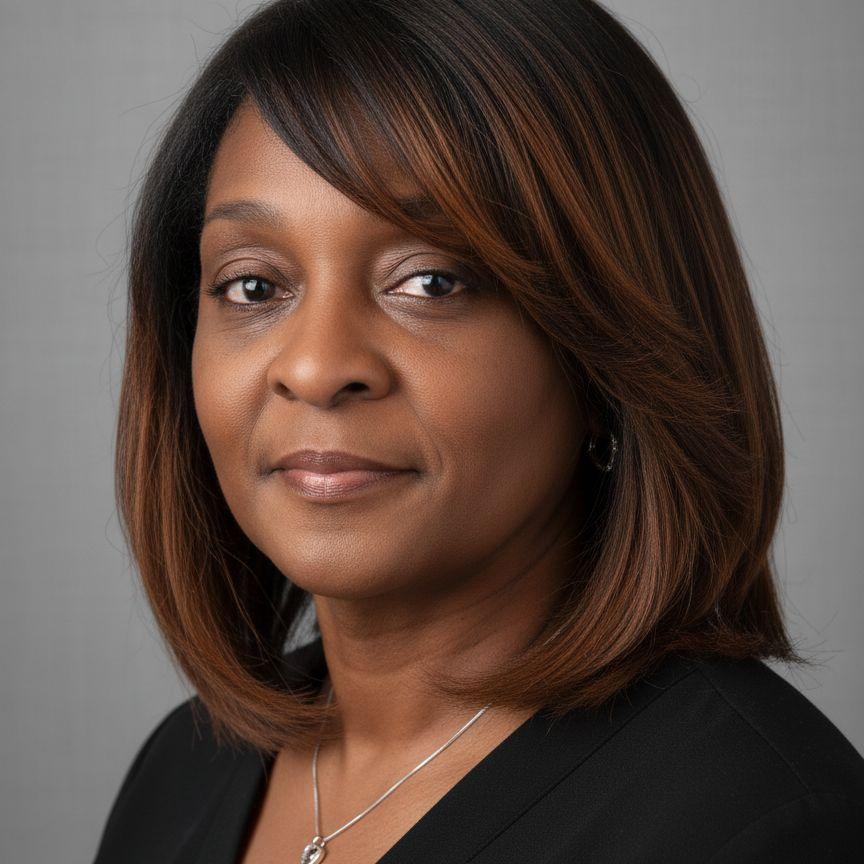
    May Yang, LISW

    Addiction, Anger Management, Coping Skills, Depression, Eating Disorders, Anxiety, Child or Adolescent, ADHD

    14 years of experience

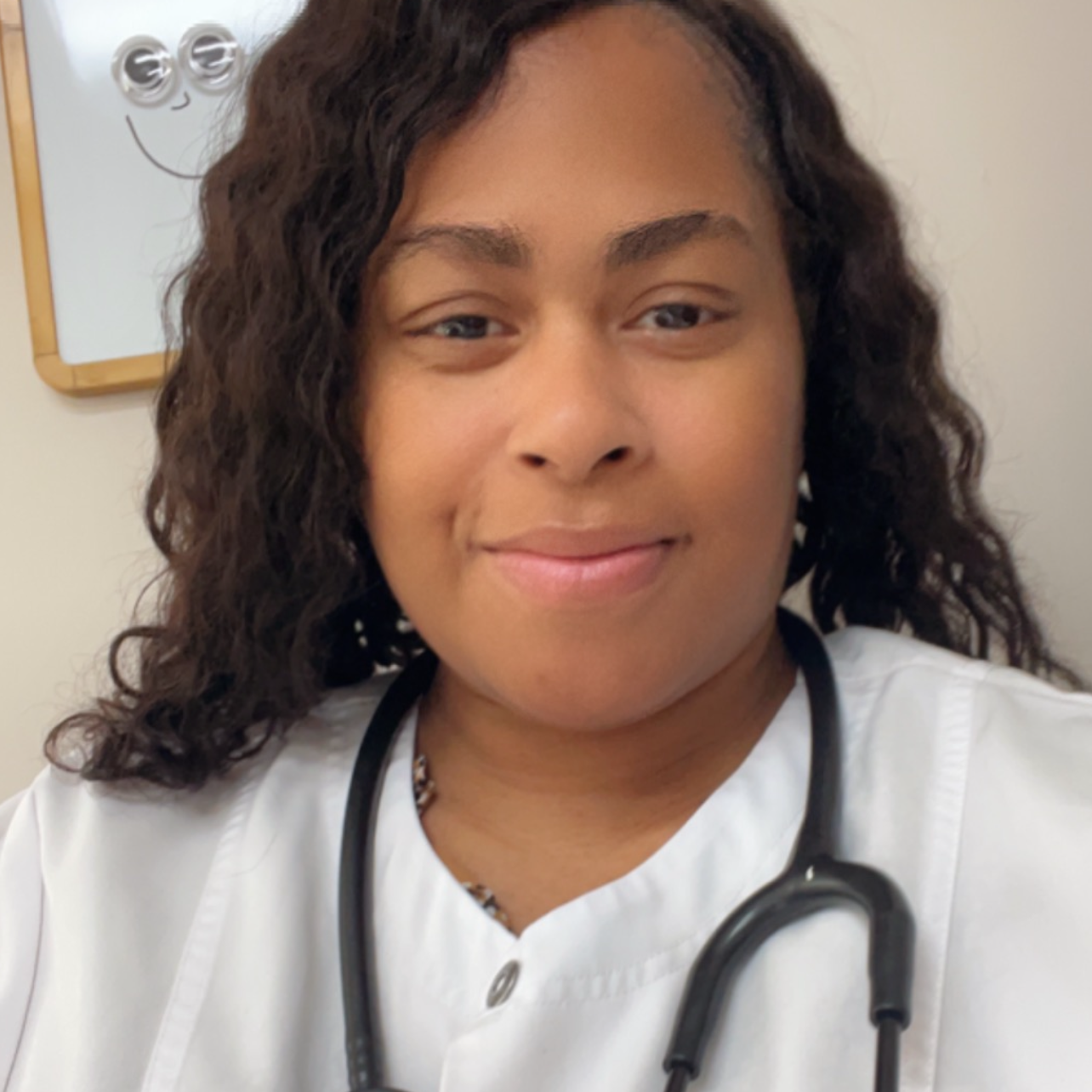
    Katrina Johnson, LISW

    ADHD, Addiction, Anxiety, Coping Skills, Depression, Domestic Violence, Grief, Military/Veterans, Trauma and PTSD

    27 years of experience

    GrowTherapy

    $21 avg cost per session with insurance

    See a therapist within 2 days

    Walker Edmondson, LMHC

    ADHD, Anxiety, Coping Skills, Couples Counseling, Depression, Family Therapy, Life Transitions, Men's Issues, Mood Disorders, Obsessive-Compulsive (OCD), Sex Addiction, Spirituality, Trauma and PTSD

    3 years of experience

    Awa Ndiaye, PMHNP

    ADHD, Anger Management, Anxiety, Coping Skills, Depression, Eating Disorders, Grief, Insomnia/Sleep Issues, Medication Management, Mood Disorders, Parenting, Self Esteem, Women's Issues

    4 years of experience

    Clarence Sherrod, LPCC

    Anger Management, Anxiety, Coping Skills, Depression, Grief, LGBTQ, Life Transitions, Personality Disorders, Racism, Self Esteem, Spirituality, Suicidal Ideation, Trauma and PTSD

    10 years of experience

    See more providers
    Don't see your clinic?
    Request to add!

    May Yang, LISW (she/her)

    Specialties

    Addiction

    Anger Management

    Coping Skills

    Depression

    Eating Disorders

    Anxiety

    Child or Adolescent

    ADHD

    Serves ages

    All

    6-12

    13-17

    18-64

    65+

    Licensed in

    MN

    MI

    TX

    OH

    About

    I have a decade of experience focusing on children, adolescents, adults, women, men focusing on depression, anxiety, work life balance, sexual health, sexual addictions, grief and loss, life transitions, domestic violence, eating disorders, abuse against children, relationship health, marriage counseling, pre-marriage counseling, trans gender issues and court mandated therapy services. THIS WORK is my life’s passion and it is a honor to be in this profession. I graduated summa cum laude from the University of Michigan with a degree in Interpersonal Practice and it is my life’s work to help you get to a place you want to be. I provide a safe, nurturing, and non-judgmental environment to help you overcome your past struggles and present barriers. I will guide you to help yourself to master the tools necessary to effectively navigate through the complexities of life with a new set lenses in order to help you reach your full potential.

    Katrina Johnson, LISW (she/her)

    Specialties

    ADHD

    Addiction

    Anxiety

    Coping Skills

    Depression

    Domestic Violence

    Grief

    Military/Veterans

    Trauma and PTSD

    Serves ages

    18-64

    65+

    Licensed in

    OH

    About

    Katrina Noble Johnson is a licensed independent clinical social worker and chemical dependency counselor with over 25 years of experience. She holds a Master's degree in Clinical Social Work from the University of Cincinnati. Katrina provides specialized mental health and addiction treatment to individuals, children, families, and diverse populations, including military personnel, the homeless, and the elderly. Additionally, she has volunteered for various community and religious organizations in her area.

    Walker Edmondson, LMHC (he/him)

    Specialties

    ADHD

    Anxiety

    Coping Skills

    Couples Counseling

    Depression

    Family Therapy

    Life Transitions

    Men's Issues

    Mood Disorders

    Obsessive-Compulsive (OCD)

    Sex Addiction

    Spirituality

    Trauma and PTSD

    Serves ages

    13-17

    18-64

    65+

    Licensed in

    FL

    AL

    OH

    About

    I specialize in working with individuals dealing with anxiety, sexual addiction, pornography addiction, and emotional pain from past experiences. My goal is to provide a safe, supportive environment where you can heal, regain control, and start living the full life you were meant to live. With a background as both a pastor and therapist, I bring a compassionate, understanding approach to therapy. I use evidence based, personalized strategies to help you overcome the issues you’re facing.

    Awa Ndiaye, PMHNP (she/her)

    Specialties

    ADHD

    Anger Management

    Anxiety

    Coping Skills

    Depression

    Eating Disorders

    Grief

    Insomnia/Sleep Issues

    Medication Management

    Mood Disorders

    Parenting

    Self Esteem

    Women's Issues

    Serves ages

    13-17

    18-64

    65+

    Licensed in

    OH

    WA

    AZ

    About

    I am a dual-board-certified family (FNP) and psychiatric nurse practitioner (PMHNP). I have over 15 years of excellent quality healthcare experience. I have worked in multiple settings: hospital, home care, primary care, psychiatry care clinics, insurance and hospice. My approach to mental health care is patient-centered, focusing on tailoring interventions to meet the unique needs of each individual. I integrate evidence-based practices with innovative strategies to support not only mental health but also emotional, physical, and social well-being. My primary goal as a provider is to relieve mental suffering associated with psychiatric disorders and improve mental well-being through a holistic approach. I include medications, therapy and other non-pharmacological approaches to ensure that your goals are met.

    Clarence Sherrod, LPCC (he/him)

    Specialties

    Anger Management

    Anxiety

    Coping Skills

    Depression

    Grief

    LGBTQ

    Life Transitions

    Personality Disorders

    Racism

    Self Esteem

    Spirituality

    Suicidal Ideation

    Trauma and PTSD

    Serves ages

    18-64

    Licensed in

    OH

    About

    Most say that I am down to earth and relatable. Building professional rapport is my greatest strength. I am as human as you are and make sure to demonstrate that in session. I often see parts of my own self in others that I work with. I was previously a high school teacher for 14 years before becoming a counselor. And, I’m still a teacher in this role as well. Sessions are geared towards giving you time to express yourself while assigning you “homework” in the form of development of skills to help manage your symptoms. I also throw in some humor and some cordial conversation to help with the development of professional rapport. I specialize in trauma-based therapy and have experience working with individuals who are diagnosed with depression, anxiety, grief, and some personality disorders. I provide a multi-cultural perspective to treatment and adjust treatment related to people’s cultural background. I also provide spiritual direction, which includes traditional forms of faith as well as alternative sources. I understand the courage it takes to come to therapy. It can be nerve racking when coming to your first session. As someone who has been through counseling myself, I respect the courage it takes to take that first step. Whether it’s me or another professional, I hope you are able to get the help you need.

    This site uses cookies to provide you with a great user experience. By using Solv, you accept our use of cookies.