Urgent care near me
 Post-Traumatic Stress Disorder (PTSD) is a mental health condition that arises after an individual experiences or witnesses a profoundly stressful or terrifying event, according to the National Institute of Mental Health (NIMH). They explain that the effects of PTSD can significantly impact various aspects of a person's life, including their emotional well-being, relationships, and daily functioning. In this article, we will explore how to locate a qualified PTSD therapist in your area, the importance of seeking help, and what to expect during the therapeutic process. Whether you are seeking support for yourself or a loved one, understanding the resources available can empower you to take the first step toward recovery.
PTSD therapy
PTSD is a mental health condition triggered by traumatic events, impacting emotional well-being, relationships, and daily life. Seeking qualified therapy can help individuals take the first step toward recovery and improved functioning.
PTSD affects emotional well-being and daily functioning.
Therapy helps address trauma and fosters recovery.
Resources empower individuals to seek professional support.

Who Needs PTSD Therapy?
Recognizing the need for PTSD therapy is essential for those who have experienced trauma, as early intervention can significantly improve recovery outcomes. While some individuals may seek help soon after a traumatic event, it is important to note that treatment can still be effective many years later. Some signs that indicate someone may benefit from seeing a PTSD specialist include:
Reliving Aspects of the Trauma
This may manifest as intrusive memories or flashbacks, where the individual feels as though they are experiencing the traumatic event all over again. These episodes can be distressing and disruptive to daily life.Heightened Alertness
Individuals may find themselves constantly on edge, feeling easily startled or overly vigilant. This heightened state of awareness can lead to fatigue and difficulty concentrating.Avoidance
Many people with PTSD may go out of their way to avoid places, people, or activities that remind them of the traumatic event. This avoidance can limit their social interactions and overall quality of life.Emotional Numbness
Some individuals may experience difficulty feeling emotions or connecting with others, leading to a sense of detachment from loved ones and everyday experiences.Sleep Disturbances
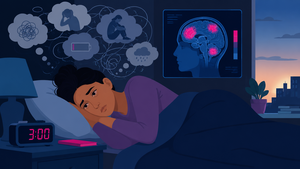
Trouble sleeping, nightmares, panic attacks, or insomnia can be common among those with PTSD, further exacerbating feelings of anxiety and distress.
When to seek professional help for PTSD
While some individuals may manage their symptoms independently, there are specific situations where reaching out to a mental health professional becomes essential. Indicators that it may be time to seek help include:
- Interference with Relationships: If PTSD symptoms are causing significant strain on personal or professional relationships, it may be time to consult a therapist. Difficulty connecting with loved ones or maintaining work responsibilities can signal the need for support.
- Self-Harming Thoughts or Thoughts of Hurting Others: Experiencing thoughts of self-harm or harming others is a serious concern and warrants immediate professional intervention. These thoughts can indicate a heightened emotional crisis that requires urgent care.
- Self-Destructive Coping Mechanisms: Relying on unhealthy habits, such as substance abuse, overeating, or other risky behaviors, to cope with PTSD symptoms can exacerbate the condition and lead to further complications. Seeking help can provide healthier coping strategies.
What are the treatments for PTSD?
The primary goals of treating PTSD are to alleviate symptoms, improve daily functioning, and help individuals regain a sense of control over their lives. Effective treatment often involves a combination of therapy and medication tailored to the individual's needs. Here are some common types of therapy used to treat PTSD, according to NIMH:
Finding therapy for PTSD near you
Finding the right therapy for PTSD can be a vital step toward healing, and there are various avenues to explore when seeking help. Individuals can start by searching for local therapists who specialize in trauma and PTSD through online directories, community mental health centers, or referrals from healthcare providers. Many therapists now offer online counseling options, providing flexibility and accessibility for those who may have difficulty attending in-person sessions. Additionally, there are therapy centers dedicated to emotional trauma therapy that offer comprehensive treatment programs, including group therapy and specialized workshops.
How to choose the right therapist for PTSD therapy
Selecting the right therapist is crucial for PTSD recovery. Consider these factors:
- Seek a therapist with expertise in trauma-focused therapies like EMDR or Prolonged Exposure.
- Ensure they provide a safe, supportive environment to discuss traumatic experiences.
- Verify their credentials and specialization in PTSD treatment.
- Consider therapists offering flexible scheduling, including online therapy options.
- Look for someone who fosters trust and collaboration to tailor treatment to your needs.
Choosing a skilled and empathetic professional can empower you to address trauma and reclaim your life.

Frequently Asked Questions
Understanding the therapeutic process and the role of professionals can empower individuals to seek the help they need. Here are answers to some of the most-asked questions regarding PTSD and treatment:
What do therapists do to treat PTSD?
Therapists employ various evidence-based approaches to treat PTSD, including talk therapy techniques such as Cognitive Behavioral Therapy (CBT), Prolonged Exposure Therapy, and EMDR. They work with clients to process traumatic experiences, develop coping strategies, and reframe negative thought patterns. Therapists also create a safe and supportive environment that encourages open dialogue about feelings and experiences.
Who can diagnose PTSD?
PTSD can be diagnosed by qualified mental health professionals, including psychologists, psychiatrists, and licensed clinical social workers. These professionals conduct thorough assessments, which may involve interviews and standardized questionnaires, to evaluate symptoms and determine if they meet the criteria outlined in the Diagnostic and Statistical Manual of Mental Disorders (DSM-5).
What is the most common treatment for PTSD?
The most common treatments for PTSD include trauma-focused therapies such as Cognitive Processing Therapy (CPT) and Prolonged Exposure Therapy. These approaches are designed to help individuals confront and process their traumatic memories, ultimately reducing distress and improving functioning. Additionally, medication may be prescribed to help manage symptoms in conjunction with therapy.
Is PTSD treatable with therapy?
Yes, PTSD is treatable with therapy. Many individuals experience significant improvement in their symptoms and overall quality of life through various therapeutic approaches. With the right support and treatment plan, individuals can learn to manage their symptoms, process their trauma, and move forward in their healing journey.

How we reviewed this article
Medically reviewed
View this article's sources and history, and read more about Solv's Content Mission Statement, editorial process, and editorial team.
5 sources
Solv has strict sourcing guidelines and relies on peer-reviewed studies, academic research institutions, and medical associations. We avoid using tertiary references.
- Clinician's guide to medications for PTSD. (December 2, 2024) https://www.ptsd.va.gov/professional/treat/txessentials/clinician_guide_meds.asp
- Coping with traumatic stress reactions. (December 2, 2024) https://www.ptsd.va.gov/gethelp/coping_stress_reactions.asp
- Helping a family member who has PTSD. (December 2, 2024) https://www.ptsd.va.gov/family/how_family_member.asp
- Post-traumatic stress disorder. (December 2, 2024) https://www.nimh.nih.gov/health/topics/post-traumatic-stress-disorder-ptsd
- What is posttraumatic stress disorder (PTSD)? (December 2, 2024) https://www.psychiatry.org/patients-families/ptsd/what-is-ptsd