Search your location

    Trauma-informed therapy

    Trauma-informed therapy helps individuals heal from emotional responses to distressing events like abuse, accidents, or loss. This approach emphasizes sensitivity and understanding, guiding individuals toward recovery, resilience, and improved quality of life.

    Trauma impacts mental, emotional, and physical well-being.

    Professionals offer sensitive and understanding therapeutic approaches.

    Therapy promotes recovery, resilience, and better quality of life.

    Trauma-informed therapy acknowledges the profound impact of trauma on an individual’s mental health, behavior, and relationships. This approach prioritizes understanding personal experiences and creating a safe, judgment-free environment that fosters trust and collaboration. By addressing emotional responses to distressing events, trauma-informed therapy empowers individuals to process their trauma, develop coping strategies, and rebuild resilience.

    Therapists use techniques like Cognitive Behavioral Therapy (CBT), Eye Movement Desensitization and Reprocessing (EMDR), and mindfulness practices to help clients regain emotional balance. This therapeutic approach not only aids recovery but also equips individuals with the tools to navigate life with renewed confidence and emotional strength.

    What is trauma informed therapy?

    Trauma-informed therapy is a therapeutic approach that recognizes the profound impact trauma can have on an individual's behavior, mental health, and overall ability to engage in treatment. Psychology Today explains that this type of therapy prioritizes understanding each person’s specific experiences and emotional responses, acknowledging that past traumas can influence their current thoughts, feelings, and interactions. By creating a safe and supportive environment, trauma-informed therapy allows individuals to explore their experiences without fear of judgment, fostering trust and collaboration between the therapist and the client. This understanding not only informs the therapeutic process but also empowers individuals to develop coping strategies and resilience, ultimately facilitating a more effective healing journey.


    Who needs trauma informed therapy?

    Who needs trauma informed therapy?

    Many people carry the weight of past experiences that can significantly affect their daily lives — and this trauma can manifest in various ways. Recognizing these signs is the first step toward seeking help. Below are several indicators that someone, including children, may need emotional trauma therapy, according to the CPTSD Foundation:

    • Flashbacks and Nightmares

      Individuals may experience intrusive memories or vivid flashbacks that relive traumatic events, as well as distressing nightmares that disrupt their sleep and daily functioning.
    • General Anxiety

      Persistent feelings of anxiety, fear, or unease can be a sign of unresolved trauma, making it difficult for individuals to manage stress and engage in everyday activities.
    • Addiction

      Some may turn to substances or unhealthy behaviors as a coping mechanism to numb emotional pain or escape from traumatic memories, indicating a need for therapeutic support.
    • Suicidal Thoughts

      Experiencing thoughts of self-harm or suicide can be a critical sign that someone is struggling with the effects of trauma and urgently requires professional help.

    Techniques used in trauma informed therapy

    Trauma-informed therapy employs a range of techniques and treatments designed to address the complex effects of trauma on an individual's mental and emotional health, according to the CPTSD Foundation. These methods prioritize safety, trust, and empowerment, helping clients navigate their healing journeys effectively. Below are some common treatments utilized in trauma-informed therapy:

  • Medication: In some cases, healthcare providers may prescribe medication to help manage symptoms related to trauma, such as anxiety, depression, or insomnia, allowing individuals to better engage in therapeutic processes.
  • Psychotherapy: Various forms of psychotherapy, including cognitive-behavioral therapy (CBT) and eye movement desensitization and reprocessing (EMDR), are frequently used to help individuals process traumatic experiences, challenge negative thought patterns, and develop healthier coping strategies.
  • When to seek trauma informed therapy?

    Many individuals may experience a range of emotional and psychological challenges following a traumatic event, and understanding when these challenges warrant professional intervention can significantly impact their healing journey. Below are some key indicators that suggest it may be time to seek help, as mentioned by the CPTSD Foundation:

    Nightmares

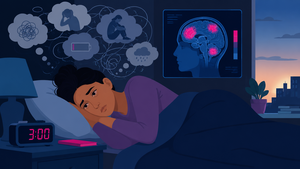
    Frequent nightmares or distressing dreams related to past trauma can disrupt sleep and contribute to anxiety, signaling the need for professional support.


    Example: Reliving a car accident in recurring, vivid dreams.

    Isolation

    Withdrawing from social interactions and isolating oneself from friends and family can indicate an inability to cope with trauma, highlighting the importance of seeking help to reconnect and heal.


    Example: Avoiding gatherings after experiencing a personal loss.

    Constant sadness

    Persistent feelings of sadness, hopelessness, or despair that interfere with daily life may suggest unresolved trauma, making it crucial to consult a mental health professional for guidance and support.


    Example: Feeling hopeless daily after a traumatic breakup.

    Finding trauma informed therapy near you

    Finding trauma-informed therapy services is a vital step toward healing, and there are various avenues you can use to explore and access this support. One effective way to begin is by searching for local therapists specializing in trauma therapy; many professionals list their services online, making it easier to find qualified practitioners in your area.

    Additionally, therapy centers that focus on trauma recovery often provide a range of services, including group therapy and workshops, which can be beneficial for those seeking community support. For those who prefer flexibility or may have difficulty accessing in-person services, online counseling options have become increasingly popular, offering virtual therapy sessions with licensed professionals.

    How to choose the right therapist to treat trauma

    Finding a therapist experienced in trauma-informed care is key to healing. Consider these tips:

    • Look for a therapist trained in trauma-specific modalities like EMDR or CBT.
    • Ensure they prioritize safety and create a judgment-free environment.
    • Check for licensure and specialization in trauma-related disorders.
    • Confirm they use a collaborative, patient-centered approach.
    • Explore online therapy if accessibility is an issue.
    • Verify insurance coverage or inquire about payment options.

    Selecting a compassionate and skilled therapist ensures a supportive path toward recovery and resilience.

    How to choose the right therapist to treat trauma

    FAQs

    • What do therapists do to treat trauma?

      Therapists utilize a variety of evidence-based techniques to help clients process and cope with their traumatic experiences. This may include establishing a safe and supportive environment, employing cognitive-behavioral strategies to challenge negative thoughts, and guiding clients through exposure techniques to confront and reframe their trauma.

    • Who can diagnose trauma therapy disorder?

      Licensed mental health professionals, such as psychologists, psychiatrists, and clinical social workers, are qualified to diagnose trauma-related disorders. They have the necessary training and expertise to conduct thorough assessments and determine the appropriate diagnosis based on the individual’s symptoms and history.

    • What is the most common treatment for trauma therapy?

      The most common treatments for trauma include cognitive-behavioral therapy (CBT) and eye movement desensitization and reprocessing (EMDR). Both therapies have been extensively researched and are recognized for their effectiveness in helping individuals process traumatic memories and reduce symptoms of distress.

    • What is the most common treatment for trauma therapy?

      Yes, trauma therapy is highly treatable through various therapeutic interventions. With the right support and treatment, individuals can learn to manage their symptoms, process their experiences, and ultimately work toward healing and recovery.

    Dr. Rob Rohatsch, MD, is a Board-Certified Emergency Medicine physician and urgent care executive. He earned his MD from Jefferson Medical College, currently serves on multiple boards and is Solv’s Chief Medical Officer.

    How we reviewed this article

    Medically reviewed

    View this article’s sources and history, and read more about Solv’s Content Mission Statement, editorial process, and editorial team.

    Sources

    3 sources

    Solv has strict sourcing guidelines and relies on peer-reviewed studies, academic research institutions, and medical associations. We avoid using tertiary references.

    3 sources

    Solv has strict sourcing guidelines and relies on peer-reviewed studies, academic research institutions, and medical associations. We avoid using tertiary references.

    Get started

    Book a mental health provider

    Hamutyinei Mamutse, PMHNP

    ADHD, Anger Management, Anxiety, Bipolar Disorder, Depression, Dissociative Disorders, Insomnia/Sleep Issues, Medication Management, Mood Disorders, Obsessive-Compulsive (OCD), Personality Disorders, Trauma and PTSD

    5 years of experience

    May Yang, LCSW

    Addiction, Anger Management, Coping Skills, Depression, Eating Disorders, Anxiety, Child or Adolescent, ADHD

    14 years of experience

    GrowTherapy

    $21 avg cost per session with insurance

    See a therapist within 2 days

    Katrina Johnson, LISW

    ADHD, Addiction, Anxiety, Coping Skills, Depression, Domestic Violence, Grief, Military/Veterans, Trauma and PTSD

    27 years of experience

    Helen Farrah Mcgrail, LISW

    ADHD, Anger Management, Bipolar Disorder, Coping Skills, Depression, Family Conflict, Family Therapy, Grief, Mood Disorders, Obsessive-Compulsive (OCD), Older Adults, Self Esteem, Trauma and PTSD

    37 years of experience

    Robert Kollar, PMHNP

    ADHD, Anger Management, Anxiety, Autism, Depression, Insomnia/Sleep Issues, Medication Management, Mood Disorders, Obsessive-Compulsive (OCD), Personality Disorders, Serious Mental Illness, Suicidal Ideation, Trauma and PTSD

    5 years of experience

    See more providers
    Don't see your clinic?
    Request to add!

    Hamutyinei Mamutse, PMHNP (he/him)

    Specialties

    ADHD

    Anger Management

    Anxiety

    Bipolar Disorder

    Depression

    Dissociative Disorders

    Insomnia/Sleep Issues

    Medication Management

    Mood Disorders

    Obsessive-Compulsive (OCD)

    Personality Disorders

    Trauma and PTSD

    Serves ages

    18-64

    Licensed in

    OH

    About

    My name is Harmony Mamutse. I am a Psychiatric Mental Health Nurse Practitioner-Board Certified (PMHNP-BC). I obtained my master’s degree in Psychiatric Mental Health Nurse Practice from Indiana Wesleyan University, Marion, Indiana. The role of Psychiatric Mental Health Practitioner is to assess, diagnose and treat the mental health needs of those suffering from mental health diseases. My training allows me to approach behavioral health problems in a comprehensive way, with the understanding that one has a story to tell about what he/she been through in life. I believe in building trusting relationships with my clients, empowering them to take an active role in their mental health journey I am licensed in Ohio to prescribe psychiatric medication across the lifespan. I currently treat clients 18 and above age group. I also offer individual psychotherapy.

    May Yang, LCSW (she/her)

    Specialties

    Addiction

    Anger Management

    Coping Skills

    Depression

    Eating Disorders

    Anxiety

    Child or Adolescent

    ADHD

    Serves ages

    All

    6-12

    13-17

    18-64

    65+

    Licensed in

    MN

    MI

    TX

    OH

    About

    I have a decade of experience focusing on children, adolescents, adults, women, men focusing on depression, anxiety, work life balance, sexual health, sexual addictions, grief and loss, life transitions, domestic violence, eating disorders, abuse against children, relationship health, marriage counseling, pre-marriage counseling, trans gender issues and court mandated therapy services. THIS WORK is my life’s passion and it is a honor to be in this profession. I graduated summa cum laude from the University of Michigan with a degree in Interpersonal Practice and it is my life’s work to help you get to a place you want to be. I provide a safe, nurturing, and non-judgmental environment to help you overcome your past struggles and present barriers. I will guide you to help yourself to master the tools necessary to effectively navigate through the complexities of life with a new set lenses in order to help you reach your full potential.

    Katrina Johnson, LISW (she/her)

    Specialties

    ADHD

    Addiction

    Anxiety

    Coping Skills

    Depression

    Domestic Violence

    Grief

    Military/Veterans

    Trauma and PTSD

    Serves ages

    18-64

    65+

    Licensed in

    OH

    About

    Katrina Noble Johnson is a licensed independent clinical social worker and chemical dependency counselor with over 25 years of experience. She holds a Master's degree in Clinical Social Work from the University of Cincinnati. Katrina provides specialized mental health and addiction treatment to individuals, children, families, and diverse populations, including the homeless, those managing addictions, and the aging. Katrina has volunteered for various community and religious organizations in the area. She holds a Master's degree in Clinical Social Work from the University of Cincinnati. Katrina provides specialized mental health and addiction treatment to individuals, children, families, and diverse populations, including the homeless, those managing addictions, and the aging. Katrina has volunteered for various community and religious organizations in the area.

    Helen Farrah Mcgrail, LISW (she/her)

    Specialties

    ADHD

    Anger Management

    Bipolar Disorder

    Coping Skills

    Depression

    Family Conflict

    Family Therapy

    Grief

    Mood Disorders

    Obsessive-Compulsive (OCD)

    Older Adults

    Self Esteem

    Trauma and PTSD

    Serves ages

    All

    6-12

    13-17

    18-64

    65+

    Licensed in

    OH

    WV

    About

    Hi! My name is Helen Farrah-McGrail and I am a licensed clinical social worker and therapist (LICSW) with three decades of professional work experience. I received my master's degree at the University of Pittsburgh. I have experience in helping clients with depression, anxiety, and stress. I also have had the pleasure of treating older adults with a myriad of issues related to aging. I believe that you are the expert of your story and that you have many strengths that will assist you in overcoming things that challenge you. Taking the first step to sign up for therapy can take courage and I am proud of you for getting started!

    Robert Kollar, PMHNP (he/him)

    Specialties

    ADHD

    Anger Management

    Anxiety

    Autism

    Depression

    Insomnia/Sleep Issues

    Medication Management

    Mood Disorders

    Obsessive-Compulsive (OCD)

    Personality Disorders

    Serious Mental Illness

    Suicidal Ideation

    Trauma and PTSD

    Serves ages

    18-64

    Licensed in

    OH

    About

    Think of me as your partner in this journey. We'll be a team, working together to understand your needs and create a plan that feels right for you. You'll always have a say in your care, and we'll make sure every step is transparent, with choices you feel good about. Over the years, I've had the privilege of working in many different healthcare settings, from the fast-paced world of critical care and the ER to the more intimate spaces of therapy and community health. This rich background has given me a deep understanding of people's unique challenges. I'm always learning and growing, pursuing my doctorate and seeking out the latest advancements in psychiatric care. My goal is to use this knowledge and experience to help you achieve the best possible outcomes.

    This site uses cookies to provide you with a great user experience. By using Solv, you accept our use of cookies.