OCD treatment

    Obsessive-Compulsive Disorder (OCD) involves intrusive thoughts and repetitive behaviors that create significant distress. Professional support is essential for effective management and improved well-being.

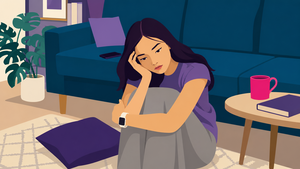
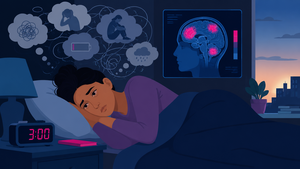
    Intrusive thoughts often trigger compulsive, repetitive behaviors.

    Compulsive actions aim to alleviate anxiety and distress.

    Professional therapy provides guidance for managing OCD effectively.

    Many individuals grapple with the challenges posed by Obsessive-Compulsive Disorder (OCD) — a long-lasting mental health condition characterized by uncontrollable and recurring thoughts (known as obsessions). According to Johns Hopkins, these intrusive thoughts often lead to the performance of compulsive behaviors — repetitive actions that individuals feel compelled to carry out in order to alleviate the anxiety associated with their obsessions. Finding the right support is crucial for managing OCD effectively, and this article aims to guide you in locating qualified OCD therapists in your area. Whether you are seeking help for yourself or a loved one, understanding the importance of professional guidance can be the first step towards reclaiming control and improving overall well-being.

    What causes obsessive-compulsive disorder (OCD)?

    The exact causes of Obsessive-Compulsive Disorder (OCD) remain unclear. Yet, research from the National Institute of Mental Health (NIMH) suggests that a combination of genetic, neurological, behavioral, and environmental factors may contribute to its development. Individuals with a family history of OCD or other anxiety disorders may be at a higher risk, indicating a potential genetic link. Neurological studies have shown that imbalances in certain brain chemicals, such as serotonin, may play a role in the disorder.

    Additionally, specific behavioral patterns, such as a tendency to overestimate threats or a heightened need for control, can increase vulnerability to OCD. Environmental factors, including traumatic experiences or significant life changes, may also trigger the onset of symptoms. Ultimately, while the precise causes are still being explored, understanding these risk factors can help in recognizing and addressing OCD early on.


    What are the main symptoms of OCD?

    What are the main symptoms of OCD?

    Understanding the main symptoms of Obsessive-Compulsive Disorder (OCD) is essential for recognizing the condition and seeking appropriate help. The NIMH notes that individuals with OCD often experience obsessions, which are intrusive thoughts or fears that can feel overwhelming and irrational. These obsessions typically revolve around unrealistic fears, leading to compulsive behaviors aimed at alleviating the associated anxiety. Below are some common symptoms of OCD, according to the NIMH:

    • Strong fixation with dirt or germs

      Many individuals with OCD may have an intense fear of contamination, leading them to obsessively clean or avoid situations they perceive as dirty.
    • Idea fixation

      This symptom involves a persistent preoccupation with specific thoughts or ideas that can disrupt daily life, making it difficult for individuals to focus on other tasks.
    • Repeated doubts

      Individuals often experience recurring doubts about whether they have completed certain tasks, such as turning off the stove or locking the door, leading to compulsive checking behaviors to reassure themselves.

    3 treatments for OCD

    Effective treatment for Obsessive-Compulsive Disorder (OCD) is crucial for managing symptoms and improving quality of life. The NIMH notes that a combination of therapeutic approaches and, in some cases, medication can help individuals regain control over their thoughts and behaviors. Below are the main treatments commonly used for OCD:

    Cognitive Behavioral Therapy (CBT)

    This evidence-based therapy focuses on identifying and challenging negative thought patterns, helping individuals develop healthier ways of thinking and responding to their obsessions.


    Example: Reframing obsessive thoughts to reduce compulsive behavior triggers.

    Medication

    Antidepressants, particularly selective serotonin reuptake inhibitors (SSRIs), are often prescribed to help balance brain chemicals associated with mood and anxiety, thereby reducing OCD symptoms.


    Example: Taking SSRIs like fluoxetine to manage intrusive thoughts.

    Exposure Therapy

    A specific type of CBT, exposure therapy involves gradually exposing individuals to their fears in a controlled environment. This process helps them confront their anxieties without resorting to compulsive behaviors, ultimately reducing the power of their obsessions.


    Example: Touching a feared object without performing a compulsion.

    When is it time to seek treatment for OCD?

    Johns Hopkins explains that individuals should consider professional help if they find themselves spending an hour or more each day preoccupied with their symptoms, as this level of distraction can significantly impact daily functioning. Additionally, if OCD symptoms are disrupting important aspects of life—such as work, relationships, or personal well-being—it is essential to reach out for support. Early intervention can lead to more effective management of the disorder, helping individuals navigate their challenges and improve their overall quality of life.

    Finding an OCD therapist near you

    Finding the right therapy services for Obsessive-Compulsive Disorder (OCD) is a vital step in the journey toward recovery. Individuals can start by searching for local therapists who specialize in OCD and related anxiety disorders, as many mental health professionals have experience in evidence-based treatments such as Cognitive Behavioral Therapy (CBT).

    Online counseling options have also become increasingly popular, providing flexibility and access to qualified therapists from the comfort of home. Additionally, therapy centers that specialize in OCD treatment often offer comprehensive programs and resources tailored to meet the unique needs of individuals struggling with this disorder.

    How to choose the right therapist to treat OCD

    Choosing a therapist for OCD treatment involves finding someone experienced in evidence-based approaches like Cognitive Behavioral Therapy (CBT) and Exposure and Response Prevention (ERP). Look for a professional who has specialized training in OCD and a track record of success with clients facing similar challenges. Consider their communication style and your comfort level during initial consultations to ensure a good therapeutic match.

    • Verify expertise in OCD treatment, especially ERP and CBT techniques.
    • Ensure they are licensed and experienced in treating anxiety disorders.
    • Ask about success rates or client feedback on OCD-specific therapies.
    • Look for availability for consistent sessions, either in person or online.
    • Choose someone who fosters a non-judgmental, supportive therapeutic environment.

    A personalized approach that adapts to your unique needs and symptoms can make all the difference in managing OCD effectively.

    How to choose the right therapist to treat OCD

    Frequently Asked Questions

    • Is OCD Genetic?

      While the exact cause of Obsessive-Compulsive Disorder (OCD) is not fully understood, NIMH research suggests that genetics can play a role in its development. Individuals with a family history of OCD or other anxiety disorders may have a higher risk of developing the condition, indicating a potential genetic predisposition. However, environmental factors and personal experiences also contribute to the onset of OCD.

    • Can OCD be cured?

      Currently, there is no definitive cure for Obsessive-Compulsive Disorder (OCD), according to the NIMH — but it can be effectively managed with appropriate treatment. Many individuals experience significant improvement in their symptoms through therapy and medication. With ongoing support and coping strategies, many people with OCD can lead fulfilling lives.

    • How is OCD treated?

      OCD is typically treated through a combination of Cognitive Behavioral Therapy (CBT), particularly exposure and response prevention (ERP), and medication such as selective serotonin reuptake inhibitors (SSRIs). These treatments aim to help individuals manage their obsessions and compulsions, reduce anxiety, and improve overall functioning. In some cases, therapy centers that specialize in OCD may offer comprehensive programs tailored to individual needs.

    • What is exposure and response prevention therapy (ERP)?

      ERP is a type of CBT where individuals are gradually exposed to anxiety-provoking stimuli while refraining from engaging in compulsive behaviors, helping them break the cycle of obsessions and compulsions.

    • Can children develop OCD?

      Yes, OCD can affect children and adolescents, often emerging during childhood or adolescence. Early diagnosis and treatment are crucial to prevent symptoms from interfering with development and daily life.

    • What are common OCD triggers?

      Common triggers include stress, major life changes, illness, or environmental factors that exacerbate obsessive thoughts or compulsive behaviors. Identifying triggers can help tailor effective treatment strategies.

    • How long does OCD treatment take?

      The duration of treatment varies by individual. Some see significant improvement within months of starting therapy and medication, while others require long-term support to manage symptoms effectively.

    Dr. Rob Rohatsch, MD

    Dr. Rob Rohatsch, MD, is a Board-Certified Emergency Medicine physician and urgent care executive. He earned his MD from Jefferson Medical College, currently serves on multiple boards and is Solv’s Chief Medical Officer.

    How we reviewed this article

    Medically reviewed

    View this article's sources and history, and read more about Solv's Content Mission Statement, editorial process, and editorial team.

    6 sources

    Solv has strict sourcing guidelines and relies on peer-reviewed studies, academic research institutions, and medical associations. We avoid using tertiary references.

    Get started

    Book a mental health provider

    Sheree Starr, PMHNP

    Sheree Starr, PMHNP

    ADHD, Addiction, Anger Management, Anxiety, Bipolar Disorder, Coping Skills, Depression, Domestic Violence, Eating Disorders, Family Therapy, Personality Disorders, Trauma and PTSD

    3 years of experience

    Katrina Johnson, LISW

    Katrina Johnson, LISW

    ADHD, Addiction, Anxiety, Coping Skills, Depression, Domestic Violence, Grief, Military/Veterans, Trauma and PTSD

    27 years of experience

    GrowTherapy

    GrowTherapy

    $21 avg cost per session with insurance

    See a therapist within 2 days

    Paul Bruce, LPCC

    Paul Bruce, LPCC

    ADHD, Addiction, Anger Management, Anxiety, Coping Skills, Depression, Grief, Men's Issues, Military/Veterans, Phobias, Self Esteem, Spirituality, Trauma and PTSD

    16 years of experience

    Hamutyinei Mamutse, PMHNP

    Hamutyinei Mamutse, PMHNP

    ADHD, Anger Management, Anxiety, Bipolar Disorder, Depression, Dissociative Disorders, Insomnia/Sleep Issues, Medication Management, Mood Disorders, Obsessive-Compulsive (OCD), Personality Disorders, Trauma and PTSD

    6 years of experience

    Robert Egbert, LISW

    Robert Egbert, LISW

    ADHD, Anxiety, Couples Counseling

    15 years of experience

    See more providers
    Don't see your clinic?
    Request to add!
    Sheree Starr, PMHNP (she/her)

    Sheree Starr, PMHNP (she/her)

    Specialties

    ADHD

    Addiction

    Anger Management

    Anxiety

    Bipolar Disorder

    Coping Skills

    Depression

    Domestic Violence

    Eating Disorders

    Family Therapy

    Personality Disorders

    Trauma and PTSD

    Serves ages

    18-64

    Licensed in

    OH

    AZ

    About

    Im a PMHNP and my role is dedicated to providing care to individual across the lifespan facing mental health challenges. My goal is to help you navigate challenges and improve your overall quality of life. Joining you to support your mental health and well being. Providing comprehensive care by assessing your mental health needs, offering therapy and prescribing medications when clinically appropriate.

    Address

    25000 Euclid Ave Suite 206, Euclid, OH, 44117

    Katrina Johnson, LISW (she/her)

    Katrina Johnson, LISW (she/her)

    Specialties

    ADHD

    Addiction

    Anxiety

    Coping Skills

    Depression

    Domestic Violence

    Grief

    Military/Veterans

    Trauma and PTSD

    Serves ages

    18-64

    65+

    Licensed in

    OH

    About

    Katrina Noble Johnson is a licensed independent clinical social worker and chemical dependency counselor with over 25 years of experience. She holds a Master's degree in Clinical Social Work from the University of Cincinnati. Katrina provides specialized mental health and addiction treatment to individuals, children, families, and diverse populations, including military personnel, the homeless, and the elderly. Additionally, she has volunteered for various community and religious organizations in her area.

    Paul Bruce, LPCC (he/him)

    Paul Bruce, LPCC (he/him)

    Specialties

    ADHD

    Addiction

    Anger Management

    Anxiety

    Coping Skills

    Depression

    Grief

    Men's Issues

    Military/Veterans

    Phobias

    Self Esteem

    Spirituality

    Trauma and PTSD

    Serves ages

    18-64

    Licensed in

    OH

    About

    Veterans and adults facing life altering internal struggles.... you're here to find solutions. You’re here because something in your life feels heavy, confusing, or out of control and you’re ready for things to change. Whether it’s trauma, anxiety, depression, substance abuse, poor anger skills, stress, overthinking, low confidence, or a mix of all of them, you don’t have to keep carrying this burden alone. These issues are common, but they’re also beatable when you have the right support and a clear plan forward. I’ve worked with thousands of clients who felt stuck in self‑defeating beliefs, guilt, shame, or old patterns that drained the joy out of life. What I’ve learned is simple: when you reconnect with Hope, Purpose, and the strengths you’ve forgotten you have, things start to shift fast. You’re not broken; you’re overwhelmed. And overwhelmed people need support, not judgment. I’m here to listen without judgment, help you make sense of what you’re facing, and guide you toward healthier perspectives that actually work in real life. I’m Christian‑friendly for clients who want it, and fully comfortable with secular therapy for those who don’t. My job is to meet you where you are, not push you into a box. I’m also a huge Ohio State Buckeyes fan. I’ll gladly work with Michigan fans too… but I can’t promise the same level of nonjudgmental neutrality I offer everyone else. :) And if you’re into grilling, I might even share a few Blackstone secrets along the way. Therapy doesn’t have to feel stiff — we can be real humans in the room together.

    Hamutyinei Mamutse, PMHNP (he/him)

    Hamutyinei Mamutse, PMHNP (he/him)

    Specialties

    ADHD

    Anger Management

    Anxiety

    Bipolar Disorder

    Depression

    Dissociative Disorders

    Insomnia/Sleep Issues

    Medication Management

    Mood Disorders

    Obsessive-Compulsive (OCD)

    Personality Disorders

    Trauma and PTSD

    Serves ages

    18-64

    Licensed in

    OH

    About

    My name is Harmony Mamutse. I am a Psychiatric Mental Health Nurse Practitioner-Board Certified (PMHNP-BC). I obtained my master’s degree in Psychiatric Mental Health Nurse Practice from Indiana Wesleyan University, Marion, Indiana. The role of Psychiatric Mental Health Practitioner is to assess, diagnose and treat the mental health needs of those suffering from mental health diseases. My training allows me to approach behavioral health problems in a comprehensive way, with the understanding that one has a story to tell about what he/she been through in life. I believe in building trusting relationships with my clients, empowering them to take an active role in their mental health journey I am licensed in Ohio to prescribe psychiatric medication across the lifespan. I currently treat clients 18 and above age group. I also offer individual psychotherapy.

    Robert Egbert, LISW (he/him)

    Robert Egbert, LISW (he/him)

    Specialties

    ADHD

    Anxiety

    Couples Counseling

    Serves ages

    18-64

    65+

    Licensed in

    OH

    About

    I am a social worker who has done therapy for 15 years. I work mainly with anxious and depressed adult clients, adult clients with ADHD, and adult clients with addiction including porn issues. I often work with couples having relationship issues or individuals in a relationship who want to discuss their relationship. Often relationships with other people and job stress comes up. Past trauma and its effects also frequently comes up.

    This site uses cookies to provide you with a great user experience. By using Solv, you accept our use of cookies.