Urgent care near me
 Key points
- Chest tightness, even if occasional, should not be ignored as it could signal serious health conditions.
- The sensation of chest tightness varies among individuals and can be caused by stress, anxiety, asthma, acid reflux, or heart problems.
- Chest tightness accompanied by pain spreading to the arm, jaw, or back, severe shortness of breath, or persistent chest pressure could indicate a heart attack.
- It's important to consult a healthcare provider for chest tightness rather than self-diagnosing, as symptoms can overlap between different health conditions.

Chest tightness can be a scary feeling, and while it doesn’t always signal something serious, it’s not something you should brush off, especially if it keeps happening, even occasionally.
Chest tightness is more common than you might think and can be caused by a range of issues, from something as simple as stress or anxiety to more serious conditions like asthma, acid reflux, or even heart problems. But just because it comes and goes doesn’t automatically mean it’s harmless; your body could be trying to send you an early warning sign. Paying attention to when it happens, how long it lasts, and what other symptoms show up can help your doctor figure out what’s going on before it becomes a bigger concern.
What occasional chest tightness might feel like
Occasional chest tightness can feel different for everyone, but there are a few common sensations people often describe, according to the American Heart Association (AHA). They explain that you might notice a pressure or squeezing feeling in your chest, a dull ache or mild discomfort, or a sense that it’s harder to take a full breath. Some people feel tightness that comes and goes without warning, while others might notice it only during certain activities or when feeling stressed. It’s important to remember that symptoms can vary widely from person to person; what feels like a minor annoyance for one person could be more intense or alarming for someone else. No matter how it shows up, it’s worth paying attention to and talking to a healthcare provider if it keeps happening.
Common causes of chest tightness
Chest tightness can have many possible causes, and figuring out the root cause can be tricky since different issues can feel similar:
- Some causes are heart-related, according to the AHA, like angina (reduced blood flow to the heart), a heart attack, or inflammation around the heart called pericarditis.
- Lung issues such as asthma, pneumonia, or a pulmonary embolism (a blood clot in the lungs) can also lead to chest discomfort.
- Sometimes the digestive system is to blame, according to the National Institute of Health; conditions like acid reflux (GERD) or esophageal spasms can cause a burning or squeezing feeling in your chest.
- Chest tightness might even come from the muscles and bones in your chest, according to the AHA, like strained muscles or inflammation of the cartilage between your ribs (costochondritis).
- Mental health also plays a big role; panic attacks and anxiety can mimic heart symptoms, including tightness, rapid heartbeat, and shortness of breath.
No matter the cause, it's always best to get checked if the feeling is new, unusual, or keeps coming back.
When chest tightness is an emergency
While not every episode of chest tightness means something life-threatening, there are certain warning signs that you should never ignore, according to the AHA:
- If the tightness comes with pain that spreads to your arm, jaw, or back, or if you suddenly feel sweaty, nauseated, lightheaded, or extremely tired, it could be a sign of a heart attack.
- Severe shortness of breath, fainting, or chest pressure that doesn’t go away are also serious red flags.
In these situations, don’t wait to see if it passes; call 911 or go to the nearest emergency room right away. It’s always better to be safe and get checked out than to risk waiting too long when every minute counts.
When to go to urgent care for chest tightness
If your chest tightness feels mild or moderate and isn’t happening during physical activity, urgent care may be a good place to start. It’s especially helpful if you think the discomfort might be related to anxiety, acid reflux, or another non-emergency issue, but you still want answers. Urgent care clinics can perform quick evaluations, run tests like EKGs to check your heart rhythm, and refer you to a specialist if needed. Even if it turns out to be something minor, getting checked can give you peace of mind and help you manage symptoms more confidently. Don’t hesitate to get checked out; when it comes to your heart and lungs, it’s always worth playing it safe.
Don’t self-diagnose: Why follow-up matters
It can be tempting to brush off chest tightness or try to figure it out on your own, but symptoms like these often overlap between the heart, lungs, stomach, muscles, and even mental health. What feels like heartburn could actually be a heart issue, or vice versa, and it’s not always easy to tell the difference without medical help. That’s why following up with a healthcare provider is so important. They can use tools like an EKG, blood tests, or imaging to get a clearer picture of what’s going on and make sure you get the right treatment. Trying to self-diagnose can lead to unnecessary worry, or worse, missed warning signs, so it’s always best to let a professional sort it out.
Feeling chest tightness? Don’t wait, get checked today
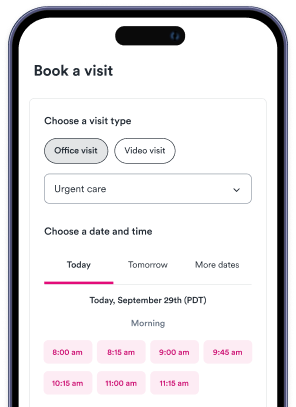
Whether it’s mild discomfort or something that keeps coming back, chest tightness is always worth checking out. Use Solv to book a same-day visit at a nearby urgent care center, because getting answers now can bring peace of mind or the early care you need.
Frequently asked questions
Why should I not ignore occasional chest tightness?
Chest tightness, even if it occurs occasionally, should not be ignored because it could be a sign of a more serious condition. It could be caused by stress or anxiety, or more serious conditions like asthma, acid reflux, or even heart problems. Your body could be trying to send you an early warning sign.
What are some common causes of chest tightness?
Chest tightness can be caused by a variety of issues. Some causes are heart-related, such as angina, a heart attack, or inflammation around the heart. Lung issues such as asthma, pneumonia, or a pulmonary embolism can also cause chest discomfort. Sometimes, the digestive system is to blame with conditions like acid reflux or esophageal spasms. Chest tightness might even come from the muscles and bones in your chest, like strained muscles or inflammation of the cartilage between your ribs. Mental health also plays a big role; panic attacks and anxiety can mimic heart symptoms, including tightness, rapid heartbeat, and shortness of breath.
When should I consider chest tightness as an emergency?
Chest tightness should be considered an emergency if it comes with pain that spreads to your arm, jaw, or back, or if you suddenly feel sweaty, nauseated, lightheaded, or extremely tired, as these could be signs of a heart attack. Severe shortness of breath, fainting, or chest pressure that doesn’t go away are also serious red flags. In these situations, you should call 911 or go to the nearest emergency room right away.
When should I go to urgent care for chest tightness?
If your chest tightness is mild or moderate and isn’t happening during physical activity, urgent care may be a good place to start. It’s especially helpful if you think the discomfort might be related to anxiety, acid reflux, or another non-emergency issue, but you still want answers. Urgent care clinics can perform quick evaluations, run tests like EKGs to check your heart rhythm, and refer you to a specialist if needed.
Why is it important to follow up with a healthcare provider for chest tightness?
It's important to follow up with a healthcare provider because symptoms like chest tightness often overlap between the heart, lungs, stomach, muscles, and even mental health. What feels like heartburn could actually be a heart issue, or vice versa, and it’s not always easy to tell the difference without medical help. Healthcare providers can use tools like an EKG, blood tests, or imaging to get a clearer picture of what’s going on and make sure you get the right treatment. Trying to self-diagnose can lead to unnecessary worry, or worse, missed warning signs.

Dr. Linda Halbrook is a Board-Certified Family Medicine physician with over 40 years of experience, dedicated to providing comprehensive care to patients across Texas. She retired from practice but currently serves on the Clinical Services Committee of CommonGood Medical, a non-profit organization serving the uninsured in Collin County.
How we reviewed this article
Medically reviewed
View this article's sources and history, and read more about Solv's Content Mission Statement, editorial process, and editorial team.
4 sources
Solv has strict sourcing guidelines and relies on peer-reviewed studies, academic research institutions, and medical associations. We avoid using tertiary references.
- Chest Pain. (August 9, 2025)
- Intermittent chest pain. (August 9, 2025)
- Non-cardiac chest pain. (August 9, 2025)
- Chest Pain. (August 9, 2025)
Solv’s team of medical writers and experts review and update our articles when new information becomes available.
February 27 2026
Written by Solv Editorial Team
Medically reviewed by: Dr. Rob Rohatsch, MD
May 06 2026
Edited by Solv Editorial Team
May 23 2026
Edited by Solv Editorial Team
May 27 2026
Edited by Solv Editorial Team
June 03 2026
Edited by Solv Editorial Team